1120 reit-2026

Get Form
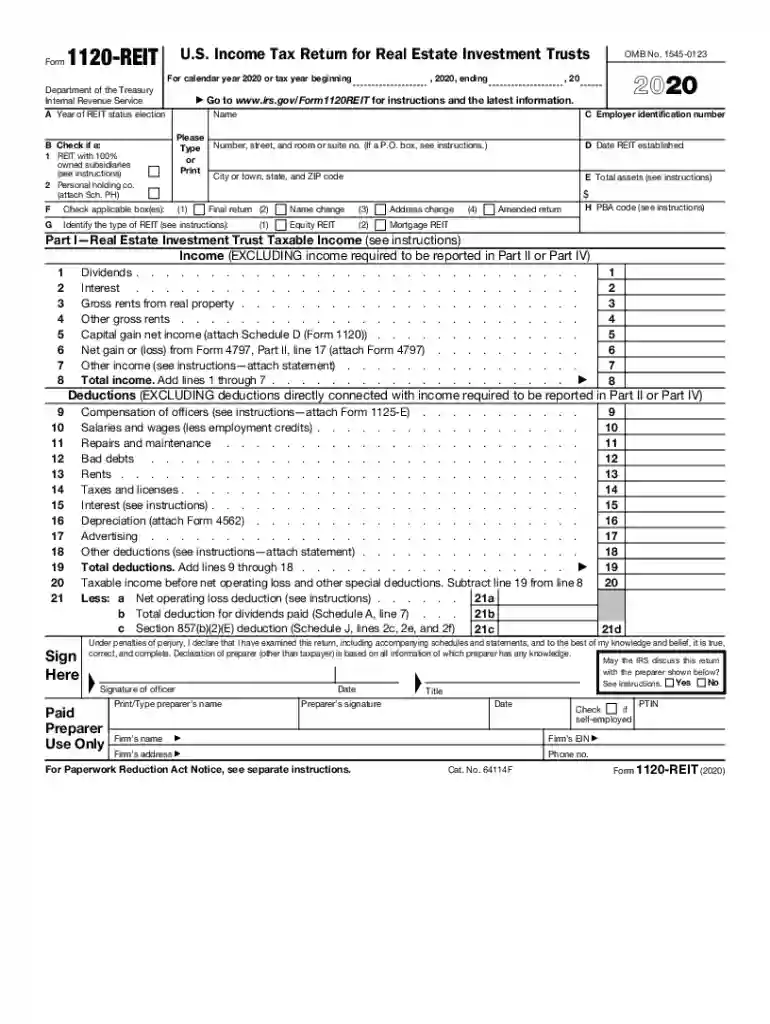
1120 reit Preview on Page 1

Here's how it works

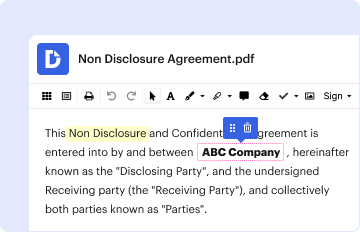
01. Edit your 1120 reit online
Type text, add images, blackout confidential details, add comments, highlights and more.

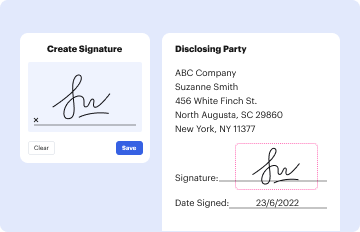
02. Sign it in a few clicks
Draw your signature, type it, upload its image, or use your mobile device as a signature pad.

03. Share your form with others
Send 1120 reit instructions via email, link, or fax. You can also download it, export it or print it out.

Definition and Purpose of Form 1120-REIT

Form 1120-REIT is the U.S. Income Tax Return for Real Estate Investment Trusts. This specialized tax form is required for entities that qualify as a REIT under the Internal Revenue Code. A REIT is a company that owns, operates, or finances income-producing real estate while adhering to certain regulatory requirements. The primary purpose of this form is to report income, deductions, and taxes related to activities in real estate investment.

Key features of Form 1120-REIT include:

  • Reporting requirements for real estate assets, income sources, and operational costs.
  • Provisions for dividend deductions, which are vital for REITs as they must distribute at least ninety percent of their taxable income to shareholders to maintain their tax-exempt status.
  • Detailed sections on specific tax computations, such as taxes on income from prohibited transactions and net income from foreclosure properties.

Proper completion of Form 1120-REIT is essential for compliance with federal tax laws, ensuring that the entity meets REIT structural and taxation guidelines.

Step-by-Step Process for Completing Form 1120-REIT

Filing Form 1120-REIT involves several steps that require careful attention to detail to ensure compliance with IRS regulations. Adhering to the following process can aid in the efficient completion of the form:

  1. Gather Relevant Documentation: Start by collecting all necessary financial statements, including income records, expense documentation, and prior tax returns. Ensure you have information on all real estate properties owned and operated.

  2. Complete Header Information: Fill out the top section of the form with your REIT's name, address, and Employer Identification Number (EIN). It is crucial to ensure that this information matches IRS records.

  3. Calculate Net Income: Report total income from all operations related to your REIT activities, including rental income, property sales, and other revenue streams. Deductions for operational expenses should follow to arrive at the taxable income.

  4. Fill Out Relevant Schedules: Use the appropriate schedules that apply to your REIT. This might include Schedule A for income and deductions or Schedule B for additional tax calculations. Each schedule has specific instructions that must be followed accurately.

  5. Review Dividend Deductions: Calculate and report any dividend distributions made to shareholders. As REITs must distribute at least ninety percent of their taxable income, accurate reporting of dividends is critical.

  6. Final Review and Submission: Before submitting, review the entire form for accuracy. Make any necessary adjustments to ensure compliance. The completed form can be submitted electronically through authorized e-file providers or mailed directly to the IRS.

Important Terms Related to Form 1120-REIT

Understanding key terminologies associated with Form 1120-REIT can help clarify its requirements and compliance obligations. Key terms include:

  • Qualified REIT Assets: Real estate assets that qualify a corporation to be considered a REIT. These include rental properties, mortgages, and securities of other REITs.

  • Dividend Deduction: A provision that allows a REIT to deduct dividends paid to shareholders from its taxable income, thus directly impacting its tax obligations.

  • Taxable Income: The income a REIT reports after deductions and adjustments. It is a critical figure that influences the entity's tax responsibilities and shareholder distributions.

  • Foreclosure Property Income: Income derived from properties that the REIT has acquired through foreclosure, subject to specific tax treatments.

These terms are foundational to understanding the filing process and ensuring compliance with IRS regulations regarding REIT operations.

Filing Deadlines for Form 1120-REIT

Adhering to filing deadlines for Form 1120-REIT is essential for maintaining compliance and avoiding penalties. The following timelines are important to note:

  • Due Date for the Form: Form 1120-REIT is typically due on the fifteenth day of the third month after the end of the entity's tax year. For entities operating on a calendar year, this would be March 15.

  • Extended Deadline: REITs can apply for an automatic six-month extension to file the return, pushing the deadline to September 15 for calendar year filers. This extension does not apply to any tax owed, which is still due by the original filing date.

  • Additional Considerations for State Filings: Depending on the state in which the REIT operates, there may be additional filing requirements or deadlines to consider. It is advisable to consult state-specific regulations for timely compliance.

Understanding these deadlines helps ensure that REITs avoid late penalties and maintain good standing with tax authorities.

Key Elements of Form 1120-REIT and Its Sections

Form 1120-REIT contains several key sections that each serve a specific function in the reporting process. Understanding these sections can enhance accuracy in filing:

  • Income Section: This section captures all revenue sources, including rents, sale proceeds, and other investments related to real estate properties. Accurate documentation of income is critical for the REIT's tax calculations.

  • Deductions Section: This portion allows for reporting operational costs incurred in property management, marketing, and repairs. Deductions can significantly affect the overall taxable income of the REIT.

  • Dividend Deduction Calculation: This section details the calculation of dividends distributed to shareholders. It includes necessary documentation that determines if the REIT meets the minimum distribution requirements.

  • Tax Computation Section: This part is used for calculating any applicable taxes owed based on net taxable income after accounting for all deductions and adjustments relevant to REIT regulations.

Thorough understanding and accurate completion of these elements are vital for fulfilling the requirements of Form 1120-REIT.

Legal Use and Compliance Considerations for Form 1120-REIT

Legal compliance when filing Form 1120-REIT is essential for maintaining a REIT's status and avoiding penalties. This involves understanding IRS regulations governing REITs and adhering to their specific operational requirements:

  • Qualification as a REIT: To qualify as a REIT, an entity must meet specific guidelines outlined by the Internal Revenue Code, including asset and income tests. Failure to meet these can jeopardize its tax-exempt status.

  • Distribution Mandate: REITs are legally mandated to distribute at least ninety percent of their taxable income as dividends to maintain their tax status. Understanding the legal implications of insufficient distributions is critical for compliance.

  • Record-Keeping Requirements: REITs must maintain accurate records of all transactions, including income, expenses, and distributions, to ensure compliance and to substantiate the information provided on Form 1120-REIT.

Neglecting legal compliance can lead to severe financial repercussions, including the loss of tax advantages. Understanding these implications is central to operating a successful REIT.

See more 1120 reit versions

We've got more versions of the 1120 reit form. Select the right 1120 reit version from the list and start editing it straight away!
Versions Form popularity Fillable & printable
2023 4.6 Satisfied (20 Votes)
2022 4.1 Satisfied (57 Votes)
2021 4.8 Satisfied (246 Votes)
2020 4.3 Satisfied (199 Votes)
2019 4.3 Satisfied (223 Votes)
2018 4.4 Satisfied (117 Votes)
2017 4.3 Satisfied (50 Votes)
2016 4.4 Satisfied (280 Votes)
2015 4.3 Satisfied (163 Votes)
be ready to get more

Complete this form in 5 minutes or less

Get form

Got questions?

We have answers to the most popular questions from our customers. If you can't find an answer to your question, please contact us.
Contact us
A real estate investment trust (REIT) must file Form 1120-REIT, U.S. Income Tax Return for Real Estate Investment Trusts. Generally, it must be filed by the 15th day of the fourth month. However, a REIT with a fiscal year ending June 30 must file by the 15th day of the 3rd month after the end of its tax year.
If you own shares in a REIT, you should receive a copy of IRS Form 1099-DIV each year. This tells you how much you received in dividends and what kind of dividends they were: ordinary income dividends are reported in Box 1. qualified dividends in Box 1b.
Use Form 1120-REIT, U.S. Income Tax Return for Real Estate Investment Trusts, to report the income, gains, losses, deductions, credits, certain penalties; and to figure the income tax liability of a REIT.
A REIT is a business entity that is taxable as a corporation for federal income tax purposes and makes a valid REIT election with the IRS. REITs can take various corporate forms, such as corporations, business trusts, or limited liability companies, but most REITs are formed as Maryland corporations.
Specifically, REIT profits pass through untaxed to shareholders via dividends. This is a tax advantage over C-corporations, which are taxed twice first, on the corporate level, and then a second time on the individual level via a tax on dividends.
be ready to get more

Complete this form in 5 minutes or less

Get form