




Here's how it works

01. Edit your form online
Type text, add images, blackout confidential details, add comments, highlights and more.

02. Sign it in a few clicks
Draw your signature, type it, upload its image, or use your mobile device as a signature pad.

03. Share your form with others
Send it via email, link, or fax. You can also download it, export it or print it out.
How to use or fill out nh codicil with our platform

- Click ‘Get Form’ to open the nh codicil in the editor.
- Begin by filling in your name and county at the top of the form. This personalizes the document and establishes your identity as the testator.
- In Article I, specify who you are bequeathing assets to by entering their name and the specific asset. Ensure accuracy to avoid future disputes.
- If you need to revoke a previous bequest, complete Article II with the relevant details of what is being revoked and to whom it was originally given.
- For any new beneficiaries, such as additional children, amend Article III accordingly by adding their names and referencing any existing trust provisions.
- Designate a trustee in Article V by entering their name. This person will manage your trust according to New Hampshire laws.
- In Article VI, appoint guardians for minor children if necessary, ensuring their well-being is prioritized.
- Finally, sign the document in front of witnesses as required. Ensure they also sign and provide their addresses in the designated areas.
Start using our platform today for free to streamline your nh codicil editing process!
Fill out nh codicil online
It's free
It's free
Got questions?
We have answers to the most popular questions from our customers. If you can't find an answer to your question, please contact us.
Contact us
What makes a codicil legally binding?
The legal validity of a codicil depends on following the same formalities required for wills in your state. This typically includes written documentation, proper witnessing, and sometimes notarization.
What if a codicil is not witnessed?
Just like your will, your codicil does need to be witnessed to be a valid document. Witnessing laws vary from state to state, but most require two witnesses when signing. Your witnesses should be disinterested, meaning theyre not mentioned in your will and wont inherit anything from your estate.
Can I write a codicil myself?
Yes, you can write a codicil yourself, but it must adhere to the same legal formalities as a will to be valid. However, it is strongly recommended to get legal help.
What is the difference between a codicil and an addendum?
A codicil is specifically used to modify or add to a will, while an addendum is a more general term used for additions to various types of documents, including contracts or reports. In estate planning, you would use a codicil to change your will, not an addendum.
Does a codicil have to be docHubd?
Does a Codicil Have to be docHubd? In short, no a codicil to a Will does not have to be docHubd. However, laws and requirements vary from state to state. A codicil does have to be signed in front of at least two witnesses who are not listed as beneficiaries, guardians, or executors in your Will.
Security and compliance
At DocHub, your data security is our priority. We follow HIPAA, SOC2, GDPR, and other standards, so you can work on your documents with confidence.
Learn more


Related forms
Ok 512
The document is the Oklahoma Income Tax Declaration for Electronic Filing, specifically for various tax forms (512, 512- ...
Minnesota m4 form
The document is the 2020 M4 Corporation Franchise Tax Return for Minnesota, detailing the tax filing process for corpora ...
Form 4136
The document is Form 4136 from the Department of the Treasury, Internal Revenue Service, which outlines the process for ...
Ri estate tax lien
The document is Form T-77 from the State of Rhode Island and Providence Plantations, which serves as a Discharge of Esta ...

Nj non motor
The document provides a comprehensive guide for individuals seeking to file a small claims lawsuit in New Jersey for non ...
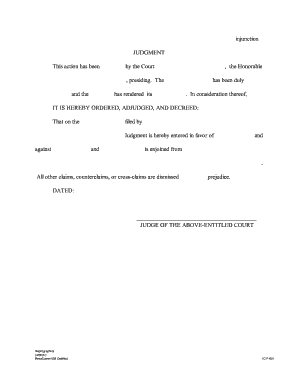
Injunction Judgment - courts state hi
The document is a court judgment that orders an injunction against a party, following a legal action presided over by a ...
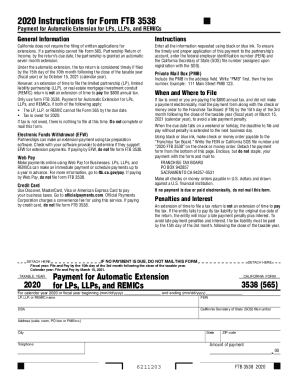
Form 565
The document provides instructions for California Form FTB 3538, which is used for making payments for automatic extensi ...

Va 8879
The document VA-8879 is a Virginia Individual Income Tax e-File Signature Authorization form for the tax year 2019. It o ...
People also ask
How do I add a codicil to an existing will?
An amendment is a formal document making a change to one or multiple parts of a Revocable Living Trust. A codicil is a formal document making a change to one or multiple parts of a Last Will and Testament.