
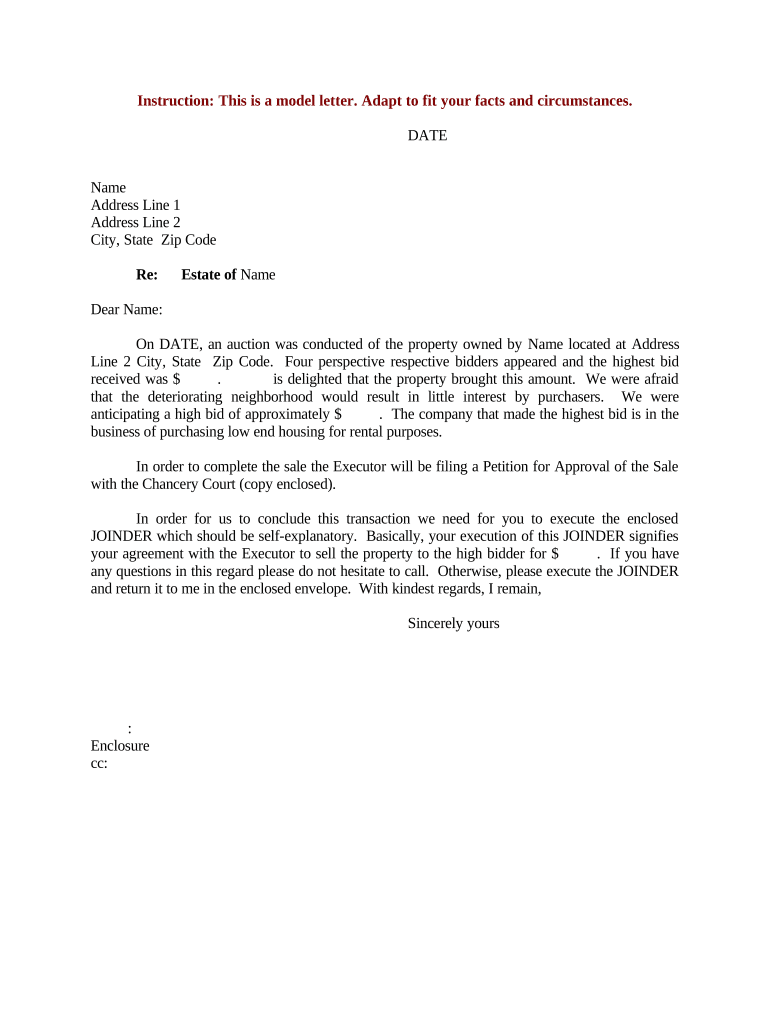







Understanding the Letter Petition
A letter petition serves as a formal request addressed to an individual or entity, expressing a specific need or soliciting action. This document is often employed in various contexts, including legal matters, community initiatives, or organizational affairs. The letter typically outlines the request clearly and concisely, providing sufficient context and justification for the reader to understand the urgency or importance of the matter.
Key Elements of a Letter Petition
The effectiveness of a letter petition relies upon several essential components, which must be well-structured to convey the intended message. Here are crucial elements to consider:
- Heading: Clearly state the purpose of the petition, such as "Petition for [specific request]."
- Introduction: Briefly introduce yourself and any co-signers, establishing credibility and context for the request.
- Statement of Purpose: Articulate the specific action being requested and the rationale behind it, including any relevant background information.
- Supporting Evidence: Provide facts, statistics, or case studies that align with the petition's aim, strengthening its validity.
- Signatures: Collect signatures from supporters to show that the request holds community backing, making it more persuasive.
- Closing Statement: End with a polite request for a response and any call for action, reinforcing the significance of addressing the petition.
Steps to Complete a Letter Petition
Creating an effective letter petition involves several methodical steps to ensure clarity and impact. Follow this process:
- Define the Issue: Identify what action you want to call for and why it matters.
- Research Relevant Information: Gather facts, figures, and supporting documents that substantiate your request.
- Draft the Document: Write a clear and concise letter using the key elements outlined.
- Review and Edit: Revise the draft for clarity, grammatical correctness, and persuasiveness. Ensure that the tone is respectful yet assertive.
- Gather Signatures: Present the petition to potential signers, explaining the issue and mobilizing support.
- Submit the Letter: Deliver the completed petition to the intended recipient via mail or electronically, depending on their preferred submission method.
Common Uses of Letter Petitions
Various groups and individuals utilize letter petitions for numerous purposes, including:
- Community Organizing: Residents may petition local governments for improvements in public services, infrastructure, or social programs.
- Legal Matters: Individuals seeking clemency or reconsideration of decisions can use a letter petition to appeal formally.
- Advocacy: Organizations may petition for legislative changes, environmental protections, or social justice initiatives.
Legal Considerations for Letter Petitions
While a letter petition can be an informal request, certain scenarios necessitate awareness of legal requirements or implications, particularly when submitting to governmental bodies or in legal contexts. Here are considerations to factor in:
- Adherence to Guidelines: Ensure the petition meets specific formats or requirements outlined by the entity to whom it is addressed.
- Impact of Signatures: The validity of signatures can significantly affect the petition's influence; verify that all signers are eligible and informed.
- Response Times: Be knowledgeable about any deadlines or expected response times related to the petition, which can vary by jurisdiction or organization.
Examples of Letter Petitions
The following examples illustrate the diversity in formulating letter petitions according to various goals:
- Sample Petition Letter for Local Park Improvements: This may include a request for new playground equipment or maintenance of existing facilities, supported by community signatures.
- Petition Letter for School Policy Changes: Parents might submit a petition to school boards advocating for curriculum enhancements or policy revisions, backed by compelling educational statistics.
- Sample Petition for Environmental Protection: Organizations may draft a letter petition requesting action against pollution or habitat destruction, emphasizing the environmental impact through scientific research.
In summary, the letter petition is a versatile document that can serve numerous purposes, and understanding its structure and applications can greatly enhance its effectiveness in various contexts.




