Definition and Meaning of a Sample Letter Summons
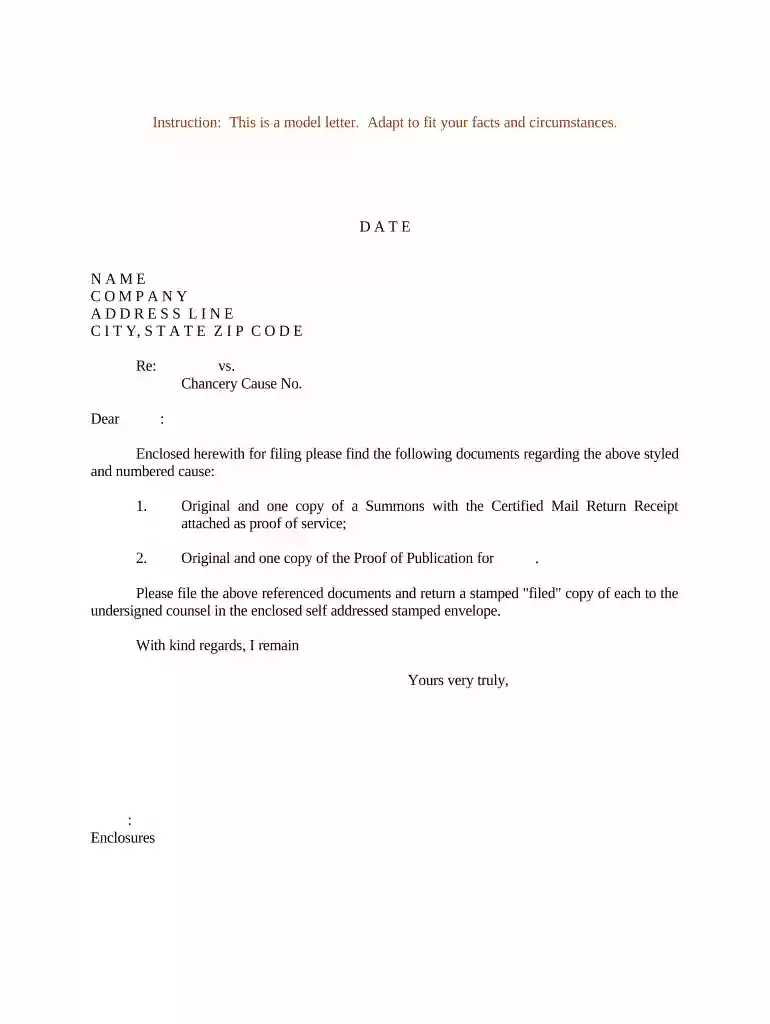
A sample letter summons is a formal document used to notify an individual about a legal proceeding or court hearing in which they are required to appear. This summons initiates the process of informing the recipient about the nature of the case, the court where it is filed, and the date by which they must respond or appear. A well-structured summons is essential as it ensures compliance with legal standards for notification, helping to uphold the defendant's right to a fair trial.
Key Elements of a Sample Letter Summons
- Court Information: Clearly states the name and address of the court where the action is filed.
- Parties Involved: Identifies the plaintiff and the defendant to clarify who is initiating the action and who is the subject of the summons.
- Case Number: Assigns a unique case number for reference, facilitating easier tracking of the case within the court system.
- Date of Appearance: Specifies the date, time, and location where the recipient must appear or respond.
- Description of the Action: Provides an overview of the legal matter at hand, helping the recipient understand what they are being summoned for and any specific legal requirements.
How to Use a Sample Letter Summons
The effective use of a sample letter summons involves a clear understanding of its structure and purpose. To utilize the document properly, follow these steps:
- Customize the Template: Begin by filling in the relevant details—court information, names of parties, case number, and specific dates. Tailor the content to fit the particulars of your case.
- Attach Necessary Supporting Documents: Include any required enclosures such as proof of publication or additional notifications to substantiate the summons.
- Deliver the Summons Correctly: Ensure the summons is served to the appropriate party, following state-specific laws, which may require personal delivery or mailing.
- Ensure Compliance with Filing Requirements: Submit copies of the filed summons back to the court, along with any applicable documents that showcase compliance with service rules.
Legal Use of the Sample Letter Summons
A sample letter summons serves critical legal purposes. It:
- Notifies a defendant of their obligation to respond within a set timeframe.
- Establishes the court's jurisdiction over the parties involved.
- Initiates legal proceedings and paves the way for subsequent actions, such as hearings and trials.
Understanding these aspects is vital for ensuring that the legal process proceeds smoothly.
Important Terms Related to Sample Letter Summons
Several terms are essential to understanding the function and implications of a sample letter summons:
- Defendant: The individual or entity being accused or sued in court.
- Plaintiff: The party who initiates the lawsuit.
- Service of Process: The legal procedure by which a defendant is formally notified of a legal action.
- Default Judgment: A ruling made by the court in favor of the plaintiff when the defendant fails to respond to the summons.
- Jurisdiction: The authority of a court to hear a case based on geographic area and subject matter.
Familiarity with these terms enhances comprehension and aids individuals in navigating legal scenarios.
Examples of Using a Sample Letter Summons
To illustrate the practical application of a sample letter summons, consider these scenarios:
- Personal Injury Case: A plaintiff files a lawsuit for damages against a driver for an automobile accident. The defendant receives a summons detailing the court's date and the nature of the allegations.
- Eviction Proceedings: A landlord issues a summons to a tenant for failure to pay rent, requiring them to appear in court and respond to the eviction notice.
- Child Custody Dispute: A parent receives a summons as part of a family court proceeding to resolve custody issues, informing them of the hearing details.
In each instance, the sample letter summons serves its purpose by formally notifying the involved parties and facilitating their participation in the legal process.
State-Specific Rules for the Sample Letter Summons
Laws governing the use and formatting of a sample letter summons vary by state. It is crucial to be aware of these differences in order to ensure legal compliance:
- Format Variations: States may have specific requirements for the layout and content of a summons letter, including mandated language or notices.
- Service Regulations: Each state outlines its own rules regarding who can serve the summons and how it must be delivered (e.g., personal service, certified mail).
- Response Timeframes: Varying states establish differing deadlines for defendants to respond after receiving a summons; some jurisdictions may offer more lenient periods than others.
Familiarizing yourself with state-specific rules can prevent procedural errors and enhance the likelihood of a successful legal outcome.
Steps to Complete the Sample Letter Summons
Completing a sample letter summons requires attention to detail. Follow these comprehensive steps to ensure accuracy:
- Choose a Standard Template: Start with a standardized format recognized in your jurisdiction. Many courts provide basic templates that can be modified.
- Input Essential Information: Fill in the names of both the plaintiff and defendant, the court's name and address, and the relevant case details, including the case number.
- Outline the Court's Demands: Specify the actions demanded from the defendant, such as appearing in court on a specific date or filing a response within a certain period.
- Review for Compliance: Ensure that all elements of the summons adhere to legal standards for your jurisdiction – double-check for missing information that could render the summons invalid.
- Finalize and Duplicate: After confirming details, print multiple copies for distribution – keep one for your records and send others as needed.
By carefully following these steps, individuals can create an effective sample letter summons that meets legal standards and fulfills its intended purpose.