
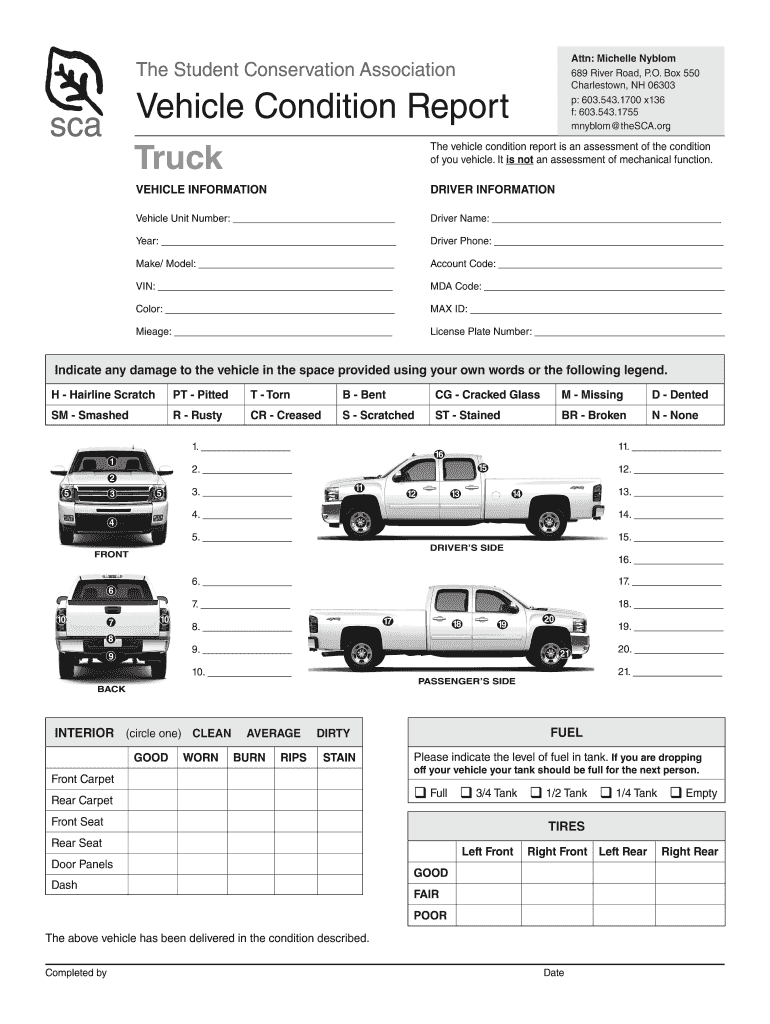







Definition and Meaning of Pickup Truck Inspection Diagram
The pickup truck inspection diagram serves as a visual representation designed to assist owners and inspectors in thoroughly assessing the various components of a pickup truck. It outlines essential areas requiring inspection, emphasizing the importance of vehicle safety and compliance with regulations. This diagram typically includes annotated sections for all critical components — such as brakes, tires, lights, and fluid levels — aiding in identifying issues that could affect the performance or legality of the vehicle.
Importance of the Pickup Truck Inspection Diagram
Utilizing an inspection diagram is beneficial for several reasons:
- Comprehensive Coverage: Ensures no critical components are overlooked during inspections.
- Standardization: Provides a uniform approach for inspections, leading to more consistent assessments.
- Visual Aid: Helps both seasoned professionals and novices understand where to focus their attention.
How to Use the Pickup Truck Inspection Diagram
To effectively use the pickup truck inspection diagram, individuals should follow a systematic approach to ensure thoroughness.
Step-by-Step Guide
- Review the Diagram: Begin by familiarizing yourself with the diagram to understand the layout and which components require inspection.
- Perform Visual Checks: Go through each section of the diagram, visually inspecting components like lights, tires, and brakes, ensuring they meet safety standards.
- Document Findings: Use the accompanying truck inspection form to note the condition of each component alongside the diagram, making it easier to track issues and repairs.
- Prioritize Repairs: Based on your findings, determine which items need immediate attention and create a maintenance schedule.
Best Practices
- Conduct inspections regularly, ideally before long trips or after major weather events.
- Combine visual inspections with functional tests, such as checking the operation of lights and brakes.
- Keep the inspection diagram handy for quick reference during routine maintenance.
Key Elements of the Pickup Truck Inspection Diagram
Understanding the critical parts of a pickup truck is essential for performing effective inspections. Key elements usually highlighted in the diagram include:
- Tires: Check tread depth, inflation, and overall condition.
- Brakes: Inspect pads, rotors, and brake fluid levels.
- Lights: Ensure all headlights, taillights, and turn signals are functional.
- Fluid Levels: Verify the levels of engine oil, coolant, and transmission fluid.
- Body Condition: Look for any rust, dents, or other physical damage.
Each of these components plays a significant role in the vehicle's overall safety and functionality, so proper attention must be paid during inspections.
Steps to Complete the Pickup Truck Inspection Diagram
Completing the pickup truck inspection diagram involves an organized process that ensures thorough and detailed evaluation.
Inspection Process Overview
- Gather Necessary Tools: Collect tools such as a tire gauge, flashlight, and fluid testing strips.
- Start from the Exterior: Begin your inspection from the exterior of the vehicle, checking body integrity, mirrors, and windows.
- Move to the Undercarriage: Inspect the underside for rust and other potential issues.
- Check Engine Compartment: Open the hood to review fluid levels, battery condition, and hose integrity.
- Interior Inspection: Examine seat belts and the condition of the dashboard controls.
Importance of Thorough Documentation
- Recording individual component conditions will help track recurring issues, making repairs easier.
- Detailed records may be necessary for future inspections or potential legal requirements.
Who Typically Uses the Pickup Truck Inspection Diagram
Various stakeholders utilize the pickup truck inspection diagram, including:
- Vehicle Owners: To maintain their trucks and ensure road safety.
- Fleet Managers: To ensure all vehicles in a fleet meet safety standards and are properly maintained.
- Mechanics: Use diagrams during inspection processes to identify components needing repair or replacement.
- Regulatory Agencies: Often employ inspection diagrams during compliance checks to verify vehicle safety standards are met.
Understanding the diverse user base for the diagram emphasizes its importance in promoting safety and compliance across different contexts.


Important Terms Related to Pickup Truck Inspection Diagram
Familiarity with specific terminology associated with the pickup truck inspection diagram enhances understanding and communication during inspections.
Key Terms to Know
- DOT Inspection: Refers to inspections mandated by the Department of Transportation, which may include specific standards for commercial vehicles.
- Walk-Around Inspection: An initial visual check performed by the driver before operating the vehicle to ensure it is safe.
- Vehicle Condition Report: A documentation process that evaluates the physical and mechanical condition of the vehicle, often using the inspection diagram.
Being knowledgeable about these terms assists users in navigating inspections effectively and improves compliance and safety practices.




