







Comprehensive Overview of Legal Client Intake Form Template
Definition and Purpose of a Legal Client Intake Form
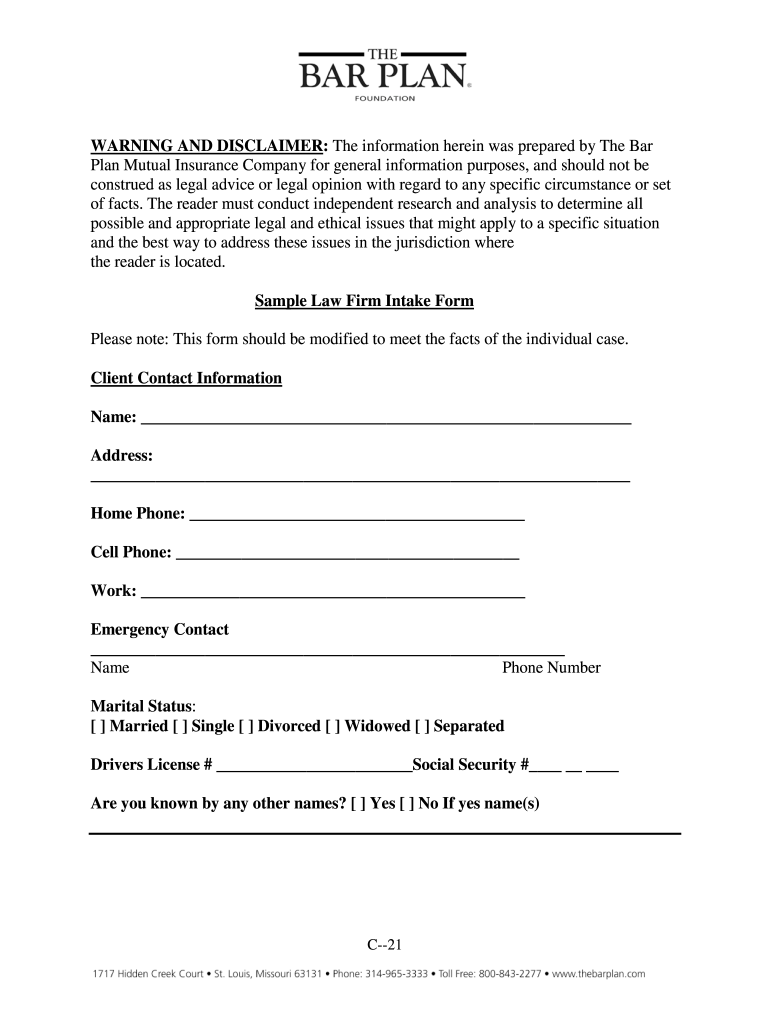
A legal client intake form serves as a vital document for law firms, collecting essential information from potential clients seeking legal representation. This form captures critical data that assists in assessing the legal needs of clients while laying the foundation for establishing an attorney-client relationship. It typically includes sections for personal details, details about the legal issue, and the client’s objectives regarding their legal representation.
- Key Information Collected:
- Personal identification details (name, address, contact information)
- Background on the legal matter (type of case, brief description)
- Client goals and expectations (desired outcomes, urgency)
- Relevant deadlines and case history
The client intake form not only helps firms streamline their processes but also ensures compliance with regulations concerning client confidentiality and data security. Given the sensitive nature of legal matters, proper handling of the information provided is paramount.
Essential Components of the Legal Client Intake Form
A well-structured legal client intake form template in Word should contain specific fields tailored to gather the necessary information efficiently. The following components are fundamental:
-
Personal Information Section
- Full name, contact number, email address, physical address.
- Date of birth and Social Security number for personal identification.
-
Legal Matter Description
- Type of legal issue (e.g., family law, criminal defense, contracts).
- Detailed description of the circumstances leading to legal representation needs.
-
Objectives and Expectations
- Open-ended questions to identify the client's goals (e.g., settlement, trial).
- Inquiries about previous legal representation and outcomes.
-
Financial and Fee Structure
- Information regarding the client's financial situation.
- Preferences for billing (flat fee, hourly rate, contingency).
-
Disclosure and Consent
- Sections for consent to use client data for specific purposes.
- Agreement to terms of confidentiality and representation.
Steps for Using a Legal Client Intake Form Template
Implementing a client intake form involves several systematic steps that ensure accommodation for a smooth onboarding process. These steps help gather relevant information while providing clients clarity about what to expect:
-
Download and Customize the Template
- Select a “legal client intake form template Word” that suits your practice.
- Modify fields to align with your firm's specific requirements and legal services.
-
Distribution Method
- Choose how to distribute the form, such as email, website upload, or in-person delivery during initial consultations.
- Enable easy access for clients to fill out the form remotely or upon arrival.
-
Data Entry and Review
- Once completed, store the intake forms securely, keeping confidentiality in mind.
- Review the information to ensure completeness and highlight areas requiring follow-up.
-
Analysis and Record Keeping
- Analyze the information provided to evaluate potential conflicts of interest and determine how best to assist the client.
- Maintain records of all completed forms according to retention policies.
Best Practices for Managing the Intake Process
Managing the client intake process effectively is crucial for successful legal practice operations. The following best practices are recommended:
- Consistent Updates: Regularly review and update the intake form to reflect changes in legal requirements or law firm structure.
- Client Follow-up: Establish a routine for following up with potential clients after they submit the form, ensuring their needs are addressed promptly.
- Data Security: Implement strong security protocols to protect sensitive client information from unauthorized access, including encryption and secure storage solutions.
Legal and Ethical Considerations in Client Intake
Law firms must navigate various legal and ethical regulations while managing client intake forms. Important considerations include:
- Confidentiality: Protecting the client's information is non-negotiable. Incorporating clauses affirming confidentiality is essential.
- Informed Consent: Clients should be informed about how their information will be used, adhering to any local or state laws regarding transparency and consent.
- Non-Discrimination Policy: Ensure the intake process is equitable, avoiding any biases based on race, gender, religion, or socioeconomic background.
By understanding these elements, law firms can enhance their client intake processes, ensuring compliance while fostering trust and transparency.




