



01. Edit your sample letter requesting to marry an inmate online
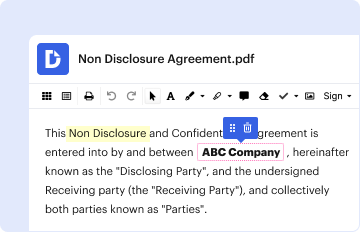
Type text, add images, blackout confidential details, add comments, highlights and more.

Type text, add images, blackout confidential details, add comments, highlights and more.
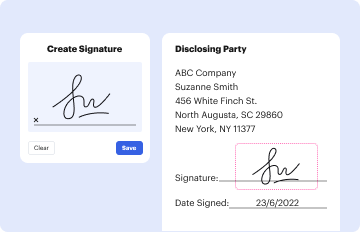
Draw your signature, type it, upload its image, or use your mobile device as a signature pad.

Send letter of intent to marry inmate template via email, link, or fax. You can also download it, export it or print it out.
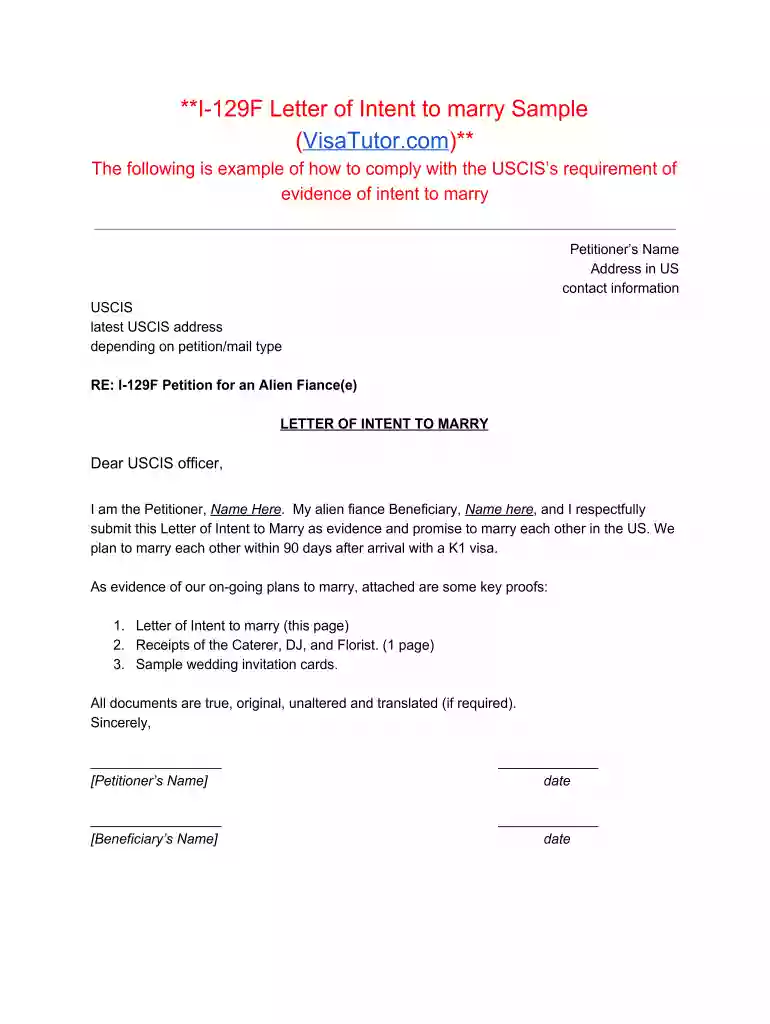
A Letter of Intent to Marry serves as a formal declaration of an individual's intention to enter into marriage. This document is particularly significant in legal contexts, such as during immigration processes, where it may be submitted with petitions like the I-129F for a K-1 fiancé(e) visa. The letter outlines the petitioner's commitment to marry and may include evidence of wedding plans.
A well-structured Letter of Intent to Marry typically includes several critical components:
Personal Information:
Statement of Intent:
Evidence of Relationship:
Signature and Date:
Creating an effective Letter of Intent to Marry involves following certain guidelines:
Clarity and Precision:
Formal Tone:
Detail Orientation:
A conventional format for a Letter of Intent to Marry may follow this structure:
Header:
Recipient Information:
Body:
Closing:
When creating a Letter of Intent to Marry, consider variations based on specific scenarios:
Marrying an Inmate:
K-1 Visa Context:
The Letter of Intent to Marry must adhere to certain legal standards:
Legality:
Cultural Sensitivity:
By ensuring that the letter contains these elements and adheres to the recommended structure and legal considerations, you create a strong document that effectively communicates your intention to marry.
At DocHub, your data security is our priority. We follow HIPAA, SOC2, GDPR, and other standards, so you can work on your documents with confidence.
The letter must be on facility letterhead and state that the party is incarcerated. The signature of the incarcerated party must be obtained on the marriageRead more
Dear Rabbi,. I am in love with a Catholic woman. I want to marry her. She loves me as much but religious beliefs are getting in the way.Read more


