Arrest warrant template 2026

Get Form
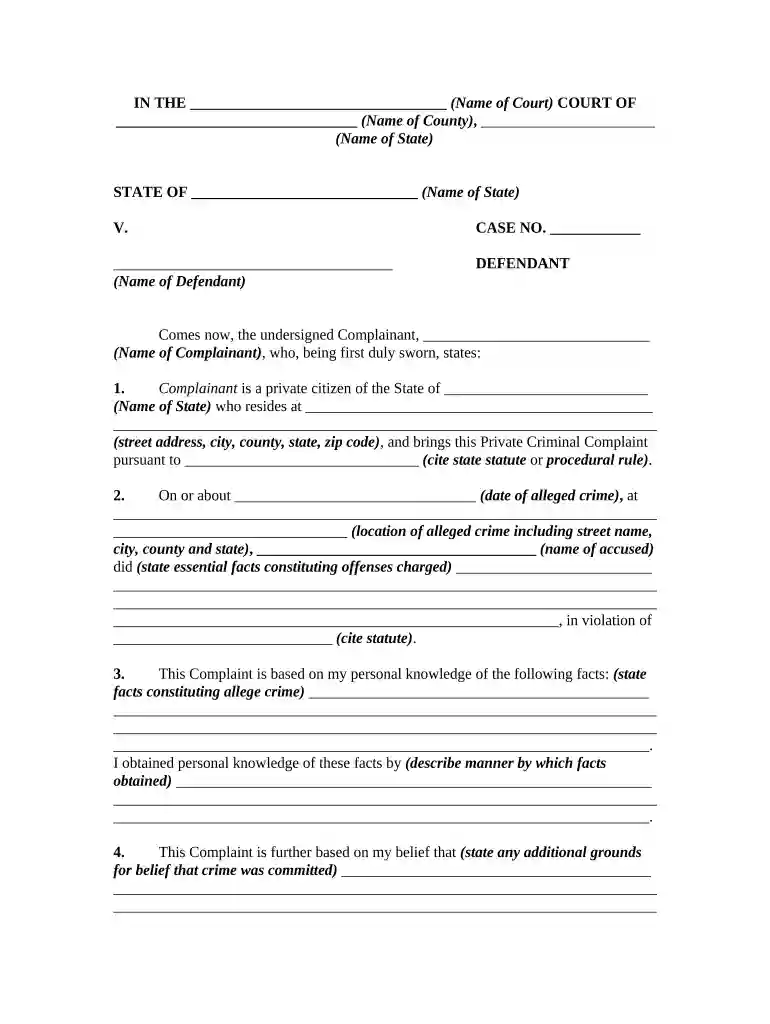
what is a doc warrant Preview on Page 1

Here's how it works

01. Edit your what is a doc warrant online
Type text, add images, blackout confidential details, add comments, highlights and more.

02. Sign it in a few clicks
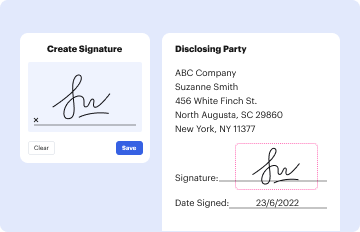
Draw your signature, type it, upload its image, or use your mobile device as a signature pad.

03. Share your form with others
Send doc warrant via email, link, or fax. You can also download it, export it or print it out.

How to use or fill out arrest warrant template with our platform

Form edit decoration
9.5
Ease of Setup
DocHub User Ratings on G2
9.0
Ease of Use
DocHub User Ratings on G2
  1. Click ‘Get Form’ to open the arrest warrant template in the editor.
  2. Begin by filling in the court name, county, and state at the top of the form. This information is crucial for identifying the jurisdiction.
  3. In the case number section, enter a unique identifier for this case. This helps in tracking and referencing the document.
  4. Provide the defendant's name clearly in the designated field. Ensure accuracy as this is vital for legal proceedings.
  5. Next, complete the complainant's details including their name and address. This establishes who is bringing forth the complaint.
  6. Detail the date and location of the alleged crime in the respective fields. Be specific to avoid ambiguity.
  7. Describe essential facts constituting offenses charged. Use clear language to outline what occurred.
  8. State how you obtained knowledge of these facts and any additional grounds for your belief that a crime was committed.
  9. Finally, provide witness information if applicable, and sign where indicated to validate your complaint.

Start using our platform today to fill out your arrest warrant template easily and for free!

be ready to get more

Complete this form in 5 minutes or less

Get form

Got questions?

We have answers to the most popular questions from our customers. If you can't find an answer to your question, please contact us.
Contact us
In California, arrest warrants can be issued by a judge. They have the authority to issue warrants based on probable cause. When a law enforcement agency presents evidence to a judge or magistrate, it is up to them to determine whether there is sufficient evidence to issue the warrant.
Key Points: Probable Cause is required. It must be personally determined by a judge. The judge must conduct an examination under oath or affirmation of the complainant and/or witnesses (although jurisprudence clarifies the extent of such examination). The warrant must particularly describe the person/s to be arrested.
The Supreme Court has not set a strict timeframe, but typically, judges act within a reasonable period, ranging from a few hours to a few days. Process: The judge examines the complaint, supporting affidavits, and other evidence. If probable cause is established, the judge issues the arrest warrant.
Arrest warrants can be served anytime - night or day. If the agents have an arrest warrant for suspect, they can enter that suspects residence to serve the warrant any time - night or day - as long as they have a reasonable belief that the suspect is home. Search warrants are different.
Yes. Under New Mexicos Inspection of Public Records Act (NMSA 1978, 14-2-1 to - 12), non-confidential government records such as warrants are generally open unless explicitly stated. Consequently, individuals may submit queries to agencies that maintain warrant records.

Security and compliance

At DocHub, your data security is our priority. We follow HIPAA, SOC2, GDPR, and other standards, so you can work on your documents with confidence.
Learn more
ccpa2
pci-dss
gdpr-compliance
hipaa
soc-compliance
be ready to get more

Complete this form in 5 minutes or less

Get form

People also ask

A warrant must contain the judges name, your name and address, the date, place to be searched, a description of any items being searched for, and the name of the agency that is conducting the search or arrest.
The paperwork should include the law(s) suspected to have been violated, a detailed description of the person or place to be searched, a description of what items are anticipated to be found during the search, and a summary from the officer indicating background information about the investigation and probable cause.

doc warrent