
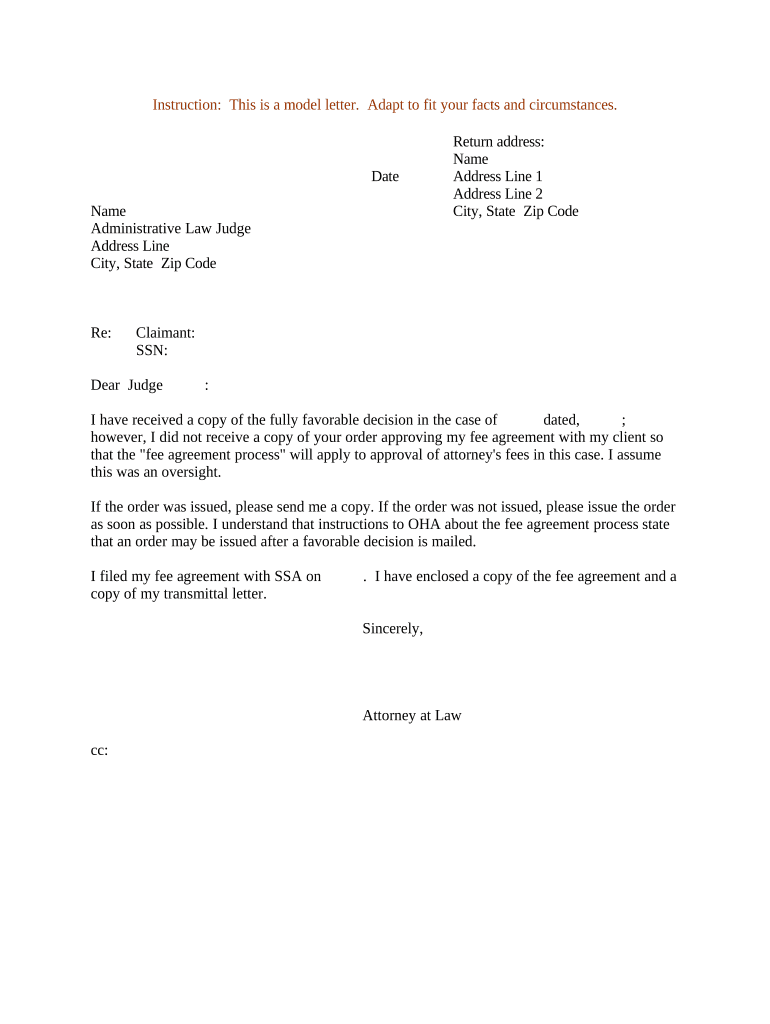







Understanding the Sample Letter to a Judge
A letter to a judge is a formal communication intended to convey important information or requests in a legal context. Understanding the nuances of this type of letter can greatly improve its effectiveness and ensure it adheres to legal protocols. This letter is often used in matters related to leniency, appeals, or requests for information and can be crucial in influencing judicial decisions.
Key Elements of a Sample Letter to a Judge
A sample letter to a judge should include several essential components to ensure clarity and professionalism. These key elements include:
-
Sender’s Information: The sender’s name, address, and contact information should be included at the top of the letter.
-
Date: Always include the date when the letter is written, which is typically placed below the sender's information.
-
Judge's Information: The specific judge's name, title, and the court’s address should follow the date, firmly establishing the audience.
-
Salutation: A formal greeting is essential, such as "Dear Judge [Last Name]."
-
Body of the Letter: This section articulates the purpose of the letter, providing necessary context and details about the case. It may also contain requests for leniency, explanations of circumstances, or specific information needed from the judge.
-
Closing Statement: A polite closing that summarizes the request or intent of the communicative effort, such as "Thank you for considering my request."
-
Signature: Ensure the letter is signed by the sender, with the typed name immediately below the signature.
Including these elements not only adheres to legal letter format to a judge but also enhances the letter's clarity and impact on the recipient.
Formatting Guidelines for Writing a Letter to a Judge
Adhering to proper formatting guidelines is crucial to maintaining professionalism. Here are some key formatting tips:
-
Font Style and Size: Use a standard font such as Times New Roman or Arial in size twelve for readability.
-
Margins: Maintain at least one-inch margins on all sides of the letter.
-
Alignment: Left-align the text, using block format for a clean look, where each paragraph is separated by a line space.
-
Paragraph Structure: Begin each paragraph with an indentation, ensuring to leave an empty line between paragraphs for clarity.
These formatting guidelines ensure the letter is easy to read and gives a strong impression of professionalism.
Steps to Complete a Sample Letter to a Judge
Creating an effective letter to a judge involves several steps to ensure all pertinent details are included. Following these steps can streamline the writing process:
-
Identify the Purpose: Clearly define the reason for writing. Is it to request leniency, provide new evidence, or something else? Knowing the intent guides the rest of the letter.
-
Gather Case Details: Collect all relevant information, including case numbers, dates, and names of involved parties to create a comprehensive picture.
-
Draft the Letter: Start with the basic structure mentioned above. Draft the letter by filling in each section carefully.
-
Review for Clarity and Tone: Ensure the tone remains respectful and formal throughout, avoiding any casual language or emotional expressions that might detract from the message.
-
Edit for Errors: Proofread the letter for grammatical errors, typos, or incorrect information. A well-edited letter reflects respect for the judicial process.
-
Submit Properly: Determine whether to send the letter via mail, in-person delivery, or another method, ensuring compliance with court guidelines.
These steps not only help in crafting a formal letter but also ensure that it is clear, respectful, and impactful.
Examples of Appropriate Use Cases for a Sample Letter to a Judge
A sample letter to a judge can be employed in various scenarios. Some common examples include:
-
Request for Leniency: Individuals facing sentencing may write a letter to a judge asking for a lighter sentence due to mitigating circumstances.
-
Appeal Letters: Those who are dissatisfied with a court decision can use this letter format to present their case for review or re-evaluation.
-
Information Requests: Attorneys may write to a judge seeking specific documents or clarifications about court orders.
Each use case requires careful consideration of the judge's perspective and the broader implications of the request being made.
Who Typically Uses a Sample Letter to a Judge?
Various individuals and professionals make use of letters to judges, including:
-
Defendants: Individuals facing charges or sentencing may write letters directly or through their attorneys.
-
Attorneys: Legal professionals often draft letters on behalf of their clients to address specific legal matters.
-
Family Members: Relatives of the defendant may submit letters requesting leniency or highlighting character traits in support of their loved one.
By understanding who commonly writes such letters, one can more effectively tailor the content and tone to the intended audience, enhancing communication.




