



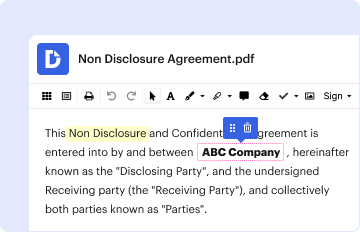
01. Edit your sample letter for driving privileges from employer online
Type text, add images, blackout confidential details, add comments, highlights and more.

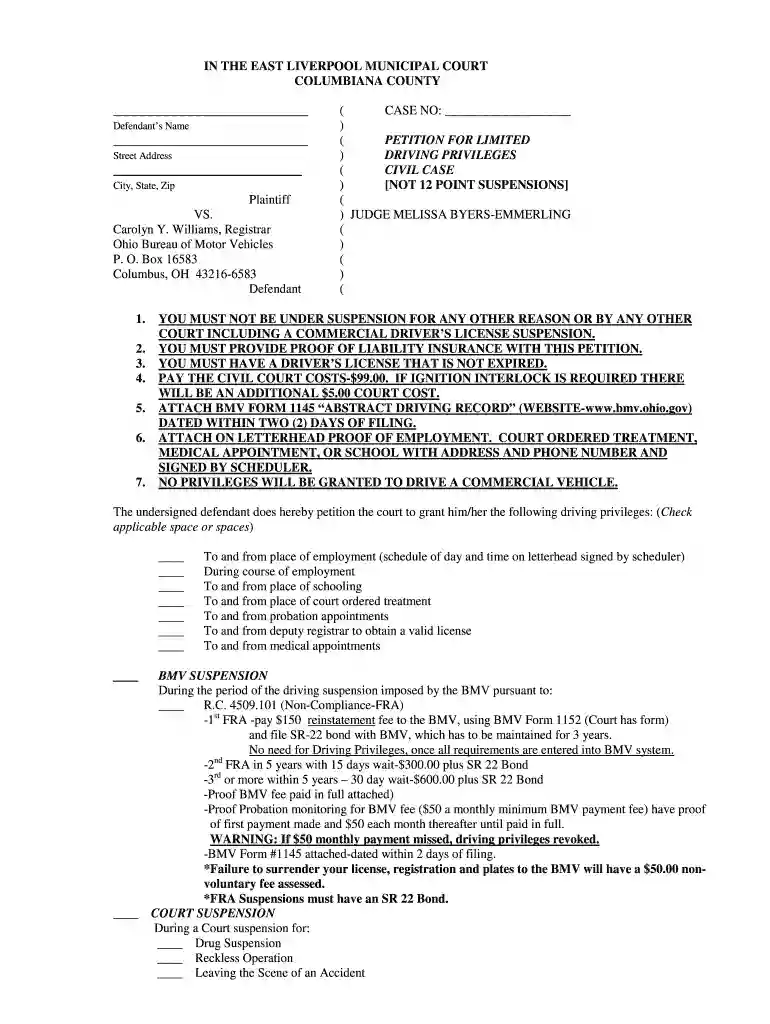
Type text, add images, blackout confidential details, add comments, highlights and more.
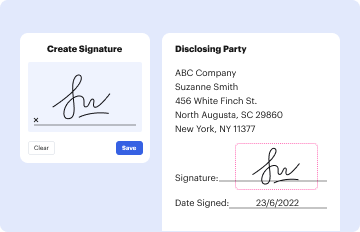
Draw your signature, type it, upload its image, or use your mobile device as a signature pad.
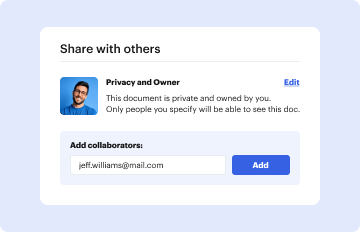
Send hardship license letter from employer sample via email, link, or fax. You can also download it, export it or print it out.
Obtaining a sample letter for driving privileges from an employer is essential for individuals seeking permission to drive despite having a suspended license. This letter serves as a formal request that outlines the necessity of driving for work-related purposes. It should contain specific details about the employee’s role, the reason for needing a hardship license, and any applicable legal references.
A well-structured employer letter for driving privileges typically includes the following elements:
When drafting a sample letter for a restricted driving license, it’s important to maintain a professional tone and include concise details. Here is a structured approach:
Header Section:
Salutation:
Body of the Letter:
Conclusion:
The following examples provide practical insights into what a letter might include:
Example 1: A delivery driver may require a hardship license due to the nature of their job, which involves frequent travel between client locations. The letter should explicitly detail how job performance would be impacted without access to a vehicle.
Example 2: A healthcare worker may need to drive for emergency calls or patient visits. The employer can highlight the critical nature of timely responses and how losing the ability to drive would jeopardize service delivery.
It is paramount to be aware of the legal requirements when submitting a driving privileges letter. Each state may have specific regulations regarding conditional or restricted licenses, including:
In summary, a sample letter for driving privileges from an employer requires careful attention to detail and must include all necessary information to support the request. Clear communication is essential to convey the importance of the need for driving access, especially in cases where employment is directly affected. Having a well-crafted letter can greatly improve the chances of securing the necessary driving privileges under hardship conditions.
Signing paperwork on a mobile device is quick, simple, and doesn’t require software installation if you have an account with DocHub. Log in from any browser, complete your empty fields with your information, and click on Sign → Create your signature. You can draw your electronic signature the same way you usually do on paper, add its picture to your sample letter from employer for restricted license, or type in your name and stylize its look. Whatever option you select, your paperwork will be valid.
You may quickly fill out, modify, and even eSign your ma hardship license utilizing DocHub. Create a new account and begin your free trial. After that, you can add the file with the form and easily make all the needed edits. No need to print on paper or use a third-party application to sign it, as you can place your electronic signature on your document quicker via DocHub.
At DocHub, your data security is our priority. We follow HIPAA, SOC2, GDPR, and other standards, so you can work on your documents with confidence.
I AM REQUESTING THE FOLLOWING SPECIAL DRIVING PRIVILEGES: I UNDERSTAND THAT THE COURT MAY GRANT ME ALL, SOME, OR NONE OF. THE DRIVING PRIVILEGES BEING REQUESTEDRead more
You must have a CDL to operate: Any single vehicle with a gross vehicle weight rating (GVWR) of 26,001 pounds or more. A combination vehicle with a grossRead more


