




Definition and Meaning of the Dope Test Form PDF
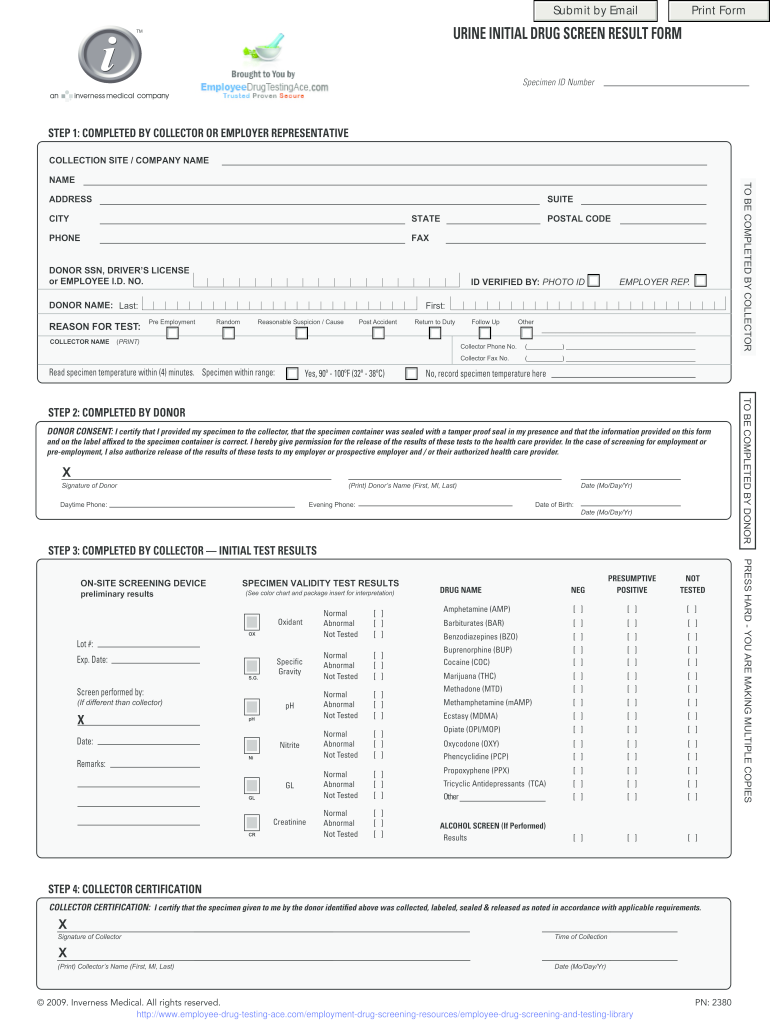
The dope test form PDF is an essential document utilized in various contexts, including pre-employment screenings, random testing, and post-accident evaluations. This form serves as a standardized method for collecting and documenting urine samples for drug screening purposes. The information captured on the form typically includes collector and donor details, specimen validity tests, preliminary drug test results, and collector certification statements. This structured approach ensures that the testing process adheres to established protocols, thereby maintaining integrity and accuracy in drug testing procedures.
Key Components of the Dope Test Form
- Collector Information: The form requires the name and signature of the individual collecting the sample, ensuring accountability in the process.
- Donor Information: Personal details of the individual providing the sample, including identification, are mandatory to confirm the identity of the person undergoing testing.
- Specimen Validity Tests: This section encompasses checks intended to verify the integrity of the sample, including measures for temperature and pH levels.
- Preliminary Drug Testing Results: This crucial part indicates the initial findings from the test, such as positive or negative results for specified substances.
- Collector Certification: The collector's signature verifies that all procedures were followed properly during the sample collection, affirming the authenticity of the test.
How to Use the Dope Test Form
The process for utilizing the dope test form involves several key steps. Proper adherence to these steps ensures both accuracy in results and compliance with legal standards.
- Access the Form: Obtain a dope test form PDF download from a reliable source. Ensure it is up-to-date and adheres to the latest legal requirements.
- Complete the Required Fields: Fill in the collector and donor information accurately. Details must include names, identifiers, and necessary authorizations.
- Conduct the Sample Collection: Follow standardized procedures for collecting urine samples. Maintain confidentiality and ensure the donor understands the procedure.
- Document Validity Tests: Record the results of specimen validity tests immediately to prevent any discrepancies later in the process.
- Submit for Analysis: Send the completed form along with the collected specimen to the designated laboratory for analysis.
- Retain Copies for Records: Keep a copy of the completed form for organizational records to comply with any potential audits or reviews.
Legal Considerations in Using the Dope Test Form
- Compliance with Regulations: Ensure that the dope test form aligns with local, state, and federal guidelines for drug testing to avoid legal repercussions.
- Confidentiality: Protect the confidentiality of the donor's information throughout the testing process. Adhere to HIPAA regulations as applicable.
- Authorized Personnel: Only individuals with the necessary training and authority should collect samples to maintain the integrity of the process.
Collecting and Documenting Information
Accurate data collection on the dope test form is vital for the validity and reliability of drug testing results. Each section of the form should be filled out meticulously.
- Donor Consent: Ensure the donor provides consent before sample collection, which may involve signing a statement on the form.
- Verification of Identity: Check and document the identification of the donor to prevent misunderstandings and identity fraud.
- Sample Conditions: Record details such as the temperature and appearance of the urine sample, as these factors can influence test outcomes.
Special Cases for Documentation
In specific situations, additional documentation may be necessary:
- Chain of Custody Forms: For legal proceedings, maintaining a chain of custody documentation alongside the dope test form may be required to substantiate the integrity of the sample.
- Cut-off Levels for Substances: Include information on the specific cut-off levels for various substances being tested, as these thresholds can vary significantly by policy or jurisdiction.
Examples of Usage Scenarios
The dope test form's versatility extends across various industries and contexts. Here are examples of typical scenarios where the form is employed:
- Pre-Employment Drug Screening: Many companies require potential employees to undergo drug testing before making a hiring decision. The dope test form is essential for documenting this process.
- Random Drug Testing in Workplaces: Industries with safety-sensitive positions, such as transportation and healthcare, frequently implement random drug testing as a safety measure, necessitating the use of the form.
- Post-Accident Testing: Following workplace incidents where substance use may have contributed, organizations utilize the dope test form to document the collection of samples for testing.
Broader Implications of Drug Testing
- Workplace Safety: Drug testing enhances the safety environment, potentially reducing workplace accidents and liabilities.
- Employee Accountability: Encouraging compliance with drug-free workplace policies fosters a sense of responsibility among employees.
Penalties for Non-Compliance
Failing to follow the proper procedures outlined in the dope test form can result in several repercussions, both for the individuals involved and the organizations conducting the tests.
- Legal Penalties: Non-compliance with state or federal drug testing regulations can lead to severe legal consequences, including fines or other disciplinary actions against the employer.
- Inaccurate Testing Outcomes: Incomplete or improperly filled out forms can result in unreliable test results, leading to wrongful retention or termination of employees.
- Reputational Damage: Organizations that do not adhere to expected standards may face damage to their reputation, affecting employee trust and stakeholder confidence.
This comprehensive approach to understanding and utilizing the dope test form PDF emphasizes the importance of detailed documentation and adherence to legal standards in ensuring effective drug testing procedures.