




Here's how it works
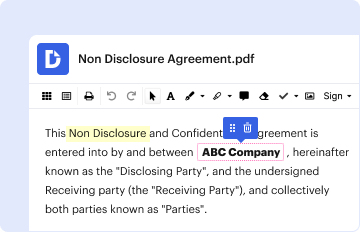
01. Edit your form online
Type text, add images, blackout confidential details, add comments, highlights and more.
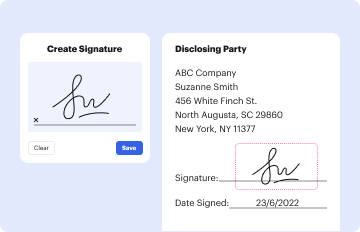
02. Sign it in a few clicks
Draw your signature, type it, upload its image, or use your mobile device as a signature pad.

03. Share your form with others
Send it via email, link, or fax. You can also download it, export it or print it out.
How to Use or Fill Out Juvenile Delinquency with Our Platform

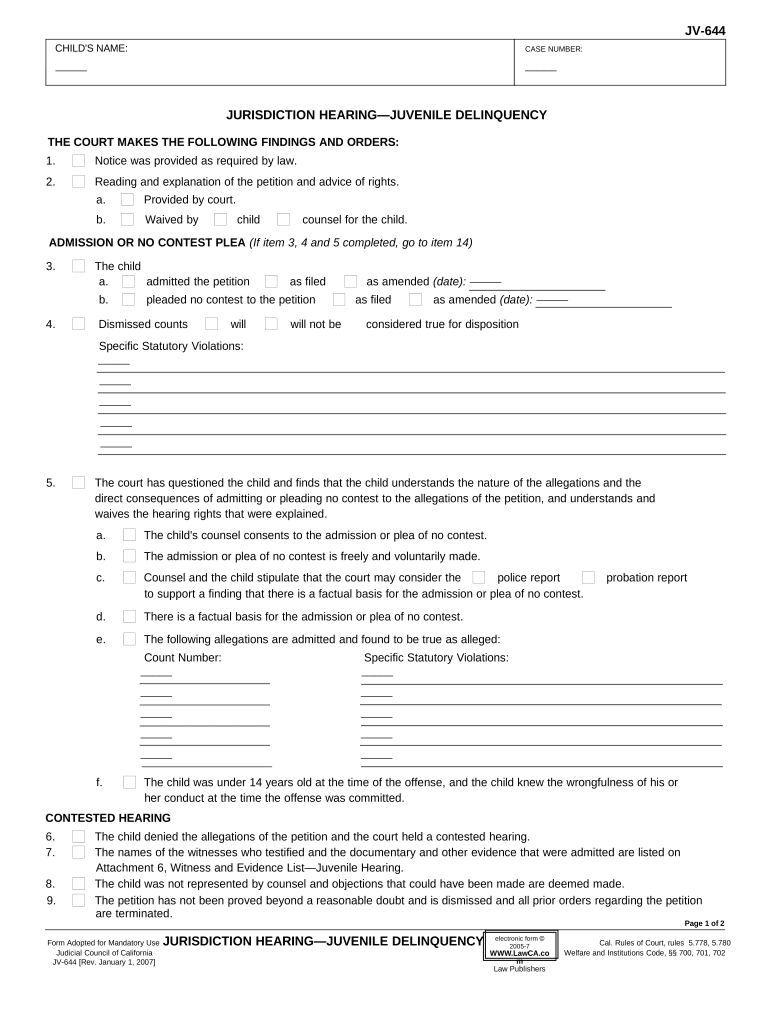
- Click ‘Get Form’ to open the juvenile delinquency form in the editor.
- Begin by entering the child's name and case number at the top of the form. This information is crucial for identifying the specific case.
- Proceed to section 1, where you will confirm that notice was provided as required by law. Ensure this is accurately checked off.
- In section 3, indicate whether the child admits or pleads no contest to the petition. Select the appropriate option and provide any necessary details regarding counts and statutory violations.
- For sections 10 through 13, carefully review and fill out findings related to allegations, ensuring all counts are addressed correctly based on court determinations.
- Complete sections regarding disposition, including whether the child may remain at home or needs further detention. Provide relevant details as required.
Start using our platform today for free to streamline your document editing and completion process!
Fill out juvenile delinquency online
It's free
It's free
Security and compliance
At DocHub, your data security is our priority. We follow HIPAA, SOC2, GDPR, and other standards, so you can work on your documents with confidence.
Learn more