




Here's how it works
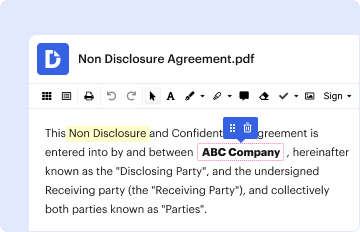
01. Edit your arbitration memorandum sample online
Type text, add images, blackout confidential details, add comments, highlights and more.
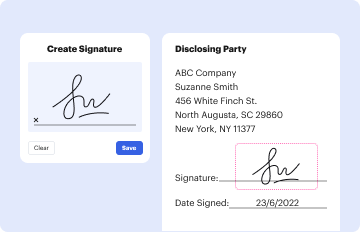
02. Sign it in a few clicks
Draw your signature, type it, upload its image, or use your mobile device as a signature pad.
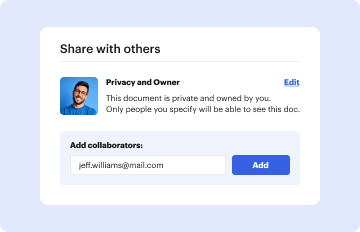
03. Share your form with others
Send it via email, link, or fax. You can also download it, export it or print it out.
How to use or fill out arbitration memorandum sample with our platform

- Click ‘Get Form’ to open the arbitration memorandum sample in the editor.
- Begin by entering the number of witnesses you are offering at arbitration in the designated field.
- Next, indicate the anticipated length of time for your presentation. This helps set expectations for the arbitration process.
- In section one, provide a brief factual outline of your position. Clearly articulate your stance to ensure clarity.
- Outline any disputed facts and issues in section two. Use bullet points for easy readability.
- In section three, list facts that you anticipate will be undisputed, as this can streamline discussions during arbitration.
- Set forth legal issues to be addressed by the arbitrator in section four, ensuring all relevant points are covered.
- Quantify elements of your alleged damages in section five to provide a clear picture of your claims.
- Discuss any expert reports in section six and attach copies if necessary for reference.
- Address mitigation of damages in section seven if applicable, demonstrating proactive measures taken.
- Describe defenses asserted against complaints or counterclaims in section eight to clarify your position.
- Confirm whether all parties have been served and indicate any defaults in sections nine and ten respectively.
- List any unserved or defaulted parties in section eleven for transparency.
- If special expertise is required by the arbitrator, specify this in section twelve to ensure proper qualifications are met.
- Finally, certify that all information is complete and accurate by signing and dating at the bottom of the form.
Start filling out your arbitration memorandum sample today on our platform for free!
Fill out arbitration memorandum sample online
It's free
It's free
Got questions?
We have answers to the most popular questions from our customers. If you can't find an answer to your question, please contact us.
Contact us
What not to say during arbitration?
Always get straight to the merits without berating the other side or whining about how badly it has treated you. Another threat to your credibility is the kitchen sink arbitration demand or a response that includes numerous claims or defenses that have little chance of succeeding.
How to write an arbitration notice?
Necessary Elements Details of the Parties. Details of the relationship between the parties. Demand for Arbitration. The mention of agreement/contract (if any). The mention of already existing arbitration agreement between the parties pursuant to which the concerned notice of arbitration has been sent (if any).
What are the 5 steps of arbitration?
To give you an idea of the process that arbitration typically involves, the American Arbitration Association describes artibtration as having five main steps: Filing and initiation. Arbitrator selection. Preliminary hearing. Information exchange and preparation. Hearings. Post hearing submissions. Award.
What are the steps in the arbitration process?
There are typically seven stages of the arbitration process: Claimant Files a Claim. Respondent Submits Answer. Parties Select Arbitrators. Parties Attend Initial Prehearing Conference. Parties Exchange Discovery. Parties Attend Hearings. Arbitrators Deliberate and Render Award.
Is it better to settle or go to arbitration?
Arbitration is a fairer, faster, and less expensive way to resolve disputes than time-consuming and expensive litigation.
Security and compliance
At DocHub, your data security is our priority. We follow HIPAA, SOC2, GDPR, and other standards, so you can work on your documents with confidence.
Learn more


People also ask
Who usually wins in arbitration?
In most cases, arbitration tends to be more cost-effective. While arbitrators fees can be significant, the overall expenses are generally lower because of limited discovery and quicker resolution.
How to write an arbitration agreement?
The Scope of the Clause. This section of the clause is critical; it sets the boundaries for which disputes the tribunal is authorised to determine. Choice of Rules. The Number of Arbitrators. Appointing Authority. Choice of Venue. The language of the proceedings. Finality. Exclusion of the right of appeal.