






Definition & Meaning
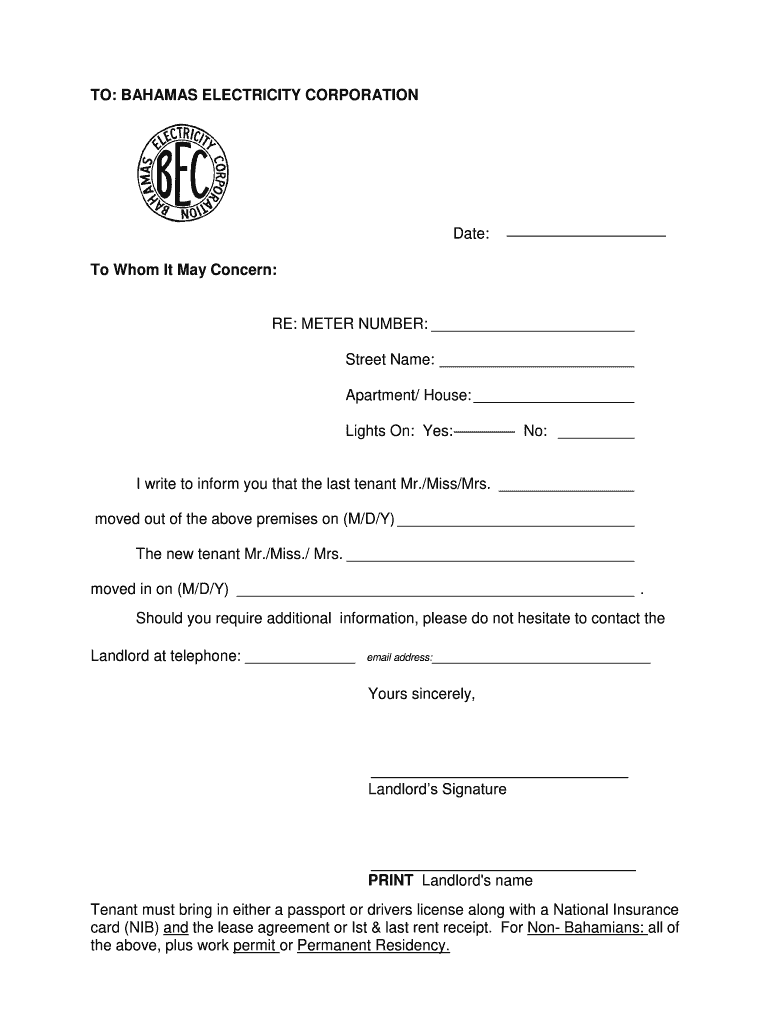
A letter to landlord permission for new electricity connection serves as a formal request from a tenant to their landlord, seeking approval to establish a new electrical service. This document is crucial for validating the tenant's authority to make modifications to the rental property, particularly in cases where the electricity needs to be connected or upgraded.
Purpose of the Letter
The primary purpose of this letter is to ensure transparent communication between tenants and landlords regarding utility connections. It outlines the tenant's request, provides necessary details, and seeks written consent from the landlord, which can be important for various legal and procedural reasons.
Situational Relevance
In scenarios where tenants are moving into a new property or require an upgrade to existing electrical services, this letter becomes essential. It acts as a safeguard for both parties, ensuring that the landlord acknowledges and permits such actions, which can help avoid disputes later on.
How to Use the Letter to Landlord Permission for New Electricity Connection
The process of using this letter involves several steps to ensure clarity and compliance with any lease agreements. Follow these steps to draft and utilize the letter effectively.
Preparing the Letter
- Gather Information: Collect all necessary information, including the address of the property, tenant's details, and preferred service provider for the electricity connection.
- Detail Service Needs: Clearly specify whether this is a new connection, upgrade, or reconnection of an existing service.
Drafting the Content
- Be Formal Yet Clear: Use a professional tone to convey respect and seriousness about the request. Begin with a proper salutation and include any reference to previous communications if applicable.
- State Your Request: Clearly articulate your request for permission to connect electricity, ensuring it aligns with any previous agreements stated in the lease.
Sending the Letter
- Choose the Right Method: Send the letter via email or as a certified mail document to ensure there is a record of the landlord receiving your request.
- Follow Up: If you don’t receive a prompt response, a polite follow-up can be beneficial to expedite the process.
Steps to Complete the Letter to Landlord Permission for New Electricity Connection
Completing this letter requires specific information and adherence to a structured format. Here are the detailed steps to follow.
-
Header Information: Include your name, address, and contact information at the top. Follow this with the date and the landlord’s name and address.
-
Subject Line: Add a subject line that briefly describes the intent, such as “Request for Permission for New Electricity Connection”.
-
Salutation: Use a respectful greeting, such as “Dear [Landlord's Name],”.
-
Body of the Letter:
- Introduce yourself if necessary, stating your relationship to the property.
- State your request clearly, mentioning that you seek permission to connect electricity services.
- Include details on the proposed service provider if applicable.
- Specify any urgency if needed, providing reasons for the timeframe.
-
Closing Statement: Thank the landlord for considering your request and express willingness to comply with any further requirements.
-
Signature: Sign the letter if sending a physical copy; if electronic, consider using a scanned signature.
Key Elements of the Letter to Landlord Permission for New Electricity Connection
Several essential components should be included to ensure the letter is comprehensive and effective in conveying the request.
Essential Components
- Identification of Parties: Clearly identify both the tenant (you) and the landlord through proper names and contact details.
- Property Details: Mention the address of the property in question to avoid any ambiguity.
- Nature of Request: State explicitly that this is a request for permission for a new electricity connection.
- Proposed Timeline and Provider: If known, include the proposed timeline for connection and the name of the electricity provider.
Optional but Helpful Details
- Previous agreements: Reference any relevant lease agreements that pertain to modifications of the property.
- Additional Permissions: If relevant, indicate if other alterations or improvements might be necessary once electricity is connected, which might require further permission.
Examples of Using the Letter to Landlord Permission for New Electricity Connection
Real-world applications can exemplify how the letter functions effectively in practice. Here are a few scenarios:
Example 1: New Tenants in a Rental Property
A tenant moving into a rental property may need to establish a new account with the local electric company. The letter, in this case, would request permission for the connection, providing necessary information about the service provider and the intended connection date.
Example 2: Upgrading Existing Services
A long-term tenant might wish to upgrade their existing electrical service due to increased usage needs. The letter would explain why an upgraded connection is necessary and seek the landlord’s approval.
Example 3: Post-Renovation Requests
After renovations that affect electricity setup, a tenant may need to request a new installation. This situation would require clear expression of the need for the new connection and specifics about how alterations impact electrical service.
Legal Use of the Letter to Landlord Permission for New Electricity Connection
Legally, this letter serves as a formal documentation process that provides protection to both tenants and landlords. Understanding its legal relevance increases its importance.
Documentation of Consent
A signed letter from the landlord acts as legal proof that the tenant has received permission to have electrical services connected or modified, which can be critical in cases of disputes.
Compliance with Lease Agreements
Many leases include clauses about modifications to utilities that must be adhered to. This letter is a formal way to initiate actions that comply with those terms.
Future Reference
The letter can also serve as a historical reference if any modifications or changes are questioned in the future, providing a clear record of tenant-landlord interactions regarding utility connections.