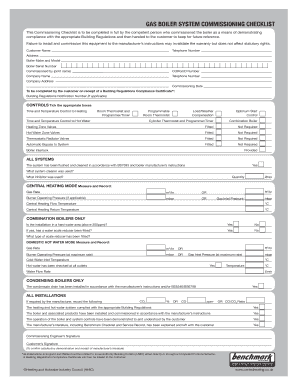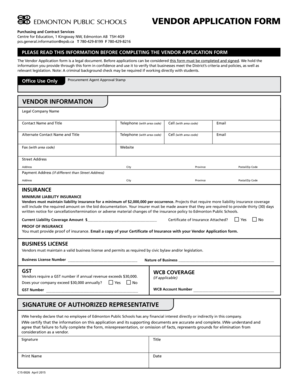


Southampton county va building permit 2026

Get Form
southampton county dump schedule Preview on Page 1

Here's how it works

01. Edit your southampton county dump schedule online
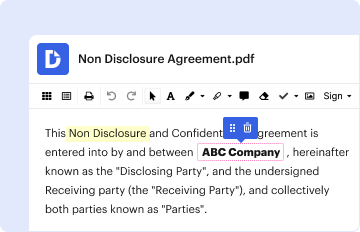
Type text, add images, blackout confidential details, add comments, highlights and more.
02. Sign it in a few clicks
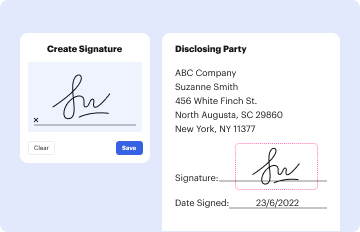
Draw your signature, type it, upload its image, or use your mobile device as a signature pad.
03. Share your form with others
Send southampton dump schedule via email, link, or fax. You can also download it, export it or print it out.

How to use or fill out Southampton County VA Building Permit with our platform

Form edit decoration
9.5
Ease of Setup
DocHub User Ratings on G2
9.0
Ease of Use
DocHub User Ratings on G2
  1. Click ‘Get Form’ to open the Southampton County VA Building Permit in the editor.
  2. Begin by entering your name and contact information in the designated fields. Ensure accuracy as this information is crucial for processing your application.
  3. Provide the Tax Map Number and details about the property, including whether it is part of a subdivision. This helps in identifying your property accurately.
  4. Fill out the sections regarding utilities, indicating if plumbing and electricity will be included in the new structure. Select the appropriate power company from the options provided.
  5. Complete the classification of work by selecting one category that best describes your project, such as 'New Construction' or 'Alteration'.
  6. Attach any required documents, such as floor plans and permits from other departments, directly within our platform for seamless submission.
  7. Review all entered information for accuracy before signing and submitting your application through our editor.

Start filling out your Southampton County VA Building Permit today for free using our platform!

be ready to get more

Complete this form in 5 minutes or less

Get form

Got questions?

We have answers to the most popular questions from our customers. If you can't find an answer to your question, please contact us.
Contact us
Permits are required for the construction of a new building, shed, deck, additions, or renovations to existing structures. Permits are required for small repairs, installation or replacement of heating and air condition units or systems, plumbing and electrical fixtures, demolition or moving of any structure.
The following typical home improvement projects do not require a permit: Painting or other wall finishes. Ceramic tile, hardwood floors, carpet. Crown molding, baseboards, trim. Doors and windows (in existing openings). Gutters and down spouts. Kitchen cabinets (new and existing). On-grade patios.
The quick and simple answer is: you usually dont need a permit if the shed is 120 square feet or less. In California, most jurisdictions have adopted the 120 square foot rule. If your shed area is larger than 120 square feet, it needs a building permit.
A residential electrical permit is required for new residential service, new electrical equipment and/or fixtures, replacement of electrical equipment or fixtures, and electrical vehicle charging station circuits and outlets.
Fines and Penalties: You may face fines imposed by local authorities for not having the required permits. Legal Issues: Unpermitted work can lead to legal action, including stop-work orders or lawsuits from neighbors or homeowners associations.

Security and compliance

At DocHub, your data security is our priority. We follow HIPAA, SOC2, GDPR, and other standards, so you can work on your documents with confidence.

Learn more
ccpa2
pci-dss
gdpr-compliance
hipaa
soc-compliance
be ready to get more

Complete this form in 5 minutes or less

Get form

People also ask

A building permit for a home will typically take a few weeks for the County to process. Virginia Department of Transportation (VDOT) or Health Department approvals are also usually needed. Due to the growth in the region, Health Department permits can take 60 days or more.
Installation or replacement of floor finishings, cabinetry, paint, or wall paper. Replacement of electrical switches, dimmers, 15 or 20 amp 125 volt receptacles, lighting outlets, and ceiling (paddle) fans in Single Family Dwellings. Replacement of mechanical appliances that are not fueled by gas or oil.

southampton county dump sites