






Definition and Meaning of the Blank Coggins Form
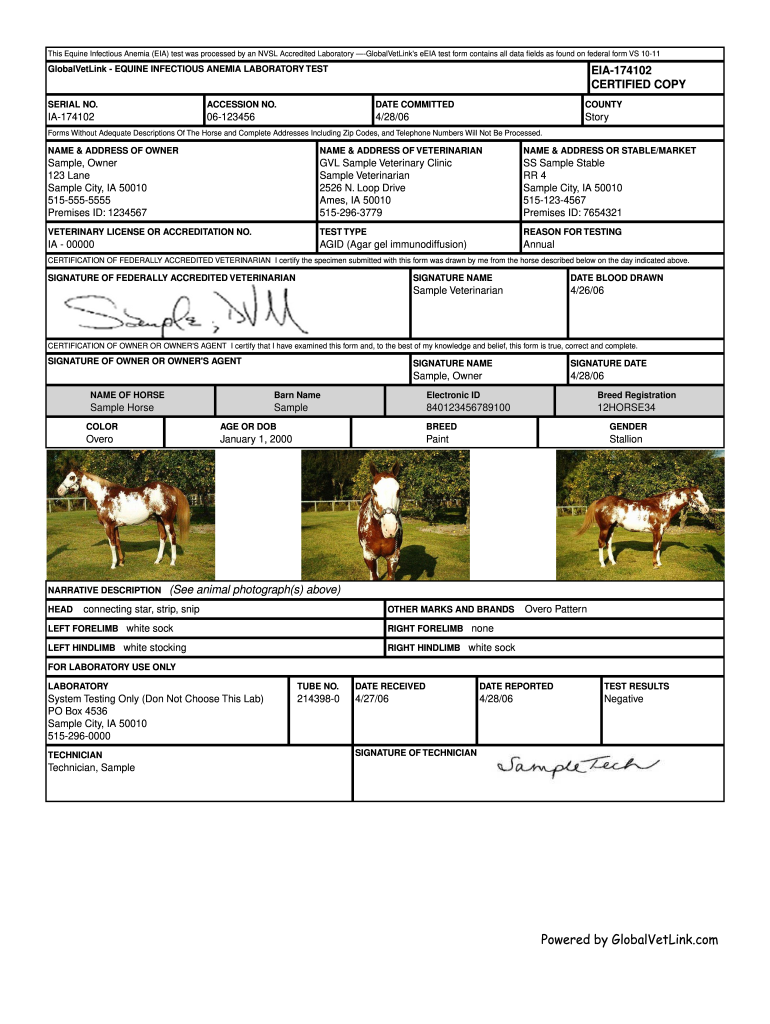
The blank coggins form is an official document used to certify that a horse has been tested for Equine Infectious Anemia (EIA), a serious viral disease affecting horses. The form is essential for ensuring animal health and safety, as EIA can be transmitted through blood. The certification is typically required for horses traveling across state lines, participating in competitions, or being sold. The form contains pertinent details about the horse, such as identification, ownership, veterinarian information, and test results, ensuring clear documentation of the horse's health status.
This form serves as a safeguard within the equine community, protecting both animal welfare and public health. A blank coggins form must be filled out by a licensed veterinarian who has conducted the EIA test, making it not only a health certificate but also a legal document that may be required in various situations.
How to Use the Blank Coggins Form
Using the blank coggins form involves several key steps to ensure its validity and proper completion.
- Obtain the Form: Start by acquiring a blank coggins form from an authorized source, such as a veterinary clinic or online platform offering coggins forms.
- Fill Out the Owner’s Information: Input the owner's details, including full name, address, and contact information.
- Complete Horse Identification: Provide specific details about the horse, such as breed, age, color, and any unique markings that aid identification.
- Veterinary Information and Test Results: Include the veterinarian's details who conducted the EIA test, along with the test result (positive or negative). The veterinarian must sign and date the form to validate it.
- Distribution: After completing the form, ensure that copies are provided to necessary parties, such as event organizers or state authorities, when transporting or selling the horse.
This process ensures that the coggins form serves its purpose effectively, facilitating safe travel and commerce in the equine sector.
Steps to Complete the Blank Coggins Form
Completing the blank coggins form requires careful attention to detail to ensure accuracy and compliance with legal standards. The following steps can guide users through the process:
- Gather Required Information: Collect all necessary information, including owner and horse details, as well as veterinarian information.
- Fill in Owner Details: Write the full name, address, and contact number of the horse owner in the designated fields. This section is crucial for any follow-up regarding the horse's health status.
- Add Horse Identification Information: Accurately enter the horse's identification details, including breed, color, and distinguishing features. A thorough description helps prevent any confusion during inspections.
- Veterinarian’s Section: The attending veterinarian must fill out their name, address, and license number. They are also required to record the date of the EIA test and whether it returned positive or negative.
- Verification and Signatures: The veterinarian must sign the completed form, validating it. Depending on the requirements, the owner may also need to sign, acknowledging receipt of the documentation.
- Distribution: Once the form is completed and signed, distribute copies to necessary parties, ensuring compliance with any specific requirements related to horse movement or placement.
Following these steps meticulously helps in maintaining proper records, ensuring compliance with health regulations, and safeguarding the well-being of equine companions.
Why Use the Blank Coggins Form
The blank coggins form is vital for several reasons within the equine industry:
- Health Monitoring: It provides essential documentation of a horse’s health status regarding EIA, protecting both the horse and any other horses with which it may interact.
- Legal Requirement: Many states mandate the completion of a coggins form for equine transportation, sales, or participation in events. Inadequate documentation can lead to penalties or confiscation of the horse.
- Facilitates Travel and Sales: The form eases the process of moving horses across state lines or selling them, as it is recognized nationwide. Having an up-to-date coggins form streamlines transactions and transit requirements.
- Increased Trust: For buyers and equine event organizers, an up-to-date coggins form fosters confidence in the horse's health and lowers the risk of disease transmission.
- Essential for Quarantine Prevention: Regular testing and proper documentation help in preventing outbreaks of EIA, enhancing the overall health management of equine populations.
Utilizing the blank coggins form is fundamental for responsible horse ownership and active participation in the equine community.
Important Terms Related to the Blank Coggins Form
Familiarizing oneself with key terms associated with the blank coggins form enhances understanding and facilitates compliance:
- Equine Infectious Anemia (EIA): A viral disease impacting horses, often referred to as "swamp fever," which can be fatal.
- Coggins Test: A blood test used to detect the presence of the EIA virus in horses. A negative result signifies that the horse is not infected.
- Certification: The process by which a horse's health status regarding EIA is confirmed through testing and documented via the coggins form.
- Veterinarian: A licensed professional responsible for conducting the EIA test and providing the required certification.
- Transport Certification: Documentation needed for the movement of horses across state lines, contingent upon the completion of the coggins form.
- Record Keeping: The practice of maintaining copies of the coggins form for future reference or regulatory compliance, vital for horse owners, veterinarians, and equine businesses.
Understanding these terms is essential for anyone involved in equine activities to ensure proper compliance and animal welfare.
Legal Use of the Blank Coggins Form
The legal implications surrounding the blank coggins form are significant, as various states have regulations that mandate its use.
- State Requirements: Different states may impose specific laws regarding the coggins test and the necessity of having an up-to-date coggins form when transporting horses. Stakeholders must familiarize themselves with these regulations to avoid legal repercussions.
- Enforcement Actions: Authorities may enact fines or confiscate horses if a proper coggins form is not presented upon demand, especially at events or border crossings.
- Liability Issues: A valid coggins form can protect owners from liability claims associated with the potential spread of EIA should their horse interact with other equines.
- Documentation Period: Most states require the coggins form to be renewed annually or biennially, ensuring ongoing compliance with health regulations. Regular testing is essential not just for thorough record-keeping, but also for the management of herd health.
Understanding the legal implications and maintaining compliance through proper use of the blank coggins form is crucial for horse owners, veterinary professionals, and event organizers.