






Definition and Purpose of the Bobcat Checklist
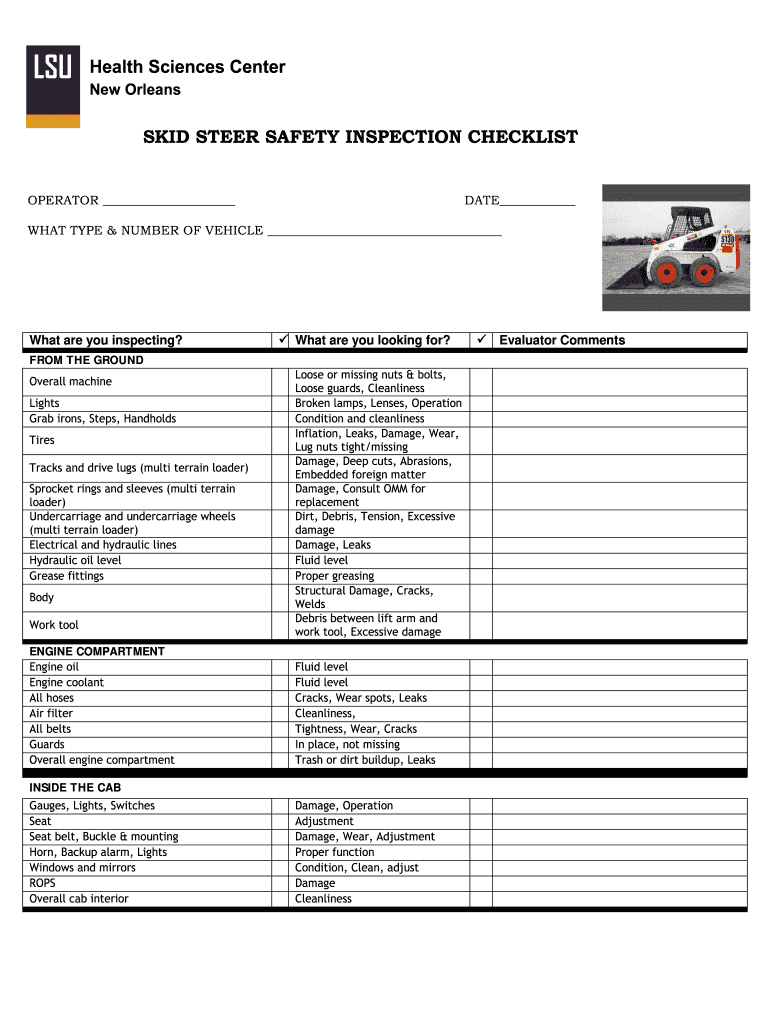
The bobcat checklist serves as a vital resource for ensuring the safety and operational efficiency of bobcat skid steer vehicles. This checklist is integral for operators, maintenance personnel, and safety inspectors to assess the condition and functionality of the machinery before it is put into operation. By following this checklist, users can identify potential issues that may affect performance or pose safety risks.
Key Components of the Bobcat Checklist
- Inspection Areas: The bobcat checklist typically addresses several key inspection areas:
- Overall machine condition
- Engine compartment status
- Hydraulic systems
- Tire condition and pressure
- Cab interior cleanliness and functionality
- Operational Checks: Operators should also verify the functionality of all controls, gauges, and safety features.
How to Use the Bobcat Checklist Effectively
To maximize the utility of the bobcat checklist, users should follow a systematic approach:
- Preparation: Ensure that all necessary tools and safety equipment are available. This includes personal protective gear and inspection tools.
- Conduct Visual Inspections: Thoroughly inspect each area as outlined in the checklist.
- Document Findings: Record any issues or irregularities noted during the inspection. This documentation is critical for maintenance tracking and safety compliance.
- Communicate Results: Share findings with supervisors or maintenance personnel, especially if repairs or further action is necessary.
Best Practices
- Perform daily inspections before starting work to catch issues early.
- Utilize the checklist in conjunction with safety regulations and operational guidelines.
How to Obtain the Bobcat Checklist
The bobcat checklist is typically available from several sources, making it accessible for users:
- Manufacturer Websites: Major bobcat manufacturers provide downloadable checklists that can be printed for easy use.
- Industry Standards Organizations: Associations in the construction and machinery sectors may offer standardized inspection checklists that comply with safety regulations.
- Online Resources: Various online platforms provide templates for the bobcat inspection checklist, including PDFs that can be filled out digitally.
Usage Variations
Users can adapt the checklist based on specific operational requirements or regulatory standards relevant to their region.
Steps to Complete the Bobcat Checklist
Effectively completing the bobcat checklist involves several structured steps:
-
Visual Inspection:
- Check the overall machine for signs of wear or damage.
- Inspect tires for adequate air pressure and tread depth.
- Review hydraulic lines and components for leaks or damage.
-
Operational Testing:
- Start the engine and listen for any unusual noises.
- Test all controls, ensuring they operate smoothly.
- Confirm that safety features, like backup alarms, function correctly.
-
Documentation:
- Fill out the checklist, marking any issues that need addressing.
- Include the date, time, and the name of the inspector for record-keeping.
- Report any significant concerns to the maintenance team promptly.
Importance of Thorough Completion
Thoroughly completing this checklist not only enhances the safety of operators but also prolongs the life of the equipment by identifying possible issues early.
Who Typically Uses the Bobcat Checklist
The bobcat checklist is utilized by a variety of stakeholders within the construction and agriculture sectors. Common users include:
- Equipment Operators: They rely on the checklist to ensure safety and readiness before operation.
- Safety Inspectors: Inspectors use this tool as a part of their regular safety assessments.
- Maintenance Personnel: Maintenance teams reference the checklist to identify areas requiring repair or servicing.
- Fleet Managers: They utilize insights from the checklist for tracking equipment conditions and planning maintenance schedules.


Diverse Applications
In addition to these primary users, anyone involved in the operational management of bobcat skid steers, such as project managers and safety coordinators, can benefit from the checklist.
Legal Use of the Bobcat Checklist
The bobcat checklist plays a crucial role in regulatory compliance and safety standards within the machinery operation sectors. Legal requirements can vary by state, but common aspects include:
- OSHA Compliance: The Occupational Safety and Health Administration mandates regular inspections of equipment, which can incorporate the use of the bobcat checklist.
- State Regulations: Local laws may require specific inspections for heavy machinery, necessitating the use of a standardized checklist.
Significance of Compliance
Using the checklist ensures that operators meet the essential legal standards, thereby minimizing liability and promoting workplace safety.
Key Elements of the Bobcat Checklist
The checklist must include specific components for it to be effective. Essential elements typically consist of:
- Identification Details: Including the machine’s serial number, model, and operational hours.
- Specific Inspection Criteria: Detailed instructions on what to inspect, such as safety features, engine conditions, and fluid levels.
- Space for Notes: An area for the inspector to include comments or recommendations regarding the maintenance needs discovered during inspection.
Examples of Essential Criteria
- Fluid Levels: Checking engine oil, hydraulic fluid, and coolant levels.
- Safety Features: Evaluating safety lights, brake functionality, and operator controls.
By ensuring that the bobcat checklist encompasses these key components, users can enhance their operational safety and compliance with industry standards.