
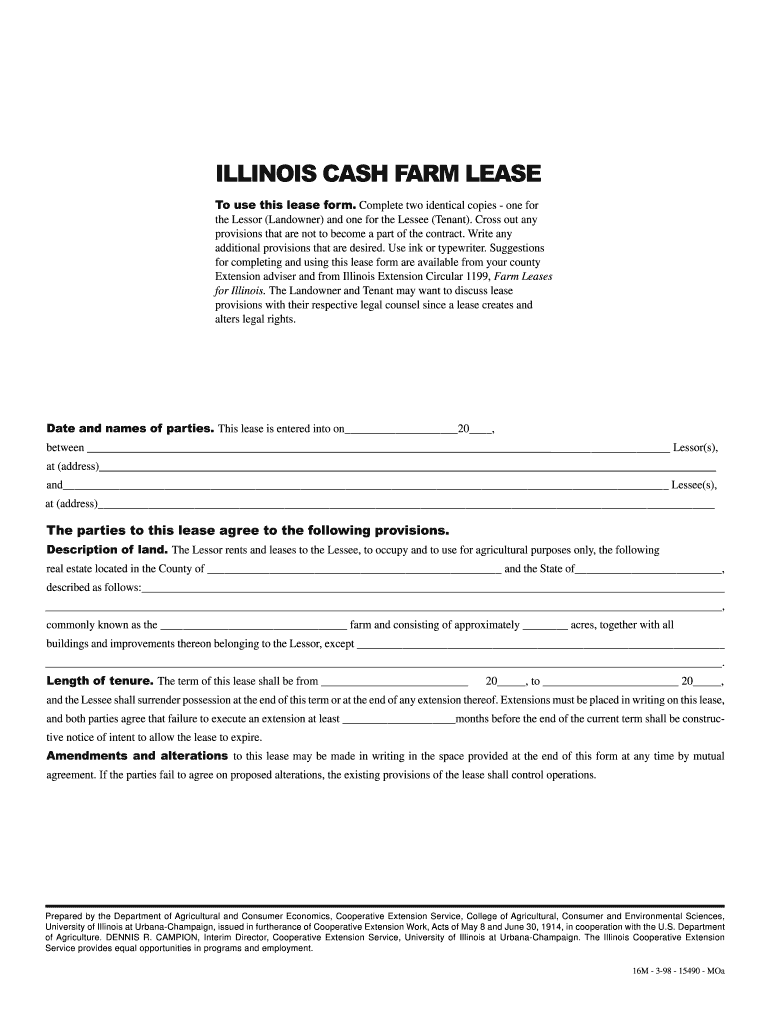





Comprehensive Overview of the 16M 3 98 15490 MOA Process
Definition & Meaning of the 16M 3 98 15490 MOA
The 16M 3 98 15490 MOA is a specific form used for various administrative purposes within organizations, particularly in military, government, or contract management environments. It serves as a contractual agreement or memorandum of agreement (MOA) that outlines the roles, responsibilities, and expectations of the parties involved. This form is critical for ensuring clarity in commitments and operational procedures.
- MOA Basics: An MOA serves as a means to facilitate cooperation between two or more parties, detailing how they will work together to achieve a common goal.
- Common Uses: MOAs can cover a wide range of topics from resource sharing to project collaboration, making them versatile in application across different sectors.
Steps to Complete the 16M 3 98 15490 MOA
Completing the 16M 3 98 15490 MOA involves several steps to ensure accuracy and compliance with regulatory standards.
- Identify Parties Involved: Clearly list all parties that will be entering into the agreement. This should include legal names and contact information.
- Define Objectives and Scope: Clearly articulate the purpose of the MOA, including specific tasks or responsibilities assigned to each party.
- Outline Terms and Conditions: Include important details like the start and end dates, conditions under which the agreement may be terminated, and dispute resolution procedures.
- Review Legal and Compliance Standards: Ensure that the agreement meets all relevant legal standards and complies with both federal and state regulations.
- Obtain Necessary Signatures: After thorough review, all parties should sign the document, with witnesses if required.
Completing these steps ensures that the MOA is not only operationally sound but also legally binding.
Important Terms Related to the 16M 3 98 15490 MOA
Understanding the specific terms related to the 16M 3 98 15490 MOA is crucial for effective communication and execution of the agreement.
- Agreement: A mutual understanding between parties that is documented and enforceable.
- Responsibilities: Duties that each party agrees to undertake as part of the collaboration.
- Termination Clause: A section that specifies conditions under which the agreement can be dissolved.
- Liability: The legal responsibility that each party holds in relation to the MOA.
Clarifying these terms benefits all stakeholders by preventing misunderstandings.
Who Typically Uses the 16M 3 98 15490 MOA
The 16M 3 98 15490 MOA is typically utilized by a wide range of entities, including:
- Government Agencies: Often used for inter-agency collaboration on projects or initiatives.
- Educational Institutions: Schools and universities may employ this form for partnerships, resource sharing, or joint programs.
- Non-Profit Organizations: Frequently used to establish agreements between organizations for shared missions and projects.
- Military: Utilized in various capacities to outline cooperation between different branches or units.
This broad utility highlights its significance in various fields.

Compliance and Legal Use of the 16M 3 98 15490 MOA
Ensuring compliance with legal requirements is essential when it comes to the 16M 3 98 15490 MOA. This section elaborates on the legal context and obligations.
- Legal Binding Nature: The MOA must be crafted in accordance with federal laws to ensure it is enforceable.
- Record Keeping: It is essential to keep accurate records of all documents and communications related to the MOA for accountability.
- Amendment Procedures: Parties should have a clearly defined process for making amendments to the MOA if circumstances change.
By adhering to legal principles, the parties ensure that the agreement is robust against potential disputes.
Examples of Using the 16M 3 98 15490 MOA
Practical examples help illustrate the use of the 16M 3 98 15490 MOA in real-world scenarios.
- Example 1: A local government agency partners with a university to conduct research. The MOA outlines the access to resources and data sharing.
- Example 2: Two non-profit organizations create an MOA to collaborate on a community outreach program, detailing funding responsibilities and deliverables.
- Example 3: A military project requires cooperation between multiple service branches, specified in an MOA to clarify roles and operational procedures.
These examples emphasize the practical application of the MOA across different contexts.
Key Elements of the 16M 3 98 15490 MOA
Highlighting the key elements of the form is essential for understanding its structure and function.
- Preamble: An introductory section that outlines the purpose of the MOA.
- Definitions: A section dedicated to clarifying terms used within the document.
- Terms of Agreement: This section details what is agreed upon, including tasks, deadlines, and responsibilities.
- Signatures: An area for all parties involved to sign, signifying their agreement to the terms laid out.
These elements create a comprehensive framework for cooperation.
Variation in State-Specific Rules for the 16M 3 98 15490 MOA
When utilizing the 16M 3 98 15490 MOA across different states, it is important to understand the variations in rules that may apply.
- State Regulations: Different states may have specific statutes that influence the content or execution of an MOA.
- Jurisdictional Considerations: MOAs involving parties in different states may require knowledge of both state laws and the principles of interstate agreements.
Understanding these differences is vital for ensuring enforceability and compliance with local laws.