
US Real Estate Law
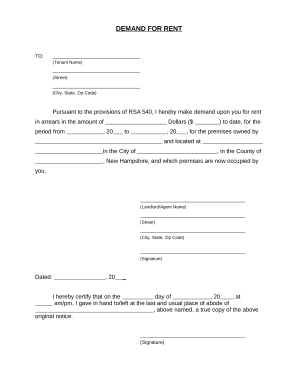
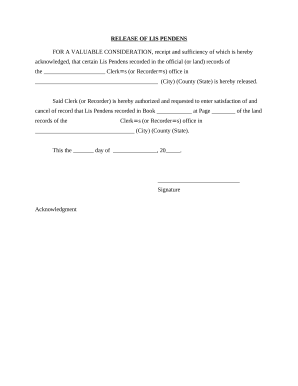
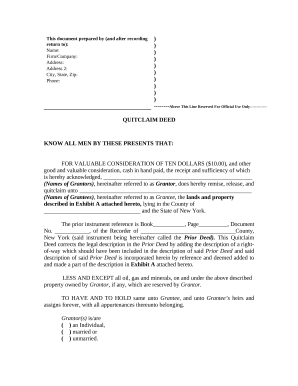
Increase your output with US Real Estate Law
Record managing takes up to half of your office hours. With DocHub, it is easy to reclaim your time and effort and boost your team's efficiency. Access US Real Estate Law collection and check out all document templates related to your day-to-day workflows.
The best way to use US Real Estate Law:
- Open US Real Estate Law and use Preview to obtain the suitable form.
- Click Get Form to start working on it.
- Wait for your form to upload in our online editor and start modifying it.
- Add new fillable fields, icons, and pictures, modify pages, and many more.
- Fill out your form or prepare it for other contributors.
- Download or share the form by link, email attachment, or invite.
Accelerate your day-to-day file managing with the US Real Estate Law. Get your free DocHub account today to discover all templates.
Video Guide on US Real Estate Law management

Commonly Asked Questions about US Real Estate Law
What is the best major for real estate law?
ing to the education requirements for real estate lawyers, a bachelors degree in law, business, accounting, journalism, or legal research and advanced professional studies is recommended.
Type of law What type of law is property law?
The Constitution protects property rights through the Fifth and Fourteenth Amendments Due Process Clauses and, more directly, through the Fifth Amendments Takings Clause: nor shall private property be taken for public use without just compensation. There are two basic ways government can take property: (1) outright 16. Property Rights and the Constitution | Cato Institute cato.org cato-handbook-policymakers pr cato.org cato-handbook-policymakers pr
What are the three types of property rights?
A property owner in California enjoys a number of rights collectively known as the bundle of rights. These five rights associated with owning real property are: (1) possession; (2) control; (3) exclusion; (4) enjoyment and (5) disposition.
What is real property law in the United States?
Real Property (Land Law) Overview Real property refers to land, including the land itself and any structures, fixtures, and rights associated with it. Land, in its general usage, includes not only the surface of the earth but also everything of a permanent nature over or under it, including structures and minerals.
What is the law commonly referred to as real estate law?
Some refer to this specialization as real property law. Real estate law covers titles, deeds, zoning, estate planning and property taxes. It governs ownership rights and the limitations to those rights stipulated by the government or agreements (e.g., leases, purchase agreements).
Governing law What law governs real property?
Property law, sometimes known as real estate law, deals with transactions related to residential and commercial property and covers specialist areas such as property finance, mortgage lending or social housing. What is property law? - The University of Law law.ac.uk legal-practice-areas property-law law.ac.uk legal-practice-areas property-law
Is property law federal or state?
United States property law is primarily an area of state law, although there are also federal laws (for example, on patents and copyright) and some local laws as well (on areas such as zoning and tenancy).
What is property law examples?
Property laws shape how we interact with our possessions and those of others. If youre a homeowner, you can renovate your house and yard. You also have the right to sell or destroy your personal belongings, such as cars and smartphones. However, you cant discard or sell someone elses property without permission.
What is the USA Patriot Act real estate?
Section 352(a) of the Patriotic Act requires persons involved in real estate closings and settlements to establish anti-money laundering programs to ensure they are not transacting with entities or individuals being sanctioned by the Treasury Departments Office of Foreign Assets Control (OFAC).