


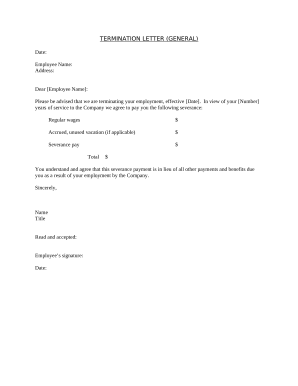
Enhance your template managing with Notification Letters
Your workflows always benefit when you can easily get all the forms and documents you need on hand. DocHub gives a a huge library of document templates to alleviate your everyday pains. Get hold of Notification Letters category and easily discover your document.
Begin working with Notification Letters in several clicks:
- Browse Notification Letters and get the document you require.
- Click on Get Form to open it in our editor.
- Begin adjusting your document: add more fillable fields, highlight paragraphs, or blackout sensitive information.
- The application saves your changes automatically, and once you are ready, you are able to download or share your file with other contributors.
Enjoy easy file management with DocHub. Explore our Notification Letters online library and discover your form today!
Video Guide on Notification Letters management

Commonly Asked Questions about Notification Letters
How do you write a notification message?
Heres a simple process for writing UX microcopy for notifications and alerts: Understand the context. Start by understanding the purpose of the notification or alert. Keep it concise. Provide context. Be clear and specific. Use a clear call-to-action. Consider the tone and voice. Test and refine.
What is a notification letter?
A letter of notification is sent to inform the recipient of important information.
What is written notification?
meanings of written and notification the act of telling someone officially about something, or a document, etc.
What does a notification letter mean?
A notification letter is a written document that informs someone about a certain event or situation. The letter must be clear and concise, and it must provide all the information the recipient needs to understand the situation.
What is the meaning of notification writing?
the act of telling someone officially about something, or a document, etc. that does this: You must give the bank (a) written notification if you wish to close your account.
What is notification writing?
: a written or printed matter that gives notice.
How do you write an informing letter?
Here are seven steps you can take to write an informative letter: Research your topic. Write your letter heading. Add the recipient information. Draft the body of the letter. Write a conclusion. Proofread your letter. Send your letter. Explain why the information matters.


