Increase your work productivity with Holographic will Canada Forms

Papers management consumes to half of your business hours. With DocHub, it is simple to reclaim your time and enhance your team's efficiency. Access Holographic will Canada Forms online library and discover all form templates relevant to your day-to-day workflows.

The best way to use Holographic will Canada Forms:

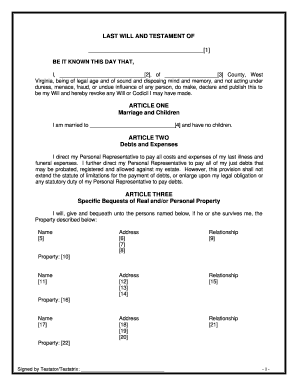
  1. Open Holographic will Canada Forms and use Preview to obtain the relevant form.
  2. Click on Get Form to begin working on it.
  3. Wait for your form to open in our online editor and start modifying it.
  4. Add new fillable fields, icons, and images, change pages order, etc.
  5. Fill your form or prepare it for other contributors.
  6. Download or deliver the form by link, email attachment, or invite.

Improve your day-to-day file management using our Holographic will Canada Forms. Get your free DocHub profile right now to discover all templates.

Video Guide on Holographic will Canada Forms management

video background

Commonly Asked Questions about Holographic will Canada Forms

No one should write anything else or fill in any blanks on the Will. The Will must be dated and signed. The handwriting must be legible and the words as clear as possible. The Will must state clearly what assets are being left to whom.
You can write a will yourself in Canada. There is no requirement to visit a lawyer or use a specific method of creating your will. From online wills to will kits, or even hand writing your will - there are many ways to make a will yourself in Canada that are 100% legal.
Holographic wills, also called handwritten wills, are accepted in California. To be valid, a holographic will must: Be written entirely in your handwriting and signed by you. Be written while you were of sound mind, and not under pressure from someone else.
Holographic Will requirements It must be written entirely by the testator, in their handwriting. It needs to be legible. The testator needed to be mentally capable of writing the Will at the time. Estate wishes need to be made clear, including designating beneficiaries for property.
A holographic will requires a writing, signed by the testator, with the material provisions in the testators handwriting, and testamentary intent.
Here are the most common reasons theyre disputed in probate court: Suspicion that someone else wrote the will. Pressure from another party to write the will in a specific way. Doubt about the mental capacity of the testator (aka the person who wrote the will)
One of the most common problems with holographic wills is ambiguity. The intended meaning may have been clear to the testator, but those who are reading the will can be left with great confusion over the testators true intentions.
The Basic Requirements: The document should be completely in the handwriting of the person making the Will. The Will must be dated and signed. The handwriting must be legible and the words as clear as possible. The Will must state clearly what assets are being left to whom.