







Definition & Meaning
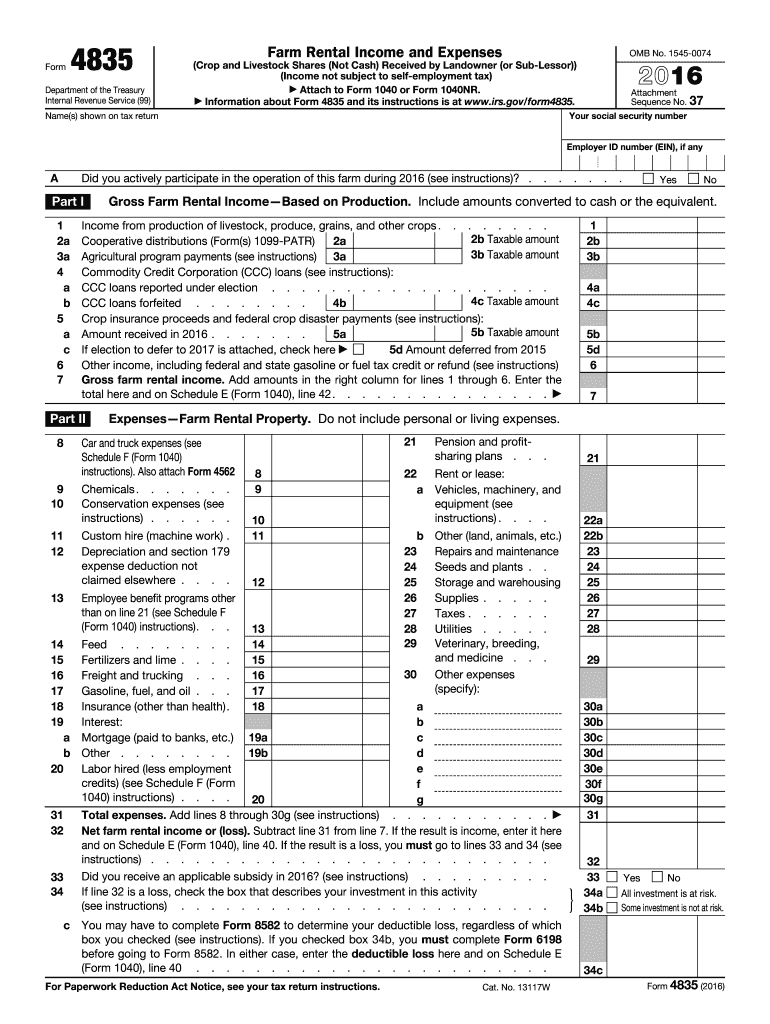
The US Individual Income Tax Return 2018 is a form used by taxpayers in the United States to declare their income, calculate taxes owed or refunds due, and report other pertinent financial data for the tax year 2018. It serves as a comprehensive record of an individual's financial activities, allowing the Internal Revenue Service (IRS) to assess tax liabilities accurately. The form is identified by its Office of Management and Budget (OMB) number, 1545, that signifies its official approval for use.
This document is crucial for individuals to communicate their taxable income details to the federal government, ensuring transparency and compliance with tax laws. It is essential for not only calculating taxes but also for determining eligibility for various credits and deductions.
Key Elements of the US Individual Income Tax Return 2018
The form consists of several critical sections designed to capture necessary taxpayer information:
- Personal Information: This section requires details such as the taxpayer’s name, Social Security number, and filing status.
- Income Details: A comprehensive list of all income sources, including wages, salaries, dividends, and rental income.
- Deductions and Credits: Taxpayers can list deductions such as mortgage interest or charitable contributions that lower taxable income.
- Tax Calculation: The section where tax liability is determined after adjustments and credits.
- Payment Details or Refunds: Specifies how much the taxpayer owes or is refunded, and includes payment options.
Each of these sections contributes to the accurate assessment of a taxpayer’s financial responsibility for the year.
Steps to Complete the US Individual Income Tax Return 2018
Filing the tax return involves a sequence of precise steps to ensure correctness:
- Gather Required Documents: Collect W-2s, 1099s, and other financial records that report income and potential deductions.
- Complete the Personal Information Section: Fill in all initial details accurately to avoid errors.
- Record All Income: Input all taxable income data as per provided documents.
- List Deductions and Credits: Use appropriate forms or schedules to detail all eligible deductions and credits.
- Calculate Taxes Owed or Refunds Due: Utilize the IRS tax tables to compute the accurate taxes or refund amounts.
- Submit the Form: File electronically or mail the completed form to the IRS.
Completing these steps thoroughly and accurately is essential to ensure compliance and to leverage all applicable benefits.
Required Documents
For completing the 2018 tax return, several documents are essential to have on hand:
- W-2 Forms: Issued by employers to report salary income.
- 1099 Forms: Cover other income types such as interest, dividends, freelance earnings, and more.
- Previous Year’s Tax Return: Useful for reference and consistency checks.
- Proof of Expenses or Deductions: Receipts or statements for medical expenses, mortgage interest, donations, etc.
- Social Security Numbers: Necessary for taxpayers, spouses, and dependents.
These documents form the backbone of the filing process and ensure accurate reporting of the taxpayer's financial status.
Legal Use of the US Individual Income Tax Return 2018
The 2018 tax return form is used within the legal framework set by the IRS and serves multiple purposes:
- Compliance: Ensures taxpayers adhere to federal tax laws by reporting income and claiming eligible deductions.
- Validation: Acts as legal proof of annual income and financial activities.
- Credit and Loan Applications: Offers a detailed financial snapshot necessary for financial institutions when assessing creditworthiness.
The accurate completion and filing of this form is a legal obligation for eligible taxpayers.
Filing Deadlines / Important Dates
For 2018, the tax filing deadline was April 15, 2019. Taxpayers were expected to submit their returns by this date to avoid penalties unless an extension was filed, which could buy additional time, typically until October 15, 2019. It's crucial for taxpayers to adhere to these deadlines to prevent accruing interest and penalties on unpaid taxes.
Digital vs. Paper Version
Taxpayers have the option to file their returns either digitally or on paper, each with its benefits and considerations:
- Digital Filing: Offers faster processing, confirmation of receipt, and is environmentally friendly. Platforms like TurboTax and QuickBooks provide software compatibility for ease of filing.
- Paper Filing: Preferred by some for physical records but involves mailing delays and does not provide instant receipt confirmation.
Both methods require accuracy and completeness in every detail outlined on the form.
Taxpayer Scenarios
Different taxpayer backgrounds influence how Form 1040 is completed:
- Self-Employed Individuals: Must include Schedule C(Profit or Loss from Business) and possibly Schedule SE for self-employment tax.
- Retirees: Report pension distributions, Social Security benefits, and possibly minimum required distributions from retirement plans.
- Students: May claim education credits and report scholarship income.
These scenarios highlight the form’s adaptability to diverse income sources and personal financial circumstances.


IRS Guidelines
The IRS provides a comprehensive set of guidelines and instructions for filling out Form 1040 for 2018, covering topics such as:
- Eligibility for Certain Credits: In-depth explanations on earned income credits, child tax credits, etc.
- Deduction Limitations: Clarifies high-level limits and restrictions on deductible items.
- Reporting Standards: Guidelines on income type categorizations and specific reporting instructions.
Following these guidelines ensures compliance and maximizes the accurate determination of tax liabilities.




