



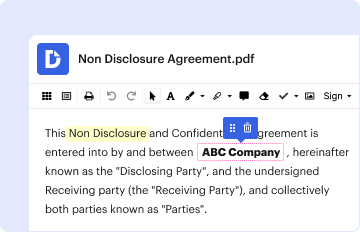
01. Edit your form online
Type text, add images, blackout confidential details, add comments, highlights and more.

Type text, add images, blackout confidential details, add comments, highlights and more.
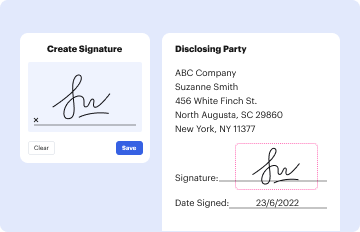
Draw your signature, type it, upload its image, or use your mobile device as a signature pad.
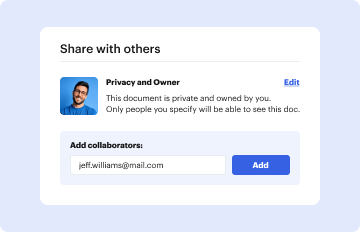
Send it via email, link, or fax. You can also download it, export it or print it out.
The Form 990-E is an essential document used by private schools in the United States to report their compliance with nondiscriminatory policies. This form is required by the Internal Revenue Service (IRS) and helps ensure that educational institutions maintain practices that are fair and equitable. By completing this form, schools disclose information about their admission procedures, scholarship programs, and faculty employment practices, providing a clear illustration of their adherence to principles of racial nondiscrimination.
Filling out the Form 990-E requires meticulous attention to detail. Below are the structured steps for completion:
Accessing the 2019 Form 990-E is straightforward and can be done as follows:
Understanding the primary components of the Form 990-E is crucial for accurate completion:
Adhering to IRS guidelines is essential for compliance:
Timeliness in filing is critical for nonprofit organizations:
The form is aimed primarily at:


Employing the Form 990-E ensures:
The form serves as a legal document asserting compliance with federal nondiscrimination mandates:
Leveraging modern tax software can simplify completion and submission:
Utilizing these systems offers an efficient approach, ensuring a school can focus on its primary educational mission without overburdening administrative resources.
We've got more versions of the 2019 990 e form form. Select the right 2019 990 e form version from the list and start editing it straight away!
| Versions | Form popularity | Fillable & printable |
|---|---|---|
| 2024 | 4.7 Satisfied (48 Votes) | |
| 2023 | 4.4 Satisfied (36 Votes) | |
| 2022 | 4.1 Satisfied (53 Votes) | |
| 2021 | 4.8 Satisfied (72 Votes) | |
| 2020 | 4.3 Satisfied (97 Votes) | |
| 2019 | 4.2 Satisfied (103 Votes) | |
| 2018 | 4.2 Satisfied (24 Votes) | |
| 2017 | 4.4 Satisfied (248 Votes) | |
| 2016 | 4.4 Satisfied (181 Votes) | |
| 2015 | 4.3 Satisfied (169 Votes) |
At DocHub, your data security is our priority. We follow HIPAA, SOC2, GDPR, and other standards, so you can work on your documents with confidence.
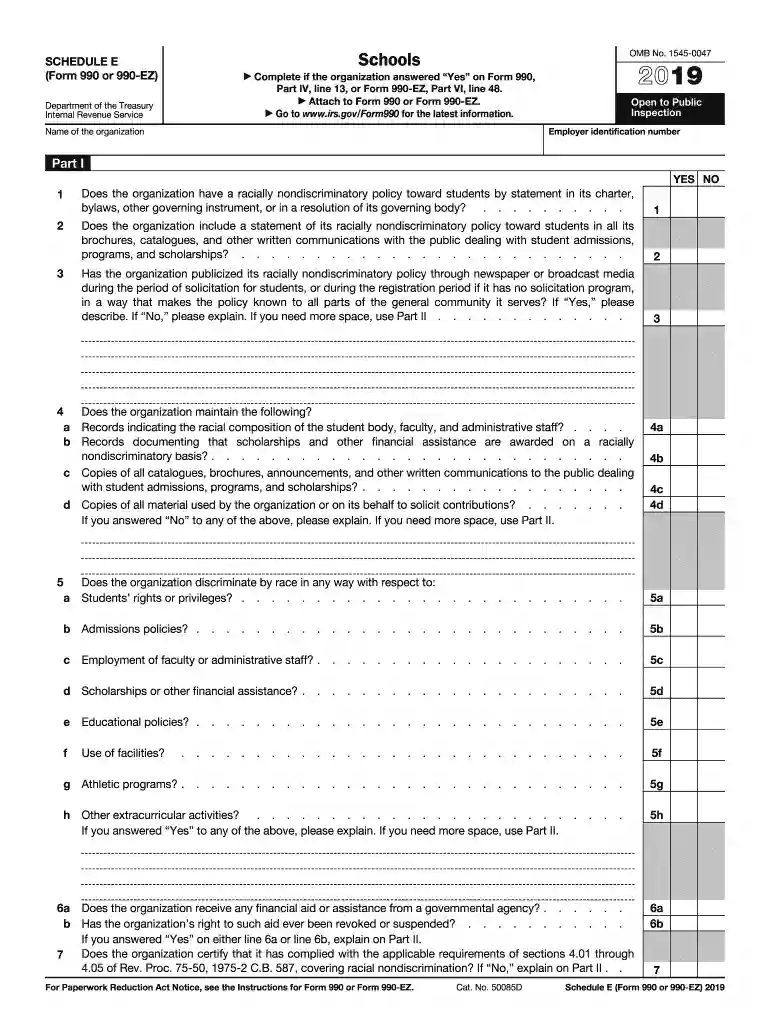
1. Does the organization have a racially nondiscriminatory policy toward students by statement in its charter, bylaws, other governing instrument,Read more
We discussed the vision and direction of the ministry and ways to increase the impact and sustainability of our programs. Page 3. Form 990 (2019). Page 3. PartRead more


