



01. Edit your form online
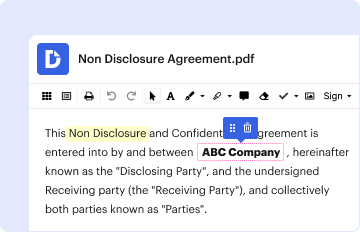
Type text, add images, blackout confidential details, add comments, highlights and more.

Type text, add images, blackout confidential details, add comments, highlights and more.
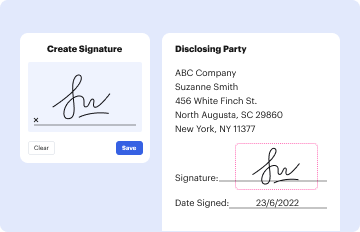
Draw your signature, type it, upload its image, or use your mobile device as a signature pad.
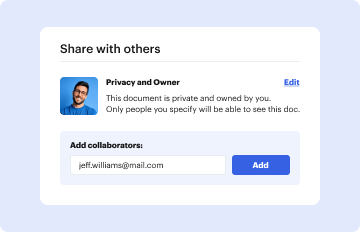
Send it via email, link, or fax. You can also download it, export it or print it out.
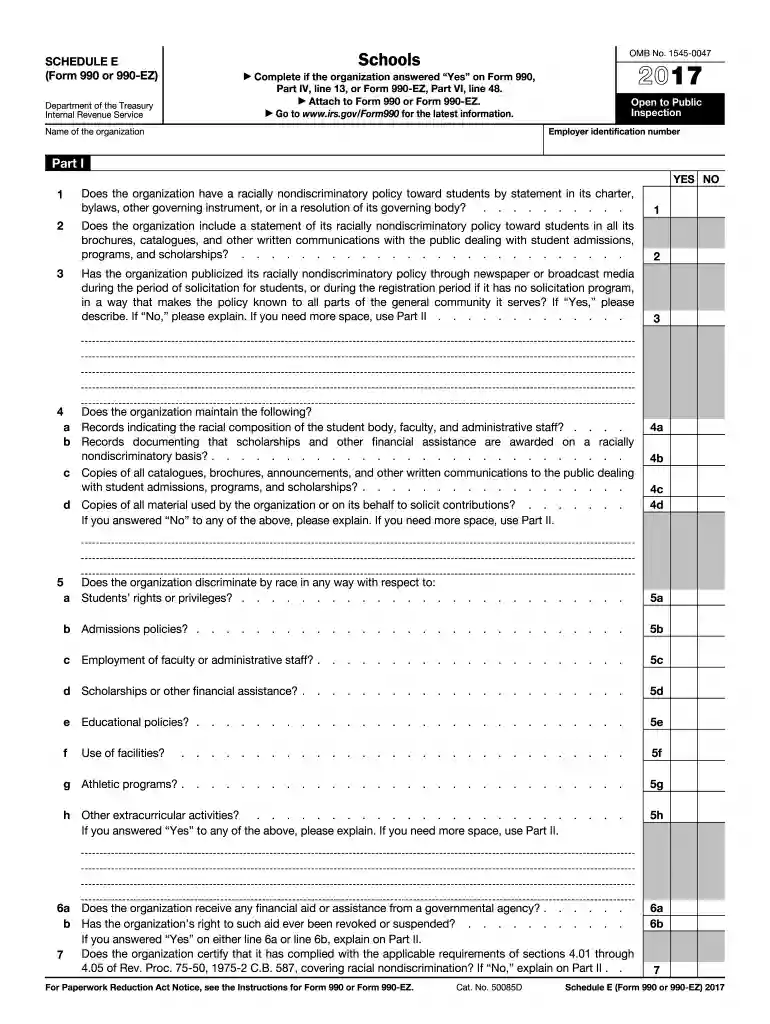
The 2018 Schedule E (Form 990 or 990-EZ) is a supplemental form required by the IRS for organizations that classify as private schools. This document helps ensure these schools comply with federal racially nondiscriminatory policies. The form includes critical questions about the school's admissions processes, public communication of their nondiscrimination policies, and the maintenance of records to confirm compliance.
To properly use the 2018 Schedule E, schools must carefully fill out each section to demonstrate adherence to IRS nondiscriminatory standards. This involves accurately reporting admissions procedures and public communication efforts regarding nondiscrimination. It's vital for schools to provide truthful and complete information, as inaccuracies may result in penalties or loss of tax-exempt status.
This form is primarily used by private educational institutions in the United States that are seeking to maintain their tax-exempt status. To qualify, these schools must show compliance with nondiscriminatory admission policies towards students.


Schools must legally use the 2018 Schedule E to maintain alignment with IRS regulations regarding tax exemption. Failure to comply with these regulations can lead to penalties, including potential revocation of tax-exempt status. The form’s content provides legal evidence supporting a school's claim to meet nondiscriminatory obligations.
The IRS provides clear guidelines on completing and submitting Schedule E. These guidelines include detailed instructions to ensure every section accurately reflects the school's policies and procedures. It is crucial for schools to adhere to these guidelines strictly to avoid discrepancies, which can lead to investigations or penalties.
Organizations must submit the Schedule E together with Form 990 or 990-EZ by the 15th day of the 5th month following the end of the organization's accounting period. For the calendar year, the typical deadline is May 15. Schools should plan ahead to ensure all relevant information is gathered well before this date to avoid late submission penalties.
Schools need supporting documents to complete Schedule E, including:
These documents help provide a thorough and verifiable description of the institution’s adherence to nondiscriminatory policies.
We've got more versions of the 2018 Schedule E (Form 990 or 990-EZ). Schools form. Select the right 2018 Schedule E (Form 990 or 990-EZ). Schools version from the list and start editing it straight away!
| Versions | Form popularity | Fillable & printable |
|---|---|---|
| 2024 | 4.7 Satisfied (48 Votes) | |
| 2023 | 4.4 Satisfied (36 Votes) | |
| 2022 | 4.1 Satisfied (53 Votes) | |
| 2021 | 4.8 Satisfied (72 Votes) | |
| 2020 | 4.3 Satisfied (97 Votes) | |
| 2019 | 4.2 Satisfied (103 Votes) | |
| 2018 | 4.2 Satisfied (24 Votes) | |
| 2017 | 4.4 Satisfied (248 Votes) | |
| 2016 | 4.4 Satisfied (181 Votes) | |
| 2015 | 4.3 Satisfied (169 Votes) |
At DocHub, your data security is our priority. We follow HIPAA, SOC2, GDPR, and other standards, so you can work on your documents with confidence.
2 ~ A school described in section 170(b)(1)(A)(ii). (Attach Schedule E (Form 990 or 990-EZ).) 3 ~ A hospital or a cooperative hospital service organizationRead more
Purpose of Schedule. Schedule E (Form 990 or 990-EZ) is used by an organization that files Form 990 or Form 990-EZ to report information on private schools.Read more


