



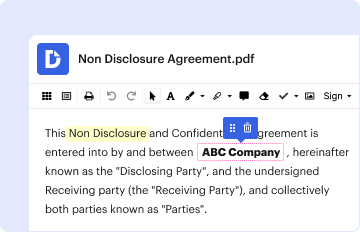
01. Edit your form online
Type text, add images, blackout confidential details, add comments, highlights and more.

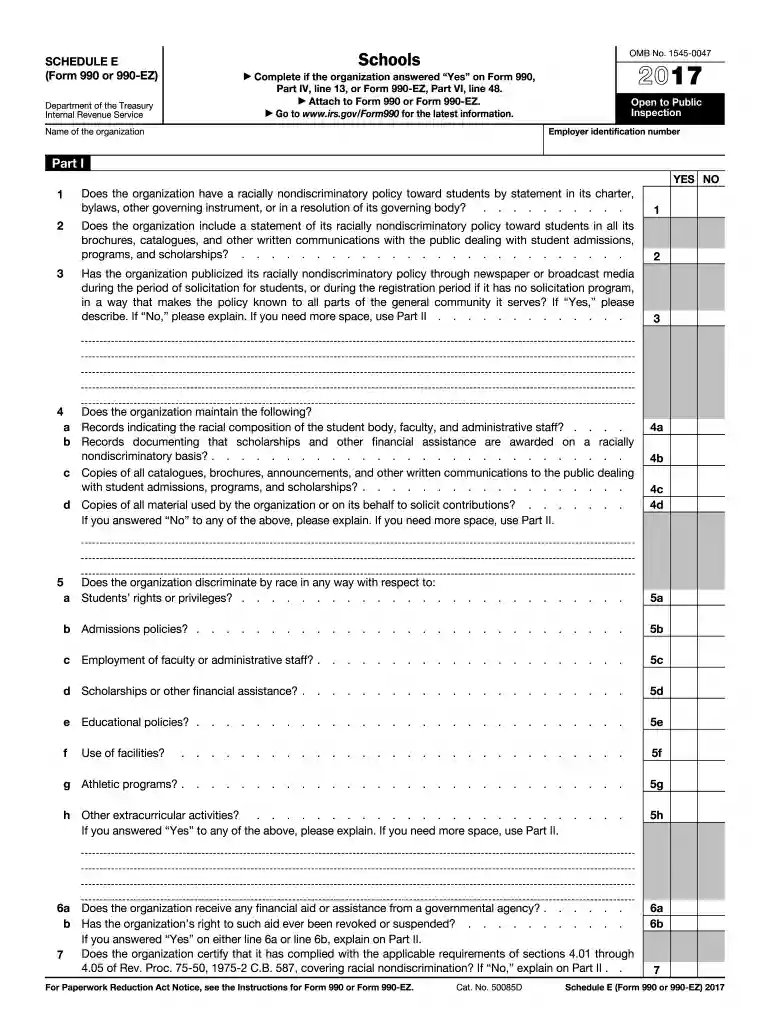
Type text, add images, blackout confidential details, add comments, highlights and more.
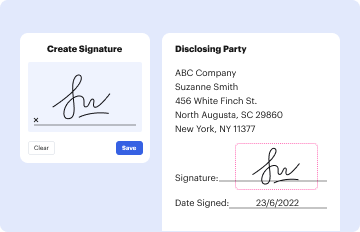
Draw your signature, type it, upload its image, or use your mobile device as a signature pad.
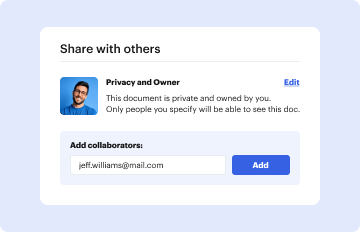
Send it via email, link, or fax. You can also download it, export it or print it out.
Schedule I (Form 990 or 990-EZ) is a supplemental form used by tax-exempt organizations to provide additional information about their financial distributions and grant activities. It supports transparency and accountability by detailing grants made by the organization to other entities. The form ensures compliance with IRS requirements by identifying recipients, amounts given, and purposes of grants. Typically, organizations that file Form 990 or 990-EZ and engage in grantmaking use Schedule I to disclose specific financial transactions and grant-related information.
To use Schedule I effectively, an organization should begin by gathering comprehensive details about all grant transactions conducted within the fiscal year. This includes details of each grantee, amounts granted, and the purpose of the funds. Once collected, the organization should complete the form by entering precise information into each relevant section. Additionally, it is important to review the completed form to ensure that all reported activities align with IRS requirements and the organization’s mission.
The form can be obtained from the IRS website, where it is available for download in a PDF format. Alternatively, tax preparation software often includes Schedule I, Streamlining the filling process by auto-populating data from other sections when available. To request a paper version, organizations may contact the IRS directly for mailing options. Professionals or consultants specializing in nonprofit taxation can also provide access to these forms as part of their service offerings.
Primarily, tax-exempt organizations engaged in grantmaking activities or that distribute funds to other entities are required to file Schedule I. This includes public charities, private foundations, educational institutions, and other nonprofit entities that support external initiatives financially. By filing Schedule I, these organizations demonstrate their commitment to transparency and compliance with federal regulations governing tax-exempt status.

Schedule I should be filed as part of the annual Form 990 or 990-EZ, due on the 15th day of the fifth month after the organization’s fiscal year ends. If the fiscal year aligns with the calendar year, the deadline generally falls on May 15. Organizations expecting delays must file for an extension using Form 8868, granting an additional six months for submission. Timely filing is critical to avoid penalties and to ensure tax-exempt status is maintained.
Failure to file Schedule I when required, or filing it incorrectly, can result in significant penalties, including financial sanctions and potential revocation of tax-exempt status. Penalties typically depend on the size of the organization and the length of delay. The IRS may impose daily fines until the errors are corrected, highlighting the importance of accurate and timely form completion. Engaging with tax professionals may help mitigate risks associated with non-compliance.
The IRS guidelines for Schedule I emphasize completeness and accuracy in reporting all grants and similar distributions. Organizations are instructed to provide detailed breakdowns of each transaction, clarify fund usage, and align the organization's actions with its mission. The IRS offers compatible fields for electronic filing that facilitate simpler input and verification processes, enhancing the efficiency for organizations using digital tools to prepare the forms.
We've got more versions of the schedule i 990 ez 2018 form. Select the right schedule i 990 ez 2018 version from the list and start editing it straight away!
| Versions | Form popularity | Fillable & printable |
|---|---|---|
| 2024 | 4.7 Satisfied (48 Votes) | |
| 2023 | 4.4 Satisfied (36 Votes) | |
| 2022 | 4.1 Satisfied (53 Votes) | |
| 2021 | 4.8 Satisfied (72 Votes) | |
| 2020 | 4.3 Satisfied (97 Votes) | |
| 2019 | 4.2 Satisfied (103 Votes) | |
| 2018 | 4.2 Satisfied (24 Votes) | |
| 2017 | 4.4 Satisfied (248 Votes) | |
| 2016 | 4.4 Satisfied (181 Votes) | |
| 2015 | 4.3 Satisfied (169 Votes) |
At DocHub, your data security is our priority. We follow HIPAA, SOC2, GDPR, and other standards, so you can work on your documents with confidence.
Jan 2, 2019 Calendar year. Use the 2018 Form 990-EZ to report on the. 2018 calendar year accounting period. A calendar year accounting period begins onRead more
L Add lines 5b, 6c, and 7b to line 9 to determine gross receipts. If gross receipts are $200,000 or more, or if total assets (Part II,.
Calendar year (or fiscal year beginning in). (a) 2018. (b) 2019. (c) 2020. (d) 2021. (e) 2022. (f) Total. 7. Amounts from line 4 . . . . . . 8. Gross incomeRead more


