Understanding the F1310301 Application for Disabled Person License in Tennessee
The F1310301 form is a critical document for individuals seeking to obtain a Disabled Person License Plate in Tennessee. This application is part of the state's initiative to support mobility for individuals with disabilities by providing specific parking privileges. Understanding the nuances of this form ensures a successful application and helps maintain compliance with state regulations.
Definition and Purpose
The F1310301 form is designed to facilitate the issuance of Disabled Person License Plates in the state of Tennessee. This license plate allows individuals with qualifying disabilities to access designated parking spaces, enhancing their mobility and convenience. The form is integral to verifying an applicant's eligibility based on their medical condition as defined by Tennessee law.
Eligibility Criteria
To qualify for a Disabled Person License Plate, applicants must meet specific criteria outlined by the state:
- Medical Condition: The applicant must have a condition that severely impairs mobility. This typically includes, but is not limited to, loss of the use of one or both legs, legal blindness, or any other condition as prescribed by a licensed physician that impedes mobility.
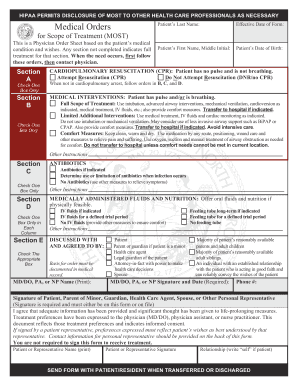
- Certification: A licensed physician, podiatrist, or other authorized medical professional must certify the applicant’s disability on the application form.
- Resident Requirements: The applicant must be a legal resident of Tennessee.


Required Documents
Applicants must collect and provide specific documents to ensure their application is processed efficiently:
- Completed F1310301 Form: All sections of the form should be filled out accurately.
- Medical Certification: Certification from a qualified medical professional must be included, clearly detailing the nature of the disability.
- Proof of Identity and Residency: Acceptable documents include a Tennessee driver’s license or state-issued identification card.
- Vehicle Documentation: Proof of vehicle ownership or lease agreement may be required for the license plate issuance.
Steps to Complete the F1310301 Form
- Acquire the Form: Obtain the F1310301 form from the Tennessee Department of Revenue website or a local DMV office.
- Fill Personal Information: Complete the sections requesting personal details, such as name, address, and contact information.
- Obtain Medical Certification: Schedule a visit with an authorized medical professional to fill out and certify the medical information portion of the form.
- Review and Verify: Double-check all information for accuracy and ensure all required fields and certifications are complete.
- Submit the Application: Options for submission include mailing to the specified department address, delivering in-person to a local DMV office, or using available online submission portals where applicable.
Obtaining Approval and Issuance
Once submitted, the Department of Revenue reviews the application. Typically, processing time may vary, so applicants should allow sufficient time before the actual need for the license plate arises. Upon approval, the state will issue the Disabled Person License Plate, granting the holder specific parking privileges.
Usage and Legal Compliance
The Disabled Person License Plate provided through this form must be used in accordance with Tennessee state laws, including:
- Authorized Parking Spaces: The license plate grants access only to legally designated disabled parking spaces.
- Non-transferability: The license plate is specific to the individual and vehicle mentioned in the application; it cannot be transferred to another person or vehicle.
- Renewal and Updates: Regular renewals and updates to the plate are required, especially if there are changes in the individual's medical condition or vehicle details.
Penalties for Non-Compliance
Misuse of the Disabled Person License Plate can result in severe penalties, including fines, revocation of parking privileges, and other legal actions. It is essential for applicants to understand that the plate is for personal use only, in line with the restrictions and guidelines specified by the Tennessee Department of Revenue.
Important Considerations
- State-Specific Rules: Tennessee may have unique requirements for disabled licenses that differ from other states, making it essential for applicants to familiarize themselves with local regulations.
- Digital Resources: For ease of access, forms and additional resources are available online, providing detailed information and guidance.
- Updating Information: Promptly update any personal or vehicle-related information to avoid issues with the validity of the plate.
By ensuring that each section of the F1310301 Application for Disabled Person License Plate is completed correctly and by adhering to all regulatory requirements, individuals can benefit from the conveniences provided by this essential document.