



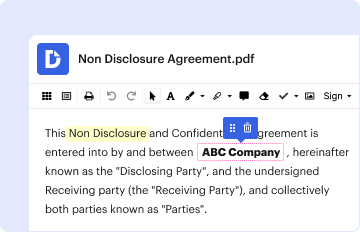
01. Edit your form online
Type text, add images, blackout confidential details, add comments, highlights and more.

Type text, add images, blackout confidential details, add comments, highlights and more.
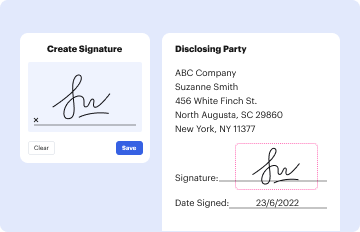
Draw your signature, type it, upload its image, or use your mobile device as a signature pad.

Send it via email, link, or fax. You can also download it, export it or print it out.
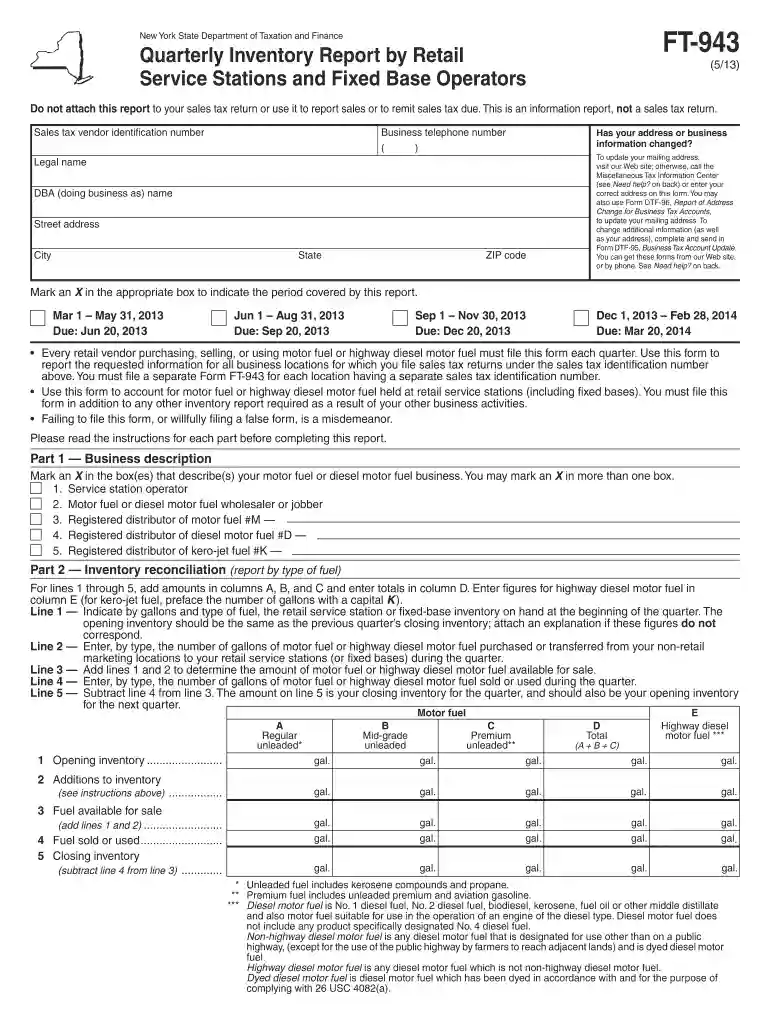
The FT form, officially known as the FT-943 Quarterly Inventory Report for Retail Service Stations and Fixed Base Operators, is issued by the New York State Department of Taxation and Finance. This form is essential for retail vendors, particularly those involved in handling motor fuels, as it mandates the reporting of inventory details for both motor fuel and highway diesel motor fuel on a quarterly basis. The form serves to keep track of inventory records, ensuring compliance with state regulations and providing the authorities with necessary data for oversight.
Business Description: Start by accurately filling out the section that requires your business's legal name, address, and the identification number provided by the state.
Inventory Reconciliation:
Summary of Purchases:
Review & Submission: Double-check all entries for accuracy before submission to avoid penalties. Ensure you understand the filing deadline, as lateness can incur fees.
The FT form can be accessed directly from the official New York State Department of Taxation and Finance website. Alternatively, physical copies can be requested if you are registered with the department and have indicated a preference for mailed correspondences. Ensure you have the latest version of the form to comply with any updates or changes in regulations.
Business entities typically involved are retail service stations and fixed base operators in New York State, dealing in motor fuel and highway diesel fuels. Such entities are mandated to submit inventory data quarterly to adhere to state tax requirements.


The FT-943 form is due quarterly, aligning with the fiscal quarters: January-February-March, April-May-June, July-August-September, and October-November-December. Each quarter's form is due by the 20th day of the month following the end of the quarter. Timely submission is crucial to avoid penalties.
The data collected through this form assists the New York State Department of Taxation and Finance in monitoring taxable motor fuel inventories within the state. It is not a sales tax return but an informational report aimed at ensuring accurate and timely tax compliance for businesses involved.
Failure to submit the FT-943 on time or providing incorrect information can result in financial penalties. These fines can include a significant sum per day of lateness and additional interest charges. Accurate reporting helps avoid such complications.
The digital version of the FT-943 form is available for those who prefer electronic submission, facilitating faster processing and easier access to help guides within the portal. The paper version remains an option for businesses less inclined towards digital solutions; however, adherence to the same deadline rules applies.
Choosing the appropriate format largely depends on the business’s operational setup and comfort with digital processes.
Retail service stations that frequently handle larger volumes of motor fuels and have complex inventory management systems benefit significantly from the comprehensive inventory tracking facilitated by the FT-943 form. It aids in maintaining thorough records and aligns business operations with state compliance requirements.
We've got more versions of the ft 943 2013 form form. Select the right ft 943 2013 form version from the list and start editing it straight away!
| Versions | Form popularity | Fillable & printable |
|---|---|---|
| 2025 | 4.5 Satisfied (52 Votes) | |
| 2024 | 4.5 Satisfied (27 Votes) | |
| 2023 | 4.7 Satisfied (37 Votes) | |
| 2022 | 4.9 Satisfied (45 Votes) | |
| 2021 | 4.9 Satisfied (30 Votes) | |
| 2020 | 4.3 Satisfied (70 Votes) | |
| 2019 | 4.3 Satisfied (62 Votes) | |
| 2018 | 4.4 Satisfied (219 Votes) | |
| 2016 | 4.4 Satisfied (52 Votes) | |
| 2015 | 4.4 Satisfied (404 Votes) | |
| 2015 | 4 Satisfied (54 Votes) | |
| 2014 | 4.2 Satisfied (66 Votes) | |
| 2013 | 4 Satisfied (27 Votes) | |
| 2011 | 4.1 Satisfied (75 Votes) | |
| 2002 | 4 Satisfied (21 Votes) |
At DocHub, your data security is our priority. We follow HIPAA, SOC2, GDPR, and other standards, so you can work on your documents with confidence.
Number of locations Indicate the number of locations in New York State at which you make retail sales of motor fuel or highway.Read more
THE FOLLOWING RESTRICTIONS APPLY TO ALL FIELDS. This well shall be completed and produced in compliance with applicable special field or statewide spacing


