







Definition and Purpose of Form W-10
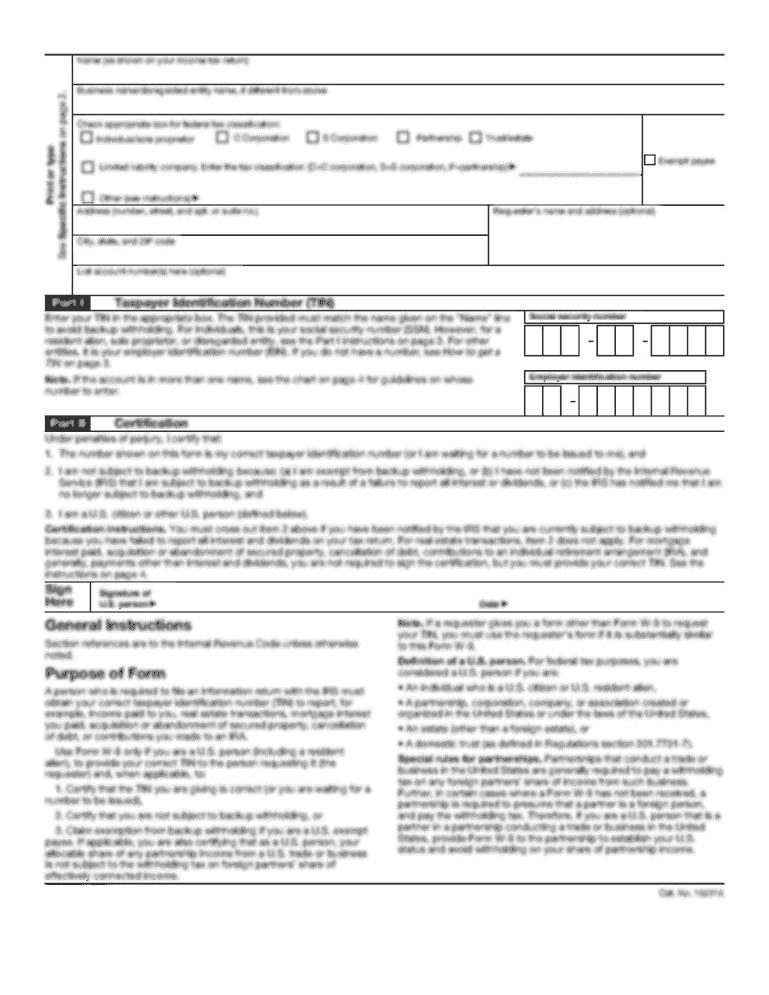
Form W-10, officially known as the "Dependent Care Provider’s Identification and Certification," is used by taxpayers to collect and verify the taxpayer identification information of care providers. This form plays a vital role for individuals claiming child and dependent care expenses on their federal tax returns. It ensures accurate reporting of taxpayer identification numbers (TINs) for the care providers involved and establishes the legitimacy of the expense claims. It is critical to retain this form for personal records, as it is not submitted with tax returns.
How to Use Form W-10
Using Form W-10 involves a straightforward process primarily focused on gathering essential taxpayer identification information. Taxpayers, typically parents or guardians paying for dependent care, should provide this form to their care providers to complete. Providers will need to fill in their name, address, and taxpayer identification number, which can be a Social Security Number, Employer Identification Number, or an Individual Taxpayer Identification Number. Once completed, the form is returned to the taxpayer for record-keeping purposes.
How to Obtain Form W-10
Form W-10 can be easily obtained via several methods. The Internal Revenue Service (IRS) website offers downloadable PDF versions of this form, allowing taxpayers to print and distribute them as necessary. Additionally, taxpayers may contact the IRS directly to request physical copies by mail. For those who prefer digital solutions, many tax software programs and online platforms offer direct access to IRS forms, including Form W-10.
Steps to Complete Form W-10
- Download or Acquire the Form: Start by obtaining a blank copy of Form W-10 from the IRS website or other trusted sources.
- Provide to Care Provider: The taxpayer should forward the form to their dependent care provider for completion.
- Fill Out Identification Information: The provider needs to enter their name, address, and taxpayer identification number accurately.
- Review and Certify: The provider should review all information and sign the form to certify its accuracy.
- Return to Taxpayer: Once completed, the form is returned to the taxpayer for their records.
Important Details in the Completion Process
- Accurate Reporting: Ensure that the provider's TIN is entered correctly to avoid issues with tax claims.
- Certification: Providers must certify all data as accurate to prevent penalties associated with misreporting.
Why Should You Use Form W-10?
Utilizing Form W-10 is essential for taxpayers who intend to claim child and dependent care expenses. By documenting the TINs of their care providers, taxpayers can substantiate their claims with concrete evidence. This practice helps avert IRS audits and potential penalties for incorrect filings. The form also fosters transparency and accountability between taxpayers and their service providers.
Who Typically Uses Form W-10?
Form W-10 is most commonly used by parents or guardians who incur expenses for child or dependent care services necessary to allow them to work or seek employment. Care providers, such as daycare centers, nannies, or after-school program administrators, are involved in the form's completion, providing their identification information for tax purposes.
Common User Scenarios
- Working Parents: Those with children in daycare while they work.
- Care for Elderly Dependents: Individuals supporting elderly family members who need supervised care.
Key Elements of Form W-10
Form W-10 contains several vital components that need to be completed accurately:
- Provider's Name: Full legal name of the care provider or entity.
- Address: Physical location or office address of the provider.
- Taxpayer Identification Number (TIN): Can be an SSN, EIN, or ITIN.
- Certification Signature: Signature of the provider confirming the information is correct.
Penalties for Non-Compliance
Failure to use Form W-10 appropriately can result in penalties. Taxpayers who do not furnish correct TINs for care providers might face disallowance of their dependent care expense deductions. Similarly, care providers supplying inaccurate or false information may become subject to fines and associated legal consequences.
Consequences for Non-Adherence
- Disallowance of Deductions: Potential denial of tax benefits associated with dependent care costs.
- Fines for Erroneous Data: Providers offering incorrect details might face monetary penalties.
Filing Deadlines and Important Dates
Though Form W-10 itself is not filed with tax returns, it’s important to gather the necessary information before filing deadlines to ensure all tax claims can be accurately processed. It’s advisable to have completed forms in hand and filed securely prior to the standard tax filing deadline to avoid any last-minute issues or compliance concerns.
Tax Season Preparation
- Before April 15: Acquire and complete Form W-10 well ahead of the typical tax filing deadline to ensure deduction validity.
- Annual Check-In: Regularly update information and reinforce communication with providers each year for any changes.




