




Whether you are already used to working with csv or managing this format the very first time, editing it should not feel like a challenge. Different formats may require specific applications to open and modify them effectively. Nevertheless, if you need to swiftly change shape in csv as a part of your usual process, it is advisable to find a document multitool that allows for all types of such operations without the need of extra effort.
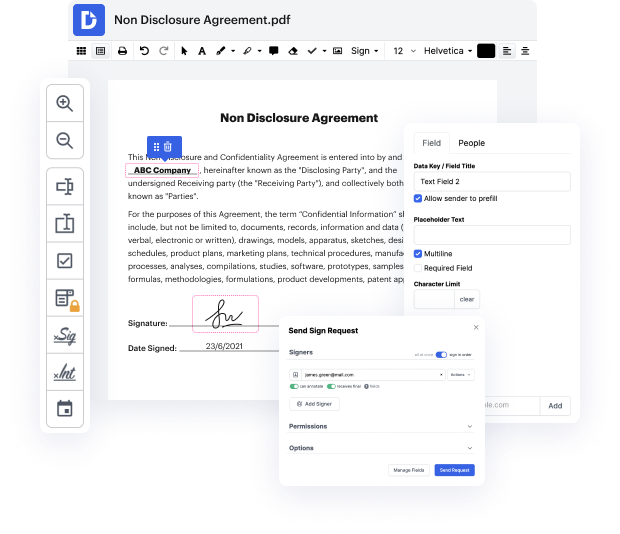
Try DocHub for streamlined editing of csv and also other file formats. Our platform provides easy document processing regardless of how much or little previous experience you have. With instruments you need to work in any format, you will not have to switch between editing windows when working with every one of your documents. Easily create, edit, annotate and share your documents to save time on minor editing tasks. You will just need to sign up a new DocHub account, and you can begin your work right away.
See an improvement in document processing productivity with DocHub’s simple feature set. Edit any file easily and quickly, regardless of its format. Enjoy all the advantages that come from our platform’s efficiency and convenience.


This tutorial demonstrates how to add attributes from a CSV file to a shapefile in QGIS. The process involves adding the shapefile by going to the project menu, selecting layer, and then adding the vector layer. After selecting the shapefile, the attributes can be checked by opening the attribute table. The example used in the video is the municipal boundary shapefile of the Niagara Regional Municipality in Canada, which contains 12 municipalities.


At DocHub, your data security is our priority. We follow HIPAA, SOC2, GDPR, and other standards, so you can work on your documents with confidence.
Learn more