Create your US Legal Letter from scratch

Start Building Now
Title decoration

Here's how it works

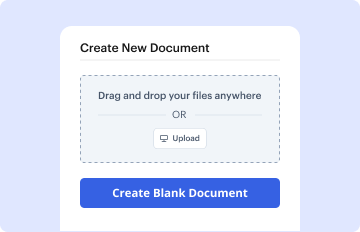
01. Start with a blank US Legal Letter
Open the blank document in the editor, set the document view, and add extra pages if applicable.
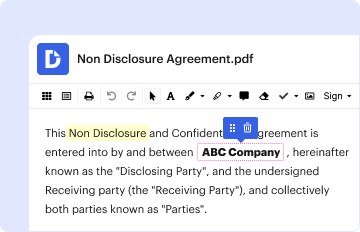
02. Add and configure fillable fields
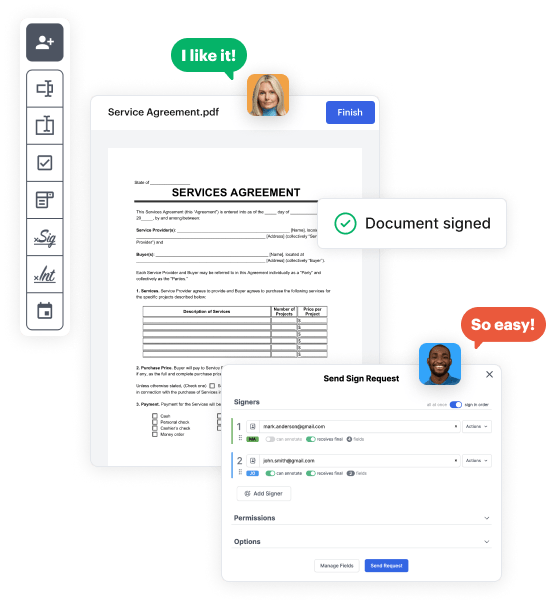
Use the top toolbar to insert fields like text and signature boxes, radio buttons, checkboxes, and more. Assign users to fields.
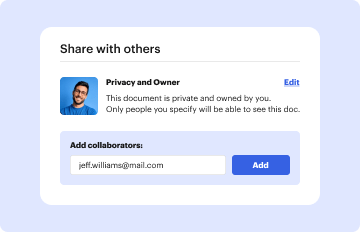
03. Distribute your form
Share your US Legal Letter in seconds via email or a link. You can also download it, export it, or print it out.

A detailed walkthrough of how to design your US Legal Letter online
Form edit decoration

Step 1: Start with DocHub's free trial.

Go to the DocHub website and register for the free trial. This provides access to every feature you’ll require to create your US Legal Letter without any upfront cost.

Step 2: Access your dashboard.

Sign in to your DocHub account and proceed to the dashboard.

Step 3: Craft a new document.

Hit New Document in your dashboard, and select Create Blank Document to craft your US Legal Letter from scratch.

Step 4: Use editing tools.

Add various fields such as text boxes, radio buttons, icons, signatures, etc. Arrange these elements to suit the layout of your form and assign them to recipients if needed.

Step 5: Modify the form layout.

Rearrange your form easily by adding, moving, removing, or combining pages with just a few clicks.

Step 6: Set up the US Legal Letter template.

Transform your freshly designed form into a template if you need to send multiple copies of the same document numerous times.

Step 7: Save, export, or share the form.

Send the form via email, share a public link, or even post it online if you want to collect responses from more recipients.


be ready to get more

Build your US Legal Letter in minutes

Start creating now

Got questions?

We have answers to the most popular questions from our customers. If you can't find an answer to your question, please contact us.
Contact us
Write an introduction If youre writing a legal statement, elements such as the date and subject of the statement should appear at the top. You should also identify relevant parties and explain how theyre connected to the subject.
Most formal letters will start with Dear before the name of the person that you are writing to. You can choose to use first name and surname, or title. and surname. However, if you dont know the name of the person you are writing to, you must use Dear Sir or Madam,.
Important points to include in a legal document. Party details. List the names, numbers, addresses (email or physical), and any other relevant information of all parties involved. Background information. Motion. Roles and responsibilities. BdocHubes or contingencies. Dates and signatures.
Formal Salutation: Start with a formal salutation. If you know the attorneys name, the most common and respectful way is to use Dear followed by their title and surname. For example, Dear Mr. Smith or Dear Ms.
Key Components of a Legal Letter A well-crafted legal letter should include several key components. These include a clear and concise subject line, a salutation that properly addresses the recipient, a detailed explanation of the legal argument or request, supporting evidence, a professional tone, and a proper closing.
be ready to get more

Build your US Legal Letter in minutes

Start creating now

Related Q&A to US Legal Letter

Begin your letter with a professional greeting. If you know the recipients name, use Dear [Name]. If not, use Dear [Title] or To Whom It May Concern. Your opening remarks should briefly explain the purpose of the letter and introduce yourself or the person you are introducing.
Key Components of a Legal Letter The subject line should clearly and concisely state the purpose of the letter. This helps the recipient to quickly understand what the letter is about and why it is important. The salutation should properly address the recipient, using their name and appropriate title if necessary.
While its technically possible to write a demand letter yourself, there are docHub advantages to seeking the guidance of a legal professional. Heres why. Professional expertise. An attorney specialized in personal injury law understands the nuances of relevant statutes, case law, and procedural requirements.

Additional resources on building your forms