

Transform your document administration with Self-Employment Contracts

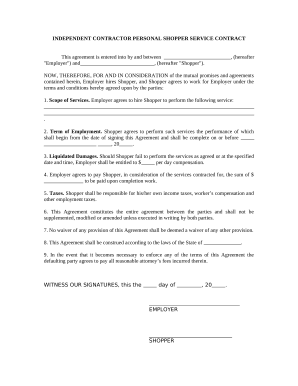
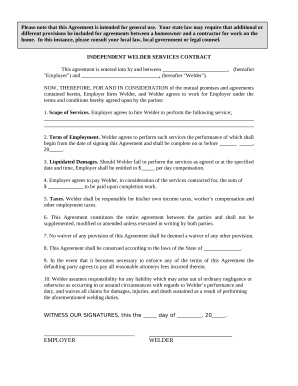
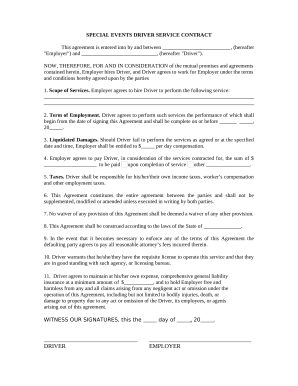
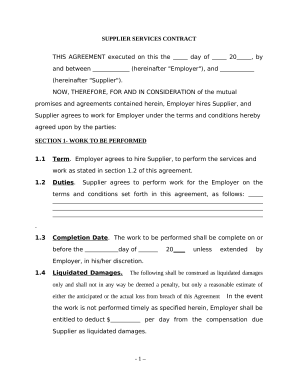
Your workflows always benefit when you are able to locate all of the forms and files you need on hand. DocHub provides a vast array of forms to ease your day-to-day pains. Get a hold of Self-Employment Contracts category and easily discover your form.

Begin working with Self-Employment Contracts in several clicks:

  1. Open Self-Employment Contracts and discover the document you need.
  2. Click on Get Form to open it in our online editor.
  3. Start adjusting your file: add more fillable fields, highlight paragraphs, or blackout sensitive facts.
  4. The app saves your changes automatically, and once you are all set, you are able to download or distribute your file with other contributors.

Enjoy smooth document managing with DocHub. Check out our Self-Employment Contracts category and locate your form today!


Video Guide on Self-Employment Contracts management

video background

Commonly Asked Questions about Self-Employment Contracts

By definition, an independent contractor provides work or services on a contractual basis, whereas, self-employment is simply the act of earning money without operating within an employee-employer relationship.
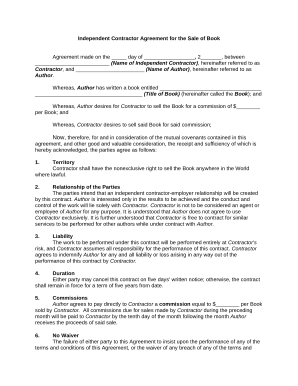
The basic test for determining whether a worker is an independent contractor or an employee is whether the principal has the right to control the manner and means by which the work is performed.
the degree to which the worker is engaged primarily for the benefit of the employer. The IRS considers a worker to be your employee if you have the right to control not only what work will be done, but also how the worker will do it.
In most cases, self-employed contractors will pay a slightly higher tax rate than employees on paper but overall they typically pay a lower amount of taxes due to business tax breaks and expense deductions.
Pay basis: If you pay a worker on an hourly, weekly, or monthly basis, the IRS will consider it a sign the worker is your employee. An independent is generally paid by the job, project, assignment, etc., or receives a commission or similar fee.
The general rule is that an individual is an independent contractor if the payer has the right to control or direct only the result of the work and not what will be done and how it will be done. If you are an independent contractor, then you are self-employed.
Employers can determine most workers classification under the common law test. The IRS itself uses this test to classify its workers. Under the common law test, control of what work will be done and how it will be done is key. If an employer has this control, then that person being tested is a common law employee.
If you are a business owner or contractor who provides services to other businesses, then you are generally considered self-employed. For more information on your tax obligations if you are self-employed (an independent contractor), see our self-employed individuals tax center.
