
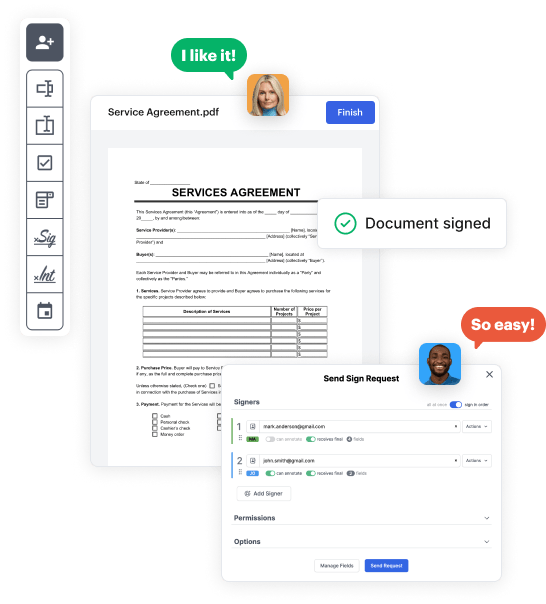
Create your Rental Management Document from scratch

Start Building Now
Title decoration

Here's how it works

01. Start with a blank Rental Management Document
Open the blank document in the editor, set the document view, and add extra pages if applicable.
02. Add and configure fillable fields
Use the top toolbar to insert fields like text and signature boxes, radio buttons, checkboxes, and more. Assign users to fields.
03. Distribute your form
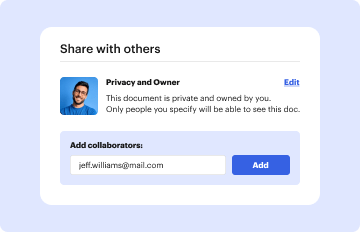
Share your Rental Management Document in seconds via email or a link. You can also download it, export it, or print it out.

A simple guide on how to set up a polished Rental Management Document

Form edit decoration

Step 1: Sign in to DocHub to create your Rental Management Document.

First, sign in to your DocHub account. If you don't have one, you can easily register for free.

Step 2: Navigate to the dashboard.

Once signed in, head to your dashboard. This is your central hub for all document-focused tasks.

Step 3: Start new document creation.

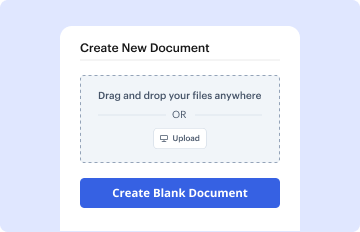
In your dashboard, select New Document in the upper left corner. Choose Create Blank Document to craft the Rental Management Document from scratch.

Step 4: Incorporate template elements.

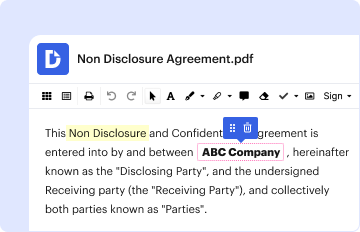
Place various items like text boxes, images, signature fields, and other options to your template and designate these fields to particular recipients as required.

Step 5: Adjust your template.

Customize your template by including walkthroughs or any other required information leveraging the text feature.

Step 6: Review and refine the content of the form.

Meticulously examine your created Rental Management Document for any discrepancies or necessary adjustments. Utilize DocHub's editing tools to enhance your template.

Step 7: Send out or export the template.

After finalizing, save your copy. You may choose to retain it within DocHub, transfer it to various storage solutions, or forward it via a link or email.


be ready to get more

Build your Rental Management Document in minutes

Start creating now

Got questions?

We have answers to the most popular questions from our customers. If you can't find an answer to your question, please contact us.
Contact us
As a small business owner, I know how important it is to stay organized and keep track of projects. Excel is an excellent tool for project management. In this video, Ill be sharing my top Excel tips for managing projects effectively.
Property Management Spreadsheet - Excel Manage finances for multiple properties with this Excel template. The spreadsheet lists rental income and expenses so that you can quickly view which properties are most profitable.
To create your own property analysis spreadsheet follow these four key steps: Estimate fair market value. Forecast operating expenses. Determine market rents. Project repair, rehab, and updating costs.
What should a new property manager introduction letter include? Your contact information. Include your email and phone number so that residents know how to docHub you. Where to send rent payments. The rent collection process often changes when theres new management. Updated maintenance procedures. Lease terms.
An Excel expense sheet designed as a real estate expense tracker can be a helpful tool for realtors. Such trackers allow meticulous record-keeping and analysis of where money is being spent and help agents identify potential areas for cost savings.
be ready to get more

Build your Rental Management Document in minutes

Start creating now

Related Q&A to Rental Management Document

What to Include in a Property Manager Introduction Letter New Management Introduction. New Management Company Contact Information and Details. Specific Designated Person of Contact. How to Pay Rent. How to Submit Maintenance Requests.
While Excel can help with asset monitoring, it has some shortcomings. It isnt very interactive, and it can be hard for employees to access the data on the go. Youll find a lot more features using tools from the best asset tracking companies, including completely free platforms such as AssetTiger or Snipe-IT.
A Management Agreement is a contract between a property owner and a designated manager that outlines the responsibilities and expectations of both parties in managing the property. It typically covers tasks such as rent collection, maintenance, repairs, and tenant communication.

Additional resources on building your forms