
Create your Plaintiff Legal Form from scratch

Start Building Now
Title decoration

Here's how it works

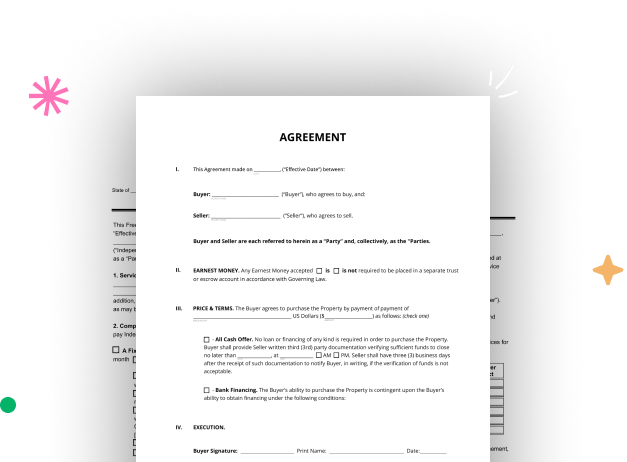
01. Start with a blank Plaintiff Legal Form
Open the blank document in the editor, set the document view, and add extra pages if applicable.
02. Add and configure fillable fields
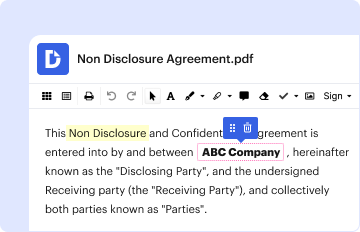
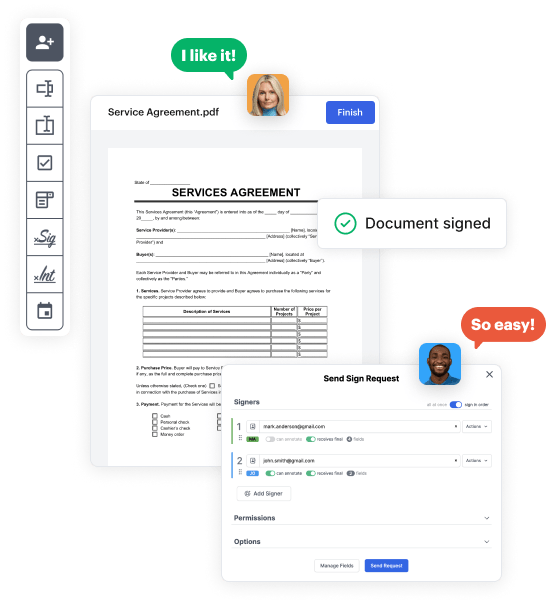
Use the top toolbar to insert fields like text and signature boxes, radio buttons, checkboxes, and more. Assign users to fields.
03. Distribute your form
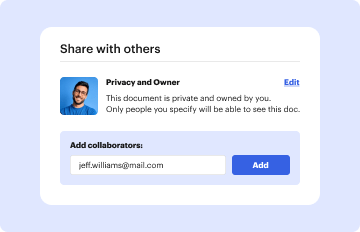
Share your Plaintiff Legal Form in seconds via email or a link. You can also download it, export it, or print it out.

Craft Plaintiff Legal Form from scratch by following these comprehensive instructions

Form edit decoration

Step 1: Start off by launching DocHub.

Start by creating a free DocHub account using any available sign-up method. Simply log in if you already have one.

Step 2: Register for a free 30-day trial.

Try out the complete collection of DocHub's pro tools by registering for a free 30-day trial of the Pro plan and proceed to build your Plaintiff Legal Form.

Step 3: Add a new empty form.

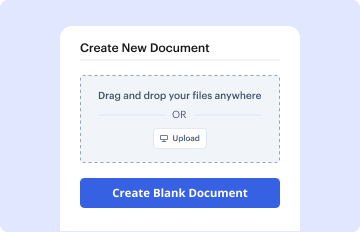
In your dashboard, click the New Document button > scroll down and hit Create Blank Document. You’ll be taken to the editor.

Step 4: Organize the document’s view.

Utilize the Page Controls icon indicated by the arrow to toggle between different page views and layouts for more convenience.

Step 5: Begin by adding fields to design the dynamic Plaintiff Legal Form.

Navigate through the top toolbar to add document fields. Add and arrange text boxes, the signature block (if applicable), embed images, etc.

Step 6: Prepare and configure the added fields.

Configure the fillable areas you added based on your desired layout. Customize the size, font, and alignment to ensure the form is user-friendly and professional.

Step 7: Finalize and share your document.

Save the ready-to-go copy in DocHub or in platforms like Google Drive or Dropbox, or create a new Plaintiff Legal Form. Distribute your form via email or utilize a public link to reach more people.


be ready to get more

Build your Plaintiff Legal Form in minutes

Start creating now

Got questions?

We have answers to the most popular questions from our customers. If you can't find an answer to your question, please contact us.
Contact us
You start a lawsuit by filing a complaint. In some circumstances, you file a petition or a motion. The court has several complaint forms that you may use in drafting your complaint.
Start a case Form NameForm NumberGuide Plaintiffs Claim and Order to Go to Small Claims Court SC-100 Fill out forms to start a small claims case Other Plaintiffs or Defendants (Attachment to Plaintiffs Claim and ORDER to Go to Small Claims Court) SC-100A Fictitious Business Name (Small Claims) SC-103 3 more rows
complaint: In civil cases, a written statement filed by the plaintiff that starts a case. Says what the plaintiff thinks the defendant did and asks the court for help. Also called the initial pleading or petition. A complaint is also used to start a criminal case.
The first document filed in a lawsuit is usually a pleading called a complaint or a petition. Its essential in various types of cases. The complaint is a detailed document laying the groundwork for a civil action.
To begin a civil lawsuit in federal court, the plaintiff files a complaint with the court and serves a copy of the complaint on the defendant.
be ready to get more

Build your Plaintiff Legal Form in minutes

Start creating now

Related Q&A to Plaintiff Legal Form

The procedure by which the plaintiff presents the defendant with a copy of the complaint and summons indicating that the defendant is being sued is known as service of process. Service of process is an essential step in initiating a legal action and notifying the defendant of the lawsuit against them.
common count: a claim for money owed. complaint: Papers filed with the court by a plaintiff to start a lawsuit. A complaint sets out facts and legal claims (called causes of action). In some types of cases, it is called a petition.
Information for Plaintiffs/Petitioners When you file a lawsuit, you will usually file a petition or a complaint. You also will almost always need a summons. And, in most civil cases, you will need a Civil Case Cover Sheet (Form CM-010).

Additional resources on building your forms