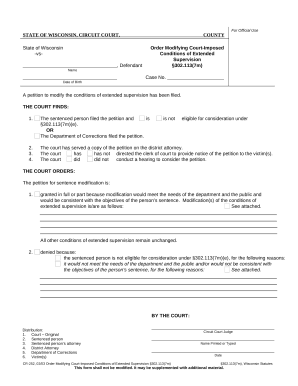
Get and manage Legal Forms in Criminal Cases online

Speed up your document management with the Legal Forms in Criminal Cases library with ready-made templates that suit your requirements. Get your form, modify it, complete it, and share it with your contributors without breaking a sweat. Begin working more effectively with your documents.

The best way to manage our Legal Forms in Criminal Cases:

  1. Open our Legal Forms in Criminal Cases and find the form you want.
  2. Preview your document to ensure it’s what you want, and click on Get Form to start working on it.
  3. Edit, add new text, or highlight important information with DocHub tools.
  4. Prepare your form and save the changes.
  5. Download or share your document with other people.

Examine all of the opportunities for your online document administration using our Legal Forms in Criminal Cases. Get a totally free DocHub profile today!


Video Guide on Legal Forms in Criminal Cases management

video background

Commonly Asked Questions about Legal Forms in Criminal Cases

1:23 3:10 While the codified laws are often easily found in one of those 29 codes the uncodified laws areMoreWhile the codified laws are often easily found in one of those 29 codes the uncodified laws are sometimes more difficult to locate for example a researcher may need to review the California statutes.
It includes enacted law like statutes, rule and regulations; contracts (private and public); personal legal documents like wills and trusts; and public legal documents like notices and instructions. Legal drafting requires no legal authority citation and generally is written without a stylized voice.
Statutory laws Statutory law is made up of written laws enacted by federal, state, and local legislative bodies. These statutes or ordinances define specific criminal offenses, their elements, and the penalties associated with them.
There are two kinds of court cases: civil and criminal.
The written form of the criminal law is called penal code. specifying the nature of, appropriate punishment for, particular offenses. specify acceptable methods for dealing lawbreakers, evidence and admissibility. i.e. general rules of evidence, search and seizure, procedures to be followed in an arrest.
Crimes can be generally separated into four categories: felonies, misdemeanors, inchoate offenses, and strict liability offenses.