Create your Legal Form Package from scratch

Start Building Now
Title decoration

Here's how it works

01. Start with a blank Legal Form Package
Open the blank document in the editor, set the document view, and add extra pages if applicable.
02. Add and configure fillable fields
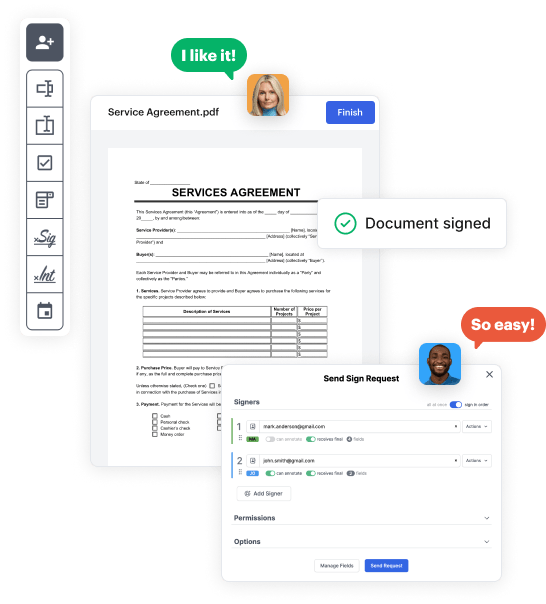
Use the top toolbar to insert fields like text and signature boxes, radio buttons, checkboxes, and more. Assign users to fields.
03. Distribute your form
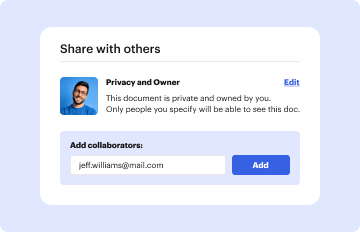
Share your Legal Form Package in seconds via email or a link. You can also download it, export it, or print it out.

A detailed walkthrough of how to design your Legal Form Package online
Form edit decoration

Step 1: Start with DocHub's free trial.

Visit the DocHub website and register for the free trial. This gives you access to every feature you’ll require to create your Legal Form Package without any upfront cost.

Step 2: Access your dashboard.

Log in to your DocHub account and go to the dashboard.

Step 3: Craft a new document.

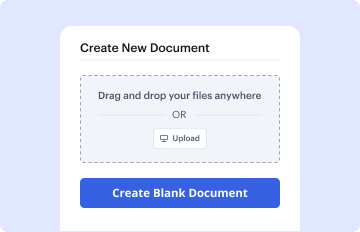
Click New Document in your dashboard, and select Create Blank Document to craft your Legal Form Package from scratch.

Step 4: Use editing tools.

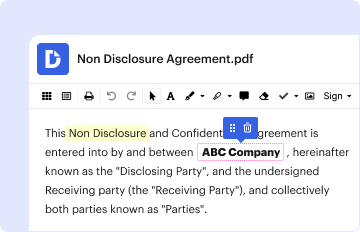
Insert different elements such as text boxes, radio buttons, icons, signatures, etc. Organize these elements to match the layout of your document and assign them to recipients if needed.

Step 5: Modify the form layout.

Rearrange your document quickly by adding, moving, removing, or combining pages with just a few clicks.

Step 6: Create the Legal Form Package template.

Turn your freshly crafted form into a template if you need to send many copies of the same document repeatedly.

Step 7: Save, export, or distribute the form.

Send the form via email, distribute a public link, or even publish it online if you want to collect responses from more recipients.

be ready to get more

Build your Legal Form Package in minutes

Start creating now

Got questions?

We have answers to the most popular questions from our customers. If you can't find an answer to your question, please contact us.
Contact us
No, technically, you do not need a solicitor to write a contract. In fact, a contract doesnt even need to be in writing to be legally binding, it could be spoken. Providing you have all the necessary compartments, a contract can be drafted by yourself.
Microsoft word - How to change paper size to legal in Microsoft word. The first step is to open Microsoft word, and Click Layout. Click Paper size dropdown at the top of the page. Click Legal in the dropdown.
Open the Word document that you want to save as a template. On the File menu, click Save as Template. In the Save As box, type the name that you want to use for the new template. (Optional) In the Where box, choose a location where the template will be saved.
How to Format a Legal Document in Word Resize Your Document. Pick Your Fonts. Set the Line Spacing. Format Your Columns. Set Up Your Table of Contents. Create Your Table of Authorities. Automating Your Formatting. Creating a Style. Setting Up Autoformatting as You Type. A Note on Different Documents. Pleadings. Briefs. Manuscripts.
Generally, to be legally valid, most contracts must contain two elements: All parties must agree about an offer made by one party and accepted by the other. Something of value must be exchanged for something else of value. This can include goods, cash, services, or a pledge to exchange these items.
be ready to get more

Build your Legal Form Package in minutes

Start creating now

Related Q&A to Legal Form Package

Open Word, click More Templates on the right side of the screen. In the search bar, type in legal and click search. One of the templates that that may be the most useful is the Legal pleading paper. Note: You should be able to follow these directions and find the same templates in both Windows and Mac.
Instead of using letter size set your Word document to legal paper size. Legal paper is preferred by lawyers because it allows lengthy details like you see in contracts. To set this up, go to Layout Size Legal.
Important points to include in a legal document. Party details. List the names, numbers, addresses (email or physical), and any other relevant information of all parties involved. Background information. Motion. Roles and responsibilities. BdocHubes or contingencies. Dates and signatures.

Additional resources on building your forms