Handle Legal Collections quickly online

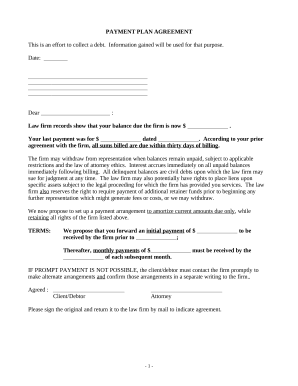
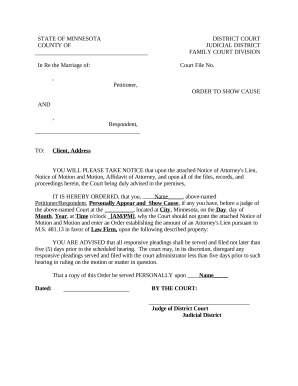
Document managing can stress you when you can’t locate all the forms you require. Fortunately, with DocHub's substantial form library, you can get all you need and swiftly handle it without the need of switching between applications. Get our Legal Collections and start working with them.

The best way to manage our Legal Collections using these easy steps:

  1. Examine Legal Collections and choose the form you require.
  2. Review the template and click on Get Form.
  3. Wait for it to open in our online editor.
  4. Modify your form: include new information and pictures, and fillable fields or blackout some parts if required.
  5. Prepare your form, preserve alterations, and prepare it for delivering.
  6. When ready, download your form or share it with other contributors.

Try out DocHub and browse our Legal Collections category with ease. Get your free profile right now!


Video Guide on Legal Collections management

video background

Commonly Asked Questions about Legal Collections

The multistage debt collection process varies depending on the creditor, but it usually includes phone and mail notices, stoppage of services (if applicable), notifications to credit reporting bureaus, assignment to third-party collection agencies, and potential court proceedings.
If you have unpaid bills in collections, a debt collector could file a lawsuit against you to collect the debt. This will hurt your credit score, but it could also lead to seized wages or a lien on your home. If youre facing a debt collection lawsuit, dont ignore it.
You can sue the debt collector for violating the FDCPA. If you sue under the FDCPA and win, the debt collector must generally pay your attorneys fees and might also have to pay you damages. If youre having trouble with debt collection, you can submit a complaint with the CFPB.
Legal Collection means any collection efforts made by a Law Firm to collect Respondents Debt, including but not limited to sending letters on Law Firm letterhead and filing Debt Collection Lawsuits.
It involves initiating legal proceedings to recover the debt. Our experienced legal team ensures that all actions comply with the Fair Debt Collection Practices Act. This process can result in judgments or liens against the debtor. Soft, Standard, and Legal Debt Collections The Differences thefaircapital.com post differences-betwe thefaircapital.com post differences-betwe
If your debt is sent to collections, the legal and financial consequences can be docHub. If you dont pay what you owe, you risk damage to both your credit scores and your credit reports for up to seven years. If youre contacted by a debt collector, first confirm that you do in fact owe the debt.
Ignoring these efforts could lead to further financial strain, potential wage garnishment, or the seizure of assets through a court judgment. Additionally, the debt may remain on your credit report for up to seven years, negatively impacting your credit score and future financial opportunities.
If you get a summons notifying you that a debt collector is suing you, dont ignore it. If you do, the collector may be able to get a default judgment against you (that is, the court enters judgment in the collectors favor because you didnt respond to defend yourself) and garnish your wages and bank account.
Yes, but the collector must first sue you to get a court order called a garnishment that says it can take money from your paycheck to pay your debts. A collector also can get a court order to take money from your bank account. Dont ignore a lawsuit, or you might lose the chance to fight a court order.