Create your Landlord Tenant Lease Form from scratch

Start Building Now
Title decoration

Here's how it works

01. Start with a blank Landlord Tenant Lease Form
Open the blank document in the editor, set the document view, and add extra pages if applicable.
02. Add and configure fillable fields
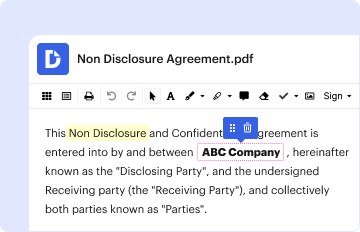
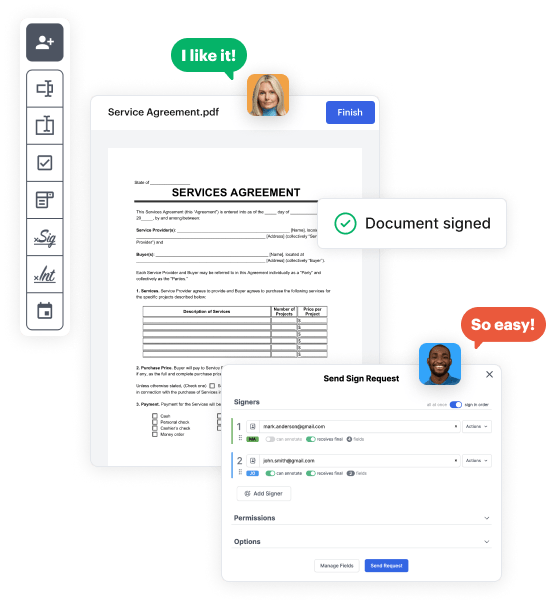
Use the top toolbar to insert fields like text and signature boxes, radio buttons, checkboxes, and more. Assign users to fields.
03. Distribute your form
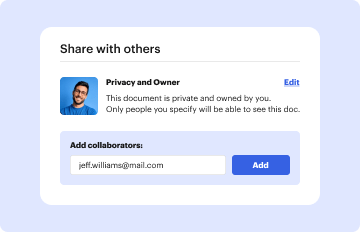
Share your Landlord Tenant Lease Form in seconds via email or a link. You can also download it, export it, or print it out.

Build Landlord Tenant Lease Form from scratch by following these step-by-step instructions
Form edit decoration

Step 1: Get started with DocHub.

Begin by creating a free DocHub account using any offered sign-up method. Just log in if you already have one.

Step 2: Register for a 30-day free trial.

Try out the complete collection of DocHub's advanced tools by signing up for a free 30-day trial of the Pro plan and proceed to build your Landlord Tenant Lease Form.

Step 3: Start with a new blank form.

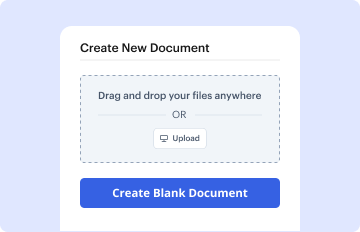
In your dashboard, click the New Document button > scroll down and choose to Create Blank Document. You’ll be redirected to the editor.

Step 4: Organize the document’s layout.

Utilize the Page Controls icon marked by the arrow to switch between two page views and layouts for more convenience.

Step 5: Begin by inserting fields to create the dynamic Landlord Tenant Lease Form.

Navigate through the top toolbar to place document fields. Add and configure text boxes, the signature block (if applicable), embed images, etc.

Step 6: Prepare and customize the added fields.

Configure the fillable areas you added based on your desired layout. Adjust the size, font, and alignment to make sure the form is straightforward and polished.

Step 7: Finalize and share your template.

Save the ready-to-go copy in DocHub or in platforms like Google Drive or Dropbox, or create a new Landlord Tenant Lease Form. Distribute your form via email or use a public link to engage with more people.


be ready to get more

Build your Landlord Tenant Lease Form in minutes

Start creating now

Got questions?

We have answers to the most popular questions from our customers. If you can't find an answer to your question, please contact us.
Contact us
Key Takeaways. A lease is a legal, binding contract outlining the terms under which one party agrees to rent property owned by another party. It guarantees the tenant or lessee use of the property and guarantees the property owner or landlord regular payments for a specified period in exchange.
Lease agreement templates in Google Docs and Word can help you with entering into a legal contract. Printable, downloadable, and editable templates explain the rights and obligations of the tenant and property owner, rental costs and late fees, security deposits, and other aspects.
Yes, Microsoft Word has a free lease agreement template that you can customize to create your own contract and minimize any potential problems between tenant and landlord.
Fill out the tenancy details: Name: Enter a name for the new tenancy. Description: Optionally, enter a description for the new tenancy. Service Namespace: Set a unique namespace for all resources created within this tenancy. Authentication Credentials: Set a user name and password for the primary tenancy administrator.
The tenancy agreement for real estate is often called a lease, and usually involves specific property rights in real property, as opposed to chattels.
be ready to get more

Build your Landlord Tenant Lease Form in minutes

Start creating now

Related Q&A to Landlord Tenant Lease Form

Key elements of a lease amendment form Identifying information. Reference to the original lease. Description of amendments. Effective date. Signatures. Notarization (if required).
Create an Agreement in Microsoft Word Step-by-Step Guide Step 1: Select an Agreement Template. Step 2: Download the Agreement Template in MS Word. Step 3: Personalize the Cover Page. Step 4: Write the Parties, Nature of the Agreement, and Consideration Payment Sections. Step 5: Customize the Sections on the Second Page.

Additional resources on building your forms