
Create your Landlord Tenant Dispute Resolution Form from scratch

Start Building Now
Title decoration

Here's how it works

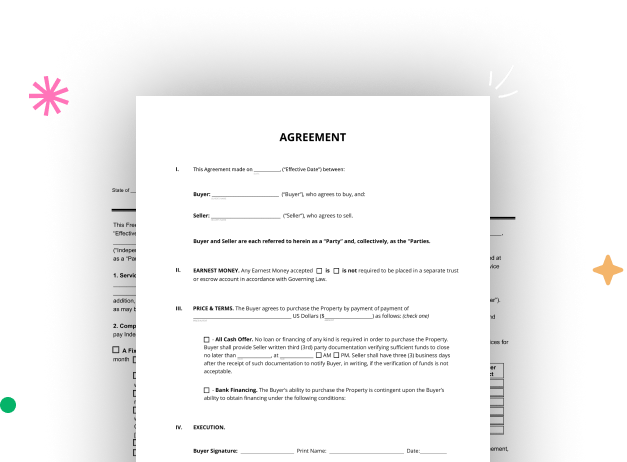
01. Start with a blank Landlord Tenant Dispute Resolution Form
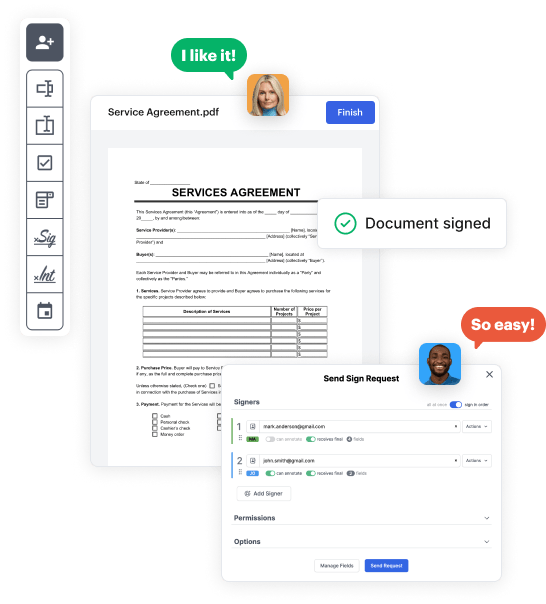
Open the blank document in the editor, set the document view, and add extra pages if applicable.
02. Add and configure fillable fields
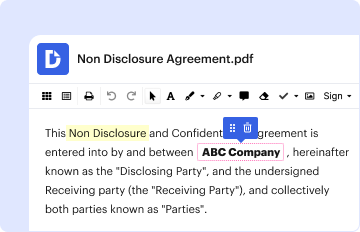
Use the top toolbar to insert fields like text and signature boxes, radio buttons, checkboxes, and more. Assign users to fields.
03. Distribute your form
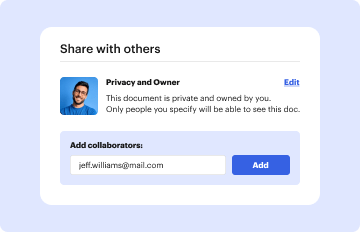
Share your Landlord Tenant Dispute Resolution Form in seconds via email or a link. You can also download it, export it, or print it out.

A brief guide on how to set up a polished Landlord Tenant Dispute Resolution Form

Form edit decoration

Step 1: Log in to DocHub to create your Landlord Tenant Dispute Resolution Form.

First, sign in to your DocHub account. If you don't have one, you can easily sign up for free.

Step 2: Navigate to the dashboard.

Once logged in, head to your dashboard. This is your central hub for all document-centric tasks.

Step 3: Start new document creation.

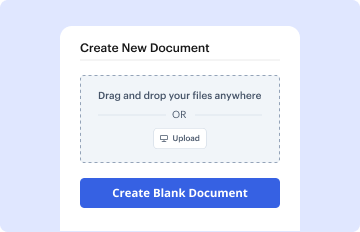
In your dashboard, hit New Document in the upper left corner. Pick Create Blank Document to craft the Landlord Tenant Dispute Resolution Form from scratch.

Step 4: Add form fillable areas.

Place different fields like text boxes, photos, signature fields, and other interactive areas to your form and designate these fields to intended recipients as required.

Step 5: Adjust your document.

Refine your template by inserting directions or any other vital information using the text feature.

Step 6: Review and correct the form.

Meticulously go over your created Landlord Tenant Dispute Resolution Form for any inaccuracies or essential adjustments. Make use of DocHub's editing capabilities to fine-tune your document.

Step 7: Distribute or download the document.

After finalizing, save your copy. You may opt to keep it within DocHub, export it to various storage services, or send it via a link or email.


be ready to get more

Build your Landlord Tenant Dispute Resolution Form in minutes

Start creating now

Got questions?

We have answers to the most popular questions from our customers. If you can't find an answer to your question, please contact us.
Contact us
When you write your own letter, include: names, dates, your address and signature. a description of the problems. background information if you already talked to the super or asked for repairs. a request for advance notice if they will come to your apartment, so you can plan.
You have to file a Notice of Claim form with the court. This form can be found online at .courts.ns.ca, under the Small Claims Court sec- tion. The notice of claim form must be filed with the court in person, and then personally served to the defendant within 10 business days of the claim being filed with the court.
When to write an appeal letter? Scan your denial letter carefully. Think of what reason you want to address and how. Address the appeal letter. First paragraph: Ask for reconsideration. Second paragraph: State your case. Third paragraph: Offer possible concessions. Conclusion: Dont forget to sign.
You can take your landlord to court if they wont do repairs after youve asked them. Youre more likely to win your case if you give the court as much evidence as possible. The judge will look at the evidence you and your landlord provide before making a decision.
To claim compensation, you need to: Write to your landlord. Fill in the claim form. Send the form and pay the court fee. Go to the court hearing.
be ready to get more

Build your Landlord Tenant Dispute Resolution Form in minutes

Start creating now

Related Q&A to Landlord Tenant Dispute Resolution Form

Below, we have included some general steps to follow to write an effective complaint letter to your landlord. Explain Your Complaint. Explain the Impact. Suggest a Solution. Attach Any Relevant Documentation. Include a Deadline to Respond. File a Complaint Against Your Landlord. Send a Demand Letter to Your Landlord.
If you want to end a tenancy for landlord or purchaser occupancy of the rental unit on or after July 18, 2024, you must generate the Four Month Notice to End Tenancy form RTB-32L using the Residential Tenancy Branchs web portal.
This can include disagreements over rent amount, length of tenancy, damage to the property, or any other issue specified in the contract. Sometimes, a dispute may arise due to a misunderstanding or miscommunication between the parties.

Additional resources on building your forms

