Create your Landlord-Tenant Agreement from scratch

Start Building Now
Title decoration

Here's how it works

01. Start with a blank Landlord-Tenant Agreement
Open the blank document in the editor, set the document view, and add extra pages if applicable.
02. Add and configure fillable fields
Use the top toolbar to insert fields like text and signature boxes, radio buttons, checkboxes, and more. Assign users to fields.
03. Distribute your form
Share your Landlord-Tenant Agreement in seconds via email or a link. You can also download it, export it, or print it out.

A detailed guide on how to craft your Landlord-Tenant Agreement online
Form edit decoration

Step 1: Start with DocHub's free trial.

Navigate to the DocHub website and register for the free trial. This provides access to every feature you’ll need to build your Landlord-Tenant Agreement without any upfront cost.

Step 2: Navigate to your dashboard.

Log in to your DocHub account and go to the dashboard.

Step 3: Craft a new document.

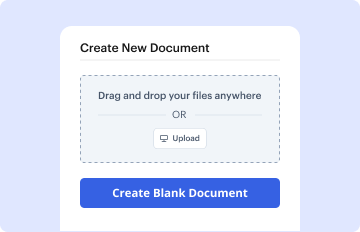
Click New Document in your dashboard, and select Create Blank Document to design your Landlord-Tenant Agreement from the ground up.

Step 4: Utilize editing tools.

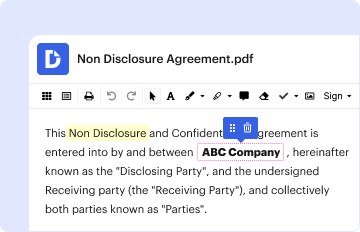
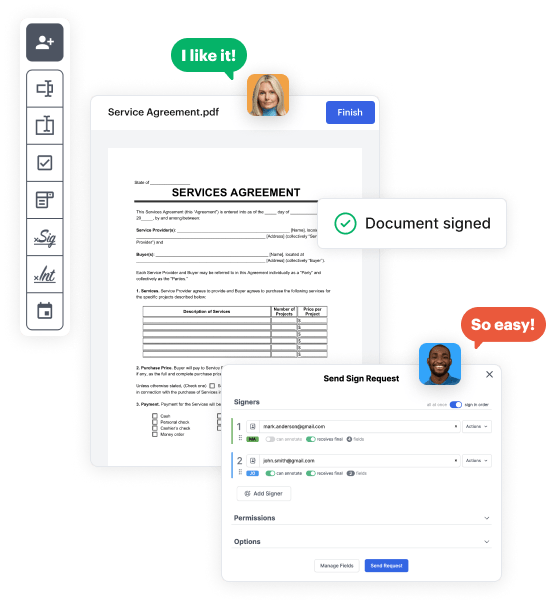
Add various elements such as text boxes, radio buttons, icons, signatures, etc. Organize these fields to match the layout of your form and designate them to recipients if needed.

Step 5: Organize the form layout.

Rearrange your form in seconds by adding, moving, removing, or merging pages with just a few clicks.

Step 6: Craft the Landlord-Tenant Agreement template.

Transform your freshly designed form into a template if you need to send many copies of the same document numerous times.

Step 7: Save, export, or share the form.

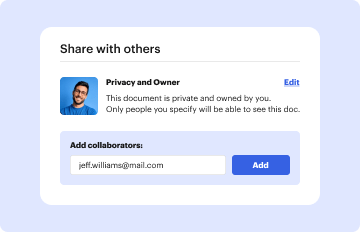
Send the form via email, share a public link, or even publish it online if you want to collect responses from more recipients.


be ready to get more

Build your Landlord-Tenant Agreement in minutes

Start creating now

Got questions?

We have answers to the most popular questions from our customers. If you can't find an answer to your question, please contact us.
Contact us
Assuming you are not living in a rent regulated unit, your landlord is not legally required to provide reasoning as to why they do not wish to renew your lease. However, this non-renewal cannot be for any discriminatory purposes against you or anyone living in the unit.
What are the responsibilities of my landlord? Owners must ensure that buildings are safe, clean and well maintained, in both common areas and in individual apartments. Among other responsibilities, owners must provide and maintain security measures, heat, hot and cold water, and good lighting.
New York City rent stabilized tenants are entitled to receive from their landlords a fully executed copy of their signed lease within 30 days of the landlords receipt of the lease signed by the tenant. The leases be- ginning and ending dates must be stated.
Contact your mortgage provider - If you have a mortgage provider, they should hold a copy of your lease and should be able to send it to you for a fee.
Tenants without a lease agreement also have the right to privacy. The landlord cannot enter your rental property without your consent, except in emergencies or other legally allowed circumstances. The landlord must provide reasonable notice before entering the rental property for repairs, inspections, or other reasons.
be ready to get more

Build your Landlord-Tenant Agreement in minutes

Start creating now

Related Q&A to Landlord-Tenant Agreement

Yes, Microsoft Word has a free lease agreement template that you can customize to create your own contract and minimize any potential problems between tenant and landlord.
Changing the tenancy agreement A tenancy agreement can normally only be changed if both you and your landlord agree. If you both agree, the change should be recorded in writing, either by drawing up a new written document setting out the terms of the tenancy or by amending the existing written tenancy agreement.
Steps to Add a Tenant to an Existing Lease Acquire a Written Request to Add a Tenant. Check the Units Occupancy Limit. Require a Completed Rental Application. Screen and Approve/Deny the New Tenant. Review the Details With Each Tenant.

Additional resources on building your forms