

Handle Individual Trusts effortlessly online

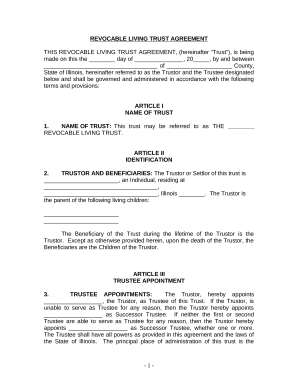
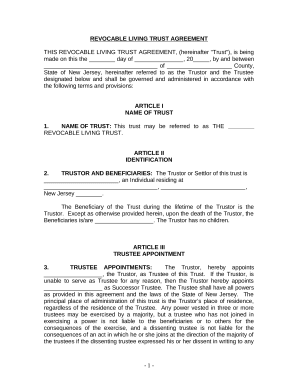
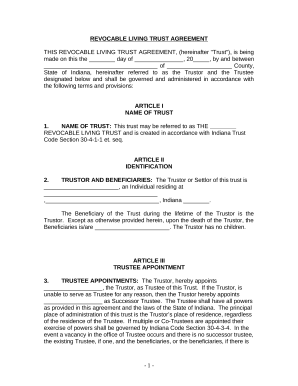
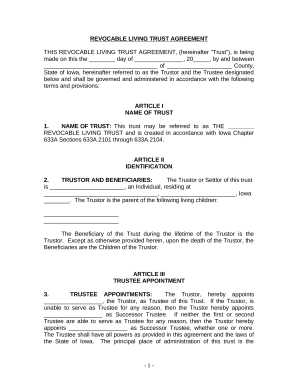
Document administration can stress you when you can’t find all of the documents you need. Fortunately, with DocHub's substantial form library, you can get everything you need and easily manage it without the need of switching between applications. Get our Individual Trusts and begin utilizing them.

The best way to manage our Individual Trusts using these simple steps:

  1. Check Individual Trusts and select the form you need.
  2. Preview the template and click on Get Form.
  3. Wait for it to open in the online editor.
  4. Alter your document: include new information and pictures, and fillable fields or blackout some parts if needed.
  5. Complete your document, preserve modifications, and prepare it for delivering.
  6. When ready, download your form or share it with other contributors.

Try out DocHub and browse our Individual Trusts category without trouble. Get a free profile right now!


Video Guide on Individual Trusts management

video background

Commonly Asked Questions about Individual Trusts

A spouses separate trust is generally protected from the other spouses creditors. Also, when one spouse dies, his or her trust becomes irrevocable, making it more difficult for creditors of either spouse to docHub the trust assets.
Personal trusts are accounts an individual creates, where that same individual is also named the beneficiary. These trusts can be used to fund a minors higher education, or to finance other worthy causes.
Drawbacks of Putting a House into a Trust Establishing and maintaining a trust involves various costs, including legal fees, stamp duty, and registration fees. Once the house is in a trust, the settlor may have limited control over the property, as the trustee manages it on behalf of the beneficiaries.
If you put your home in a trust and then go into a residential care home or nursing care home, youll no longer own your home. It wouldnt be classed as an asset you own during a financial assessment, so it cant be used to pay for your care home fees.
For example, you can use a trust to transfer property, help minimize estate taxes, preserve assets for minors until they are adults, or benefit a charity.
In conclusion, putting your house in trust can be an effective way of safeguarding your property, avoiding probate, and potentially reducing inheritance tax. However, its important to understand the roles of the settlor, trustees, and beneficiaries and the financial implications involved.
If your child is under 18, you cannot transfer property to them directly as, legally, a minor cannot own land. Instead, you will need to use a trust. The most common arrangement is for two trustees to hold the legal estate on a bare trust on the childs behalf.
With that said, revocable trusts, irrevocable trusts, and asset protection trusts are among some of the most common types to consider.
