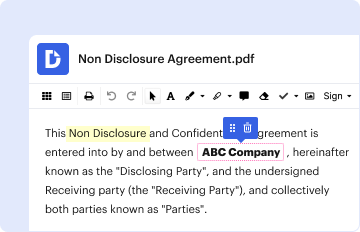
Type text, add images, blackout confidential details, add comments, highlights and more.
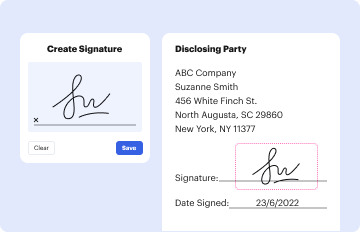
02. Sign it in a few clicks
Draw your signature, type it, upload its image, or use your mobile device as a signature pad.
03. Share your form with others
Send it via email, link, or fax. You can also download it, export it or print it out.
How to use or fill out Living Trust for Individual Who is Single, Divorced or Widow or Widower with No Children - Washington
Ease of Setup
DocHub User Ratings on G2
Ease of Use
DocHub User Ratings on G2
Click ‘Get Form’ to open it in the editor.
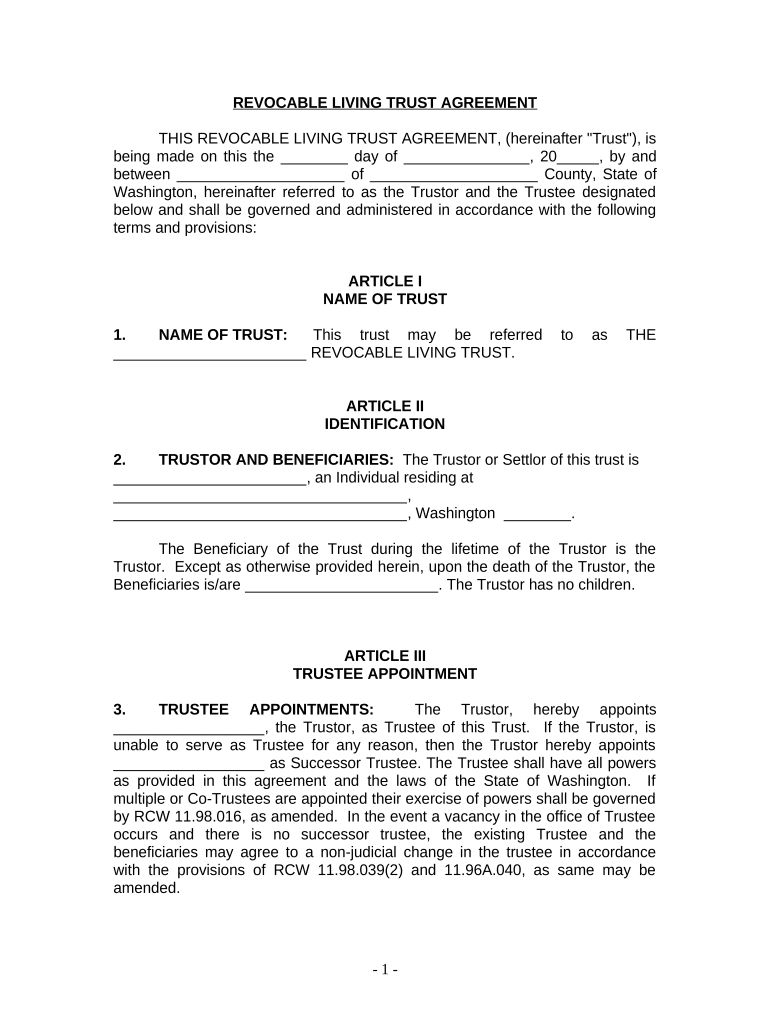
Begin by entering the name of the Trust at the top of the form. This should reflect your chosen title for the trust, such as 'The [Your Name] Revocable Living Trust'.
In Article II, provide your full name and address as the Trustor. Since you have no children, ensure that this section clearly states that.
Designate yourself as the Trustee in Article III. If you wish to appoint a Successor Trustee, include their name here.
List all assets intended for inclusion in the trust under Article IV. Attach Schedule A detailing these assets.
Review Articles V through XII carefully to understand your rights and responsibilities as Trustee and how distributions will be managed after your passing.
Once completed, save your document and utilize our platform's signing feature to finalize your trust agreement securely.
Start using our platform today to create your Living Trust effortlessly and for free!
Fill out Living Trust for Individual Who is Single, Divorced or Widow or Widower with No Children - Washington online It's free
Best living trust for individual who is single divorced or widow or widower with no children washingtonWho should have a living trustWhat is included in a living trustWhat is a living trust on a houseWho controls a living trustWhy do i need a living trustLiving trust inheritanceHow long before a trust is valid
Security and compliance
At DocHub, your data security is our priority. We follow HIPAA, SOC2, GDPR, and other standards, so you can work on your documents with confidence.
by HM Cross 1955 Cited by 34 If property is acquired while a man and woman are living together, it can be community property only if the acquirer and the other are husband and wife.8 The
Cookie consent notice
This site uses cookies to enhance site navigation and personalize your experience.
By using this site you agree to our use of cookies as described in our Privacy Notice.
You can modify your selections by visiting our Cookie and Advertising Notice.