
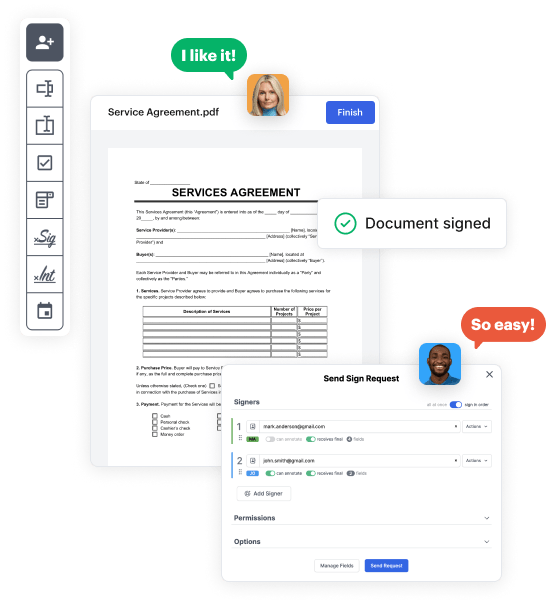
Create your Court Legal Document from scratch

Start Building Now
Title decoration

Here's how it works

01. Start with a blank Court Legal Document
Open the blank document in the editor, set the document view, and add extra pages if applicable.
02. Add and configure fillable fields
Use the top toolbar to insert fields like text and signature boxes, radio buttons, checkboxes, and more. Assign users to fields.
03. Distribute your form
Share your Court Legal Document in seconds via email or a link. You can also download it, export it, or print it out.

Create Court Legal Document from the ground up with these comprehensive guidelines

Form edit decoration

Step 1: Get started with DocHub.

Begin by registering a free DocHub account using any offered sign-up method. If you already have one, simply log in.

Step 2: Register for a free 30-day trial.

Try out the complete suite of DocHub's advanced features by signing up for a free 30-day trial of the Pro plan and proceed to build your Court Legal Document.

Step 3: Build a new empty doc.

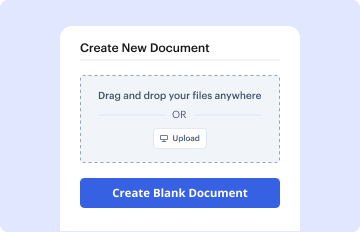
In your dashboard, choose the New Document button > scroll down and choose to Create Blank Document. You will be redirected to the editor.

Step 4: Arrange the view of the document.

Utilize the Page Controls icon indicated by the arrow to toggle between two page views and layouts for more convenience.

Step 5: Start inserting fields to design the dynamic Court Legal Document.

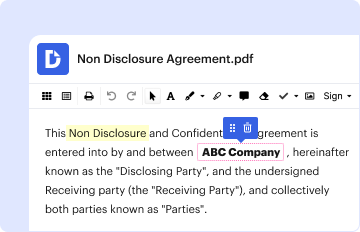
Use the top toolbar to place document fields. Insert and format text boxes, the signature block (if applicable), insert images, etc.

Step 6: Prepare and customize the added fields.

Configure the fields you added based on your desired layout. Adjust each field's size, font, and alignment to make sure the form is easy to use and neat-looking.

Step 7: Finalize and share your document.

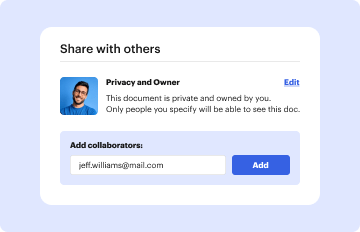
Save the ready-to-go copy in DocHub or in platforms like Google Drive or Dropbox, or design a new Court Legal Document. Distribute your form via email or use a public link to engage with more people.


be ready to get more

Build your Court Legal Document in minutes

Start creating now

Got questions?

We have answers to the most popular questions from our customers. If you can't find an answer to your question, please contact us.
Contact us
A subpoena is a court order that requires a party (or a witness who is not a party) to come to court to testify. It can also require the person to bring certain papers to the court hearing or trial.
abbreviation for do-it-yourself: the activity of decorating or repairing your home, or making things for your home yourself, rather than paying someone else to do it for you: a DIY enthusiast.
DIY Forms are free and easy guided step by step computer programs that ask the litigant a series of questions then use the answers to prepare personalized court forms that are ready to serve and file. Some programs identify issues and produce information sheets.
abbreviation for do-it-yourself: done or made without paying someone else to do it: This software is ideal for small businesses who do DIY accounts.
DIY materials are created through individual or collective self-production practices, often by techniques and processes of the designers own invention.
be ready to get more

Build your Court Legal Document in minutes

Start creating now

Related Q&A to Court Legal Document

DIY (do-it-yourself) approaches to teaching encourage students to become responsible for their own learning.
Do it yourself Do it yourself / Full name
Commencing an Action. A suit is commenced by the purchase of an index number in the City Court Clerks Office. Once an index number has been purchased, the litigant has 120 days to serve the summons and complaint.

Additional resources on building your forms