Handle Court Discovery Forms effortlessly online

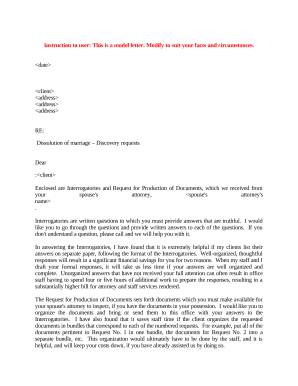
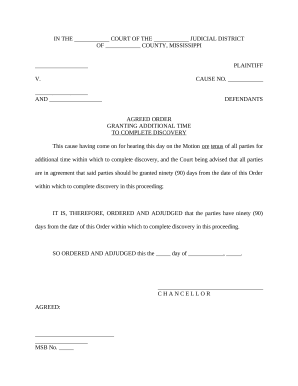
Document administration can overpower you when you can’t locate all the forms you need. Fortunately, with DocHub's considerable form categories, you can find all you need and swiftly deal with it without changing among software. Get our Court Discovery Forms and begin working with them.

The best way to manage our Court Discovery Forms using these simple steps:

  1. Browse Court Discovery Forms and select the form you need.
  2. Preview the template and click Get Form.
  3. Wait for it to open in the online editor.
  4. Change your document: include new information and images, and fillable fields or blackout some parts if needed.
  5. Prepare your document, preserve changes, and prepare it for sending.
  6. When all set, download your form or share it with your contributors.

Try out DocHub and browse our Court Discovery Forms category easily. Get a free account today!

Video Guide on Court Discovery Forms management

video background

Commonly Asked Questions about Court Discovery Forms

General Information: Discovery is the formal process by which the parties to a case in court exchange information about the case. This includes information about the witnesses and evidence to be presented at trial. Its purpose is to make the parties aware of the evidence which may be presented at trial.
Disclosure is accomplished through a methodical process called discovery. Discovery takes three basic forms: written discovery, document production, and depositions.
The primary goal of discovery is to prevent surprise and establish fairness by enabling both sides to access the same evidence and evaluate the strength of their cases. Specific rules and regulations that vary by jurisdiction govern this process.
United States Court of Appeals for the Ninth Circuit.
Discovery is how you gather the evidence you will need to prove your case as plaintiff, or defeat the plaintiffs case as a defendant. You use discovery to find out things like: What the other side plans to say about an issue in your case. What facts or witnesses support their side.
The purpose of discovery is to ensure both parties have access to all facts surrounding their dispute so they can make informed decisions during trial proceedings. Discovery helps lawyers gather evidence that supports their clients case, allowing them to better prepare for trial and settle out of court if necessary.