




Manage Collections Forms quickly online
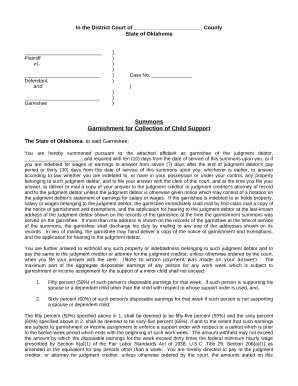
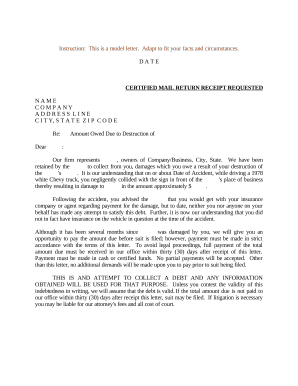
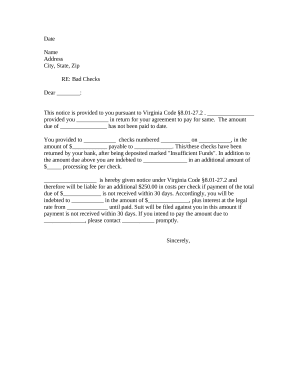
Document administration can overpower you when you can’t find all the documents you require. Luckily, with DocHub's considerable form categories, you can discover all you need and easily take care of it without switching among apps. Get our Collections Forms and start utilizing them.
The best way to manage our Collections Forms using these simple steps:
- Check Collections Forms and choose the form you require.
- Review the template and click Get Form.
- Wait for it to open in the online editor.
- Adjust your form: add new information and pictures, and fillable fields or blackout certain parts if needed.
- Fill out your form, conserve alterations, and prepare it for sending.
- When you are ready, download your form or share it with other contributors.
Try out DocHub and browse our Collections Forms category with ease. Get your free account today!
Video Guide on Collections Forms management

Commonly Asked Questions about Collections Forms
What information is needed to go to collections?
A good collection agency can conduct research based on an old address or old phone number. Supporting documents, such as a signed contract, invoice, or other paperwork, can be very helpful. A debt collector will be more confident if they have documentation to back up the claim.
What should you not say to a collection agency?
You never want to give the debt collector personal information about your finances and assets, such as your Social Security number, your bank account number unless making a payment, your income, or the value of your assets.
What information does a debt collector have to provide?
Within five days after a debt collector first contacts you, it must send you a written notice, called a validation notice, that tells you (1) the amount it thinks you owe, (2) the name of the creditor, and (3) how to dispute the debt in writing.
What is the 7 in 7 rule for collections?
The 7-in-7 rule: Reg F stipulates that there may be no more than seven (7) calls made by a debt collector to a consumer in a span of seven (7) days. 7-in-7 rule explained in more detail here.
What is the minimum to go to collections?
Debt collection agencies are often asked if theres a minimum invoice value that makes chasing a debtor worthwhile. The answer is generally no, so its really up to you whether you want to take things further when the amount involved is small.
How do companies send you to collections?
The first step in collections is usually sending a letter demanding payment. If the debtor does not respond or pay, the creditor can hire a collection agency or take the debtor to court. In most cases, the creditor will win if the case goes to court and the debtor pays the debt plus interest and fees.
How do I send someones debt to collections?
Here are crucial steps to follow in the debt collection process. Step 1: Contact the Debtor. Step 2: Send a Demand Letter. Step 3: Consider Negotiation. Step 4: Hire a Collection Agency. Step 5: Provide Documentation. Step 6: Monitor Progress. Step 7: Consider Legal Action.
What is a collection in forms?
As a way to manage and organize your forms and quizzes, you can create customized collections and group forms and quizzes together as they makes sense to you. You can also copy, rename, and delete collections.