
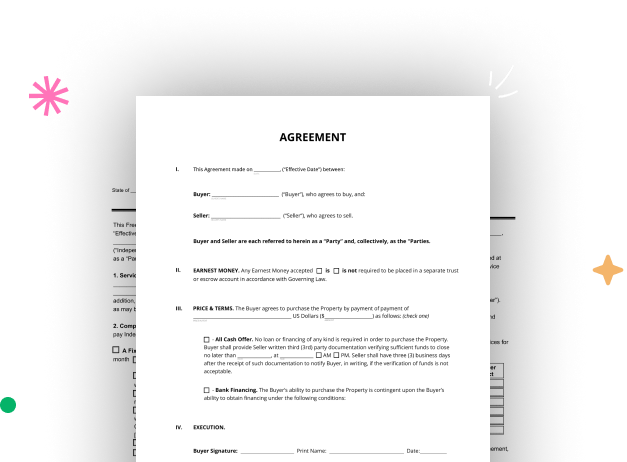
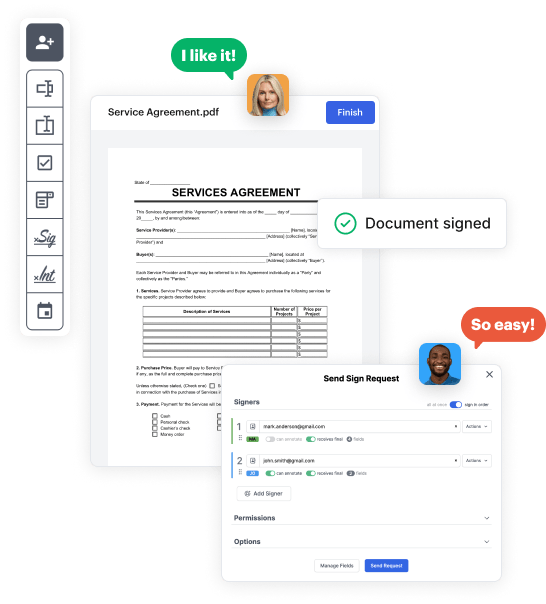
Create your Business Legal Form from scratch

Start Building Now
Title decoration

Here's how it works

01. Start with a blank Business Legal Form
Open the blank document in the editor, set the document view, and add extra pages if applicable.
02. Add and configure fillable fields
Use the top toolbar to insert fields like text and signature boxes, radio buttons, checkboxes, and more. Assign users to fields.
03. Distribute your form
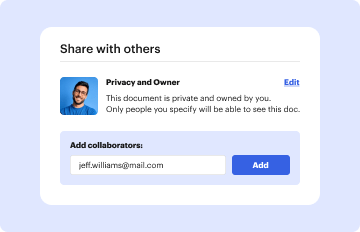
Share your Business Legal Form in seconds via email or a link. You can also download it, export it, or print it out.

A quick tutorial on how to set up a polished Business Legal Form

Form edit decoration

Step 1: Log in to DocHub to begin creating your Business Legal Form.

First, sign in to your DocHub account. If you don't have one, you can easily sign up for free.

Step 2: Navigate to the dashboard.

Once you’re in, go to your dashboard. This is your main hub for all document-related tasks.

Step 3: Kick off new document creation.

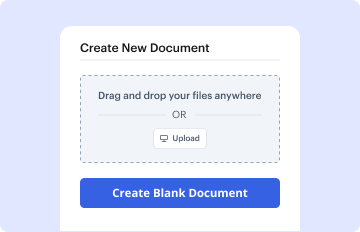
In your dashboard, select New Document in the upper left corner. Select Create Blank Document to create the Business Legal Form from the ground up.

Step 4: Incorporate form fillable areas.

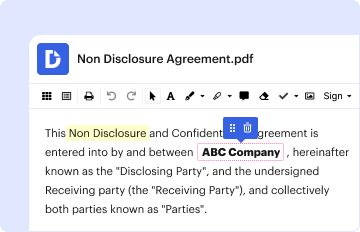
Add numerous fields like text boxes, images, signature fields, and other fields to your form and designate these fields to intended individuals as needed.

Step 5: Fine-tune your document.

Refine your form by incorporating guidelines or any other vital information leveraging the text tool.

Step 6: Review and modify the form.

Thoroughly go over your created Business Legal Form for any errors or needed adjustments. Leverage DocHub's editing features to polish your document.

Step 7: Send out or export the document.

After completing, save your file. You may choose to keep it within DocHub, transfer it to various storage solutions, or forward it via a link or email.


be ready to get more

Build your Business Legal Form in minutes

Start creating now

Got questions?

We have answers to the most popular questions from our customers. If you can't find an answer to your question, please contact us.
Contact us
Create the Business Rule In Studio, click the Create Application File link. In the Filter field, enter the text Business OR select Server Development in the categories pane. Select Business Rule in the middle pane as the file type, then select the Create button.
Writing a business regulation Describe the goals of the rule: Clearly outline the objective of the rule and what its supposed to accomplish. The use of direct language is useful here. Give examples: Offer real-world examples of the rule in action to show how it works in practice.
Sole proprietorships can be a good choice for low-risk businesses and owners who want to test their business idea before forming a more formal business.
Business rule structure. Business rules are made up of three types of component: Checks are small, re-usable pieces of logic. They have a user-defined name, a type of check to be performed, and zero to several options whose meaning varies depending on the type.
Sole Proprietorship: Best for Cost. General Partnership: Best for New Partners. Limited Liability Company (LLC): Best for Liability Structure. Limited Liability Partnership (LLP): Best for Professional Businesses. C-Corporation: Best for Outside Investment Opportunities.
be ready to get more

Build your Business Legal Form in minutes

Start creating now

Related Q&A to Business Legal Form

As is the case in most common law jurisdictions, a person or entity wishing to operate a business in Canada can choose from several different business structures. There are three basic business structures available in Canada: sole proprietorship, partnership and corporation.
To successfully start an LLC in Canada, you need to fulfil specific requirements, such as: A Canadian business address. Compliance with provincial and federal regulations. An understanding of tax obligations and potential benefits. Legal documentation, including Articles of Incorporation.
Another business rule example is to dynamically route approvals to the right manager. For example, if Joe submits a time off request form, it should route the form to his manager and not to just any manager.
To document business rules and constraints, you must organize the structure of the document, specify the attributes, and include the details. You can use standards, templates, or frameworks such as IEEE 830, BABOK, or Volere to guide the structure.

Additional resources on building your forms