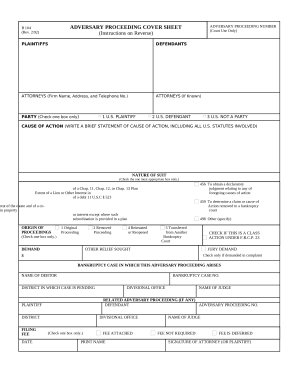
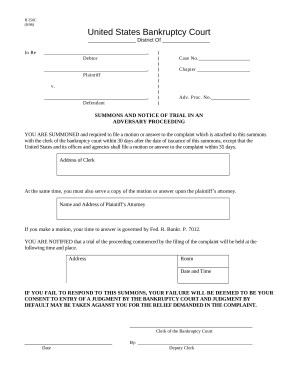
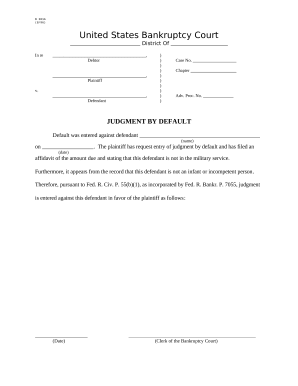
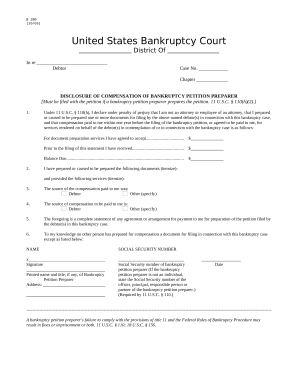

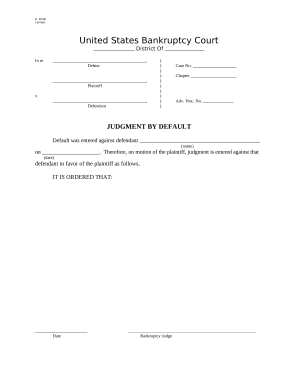
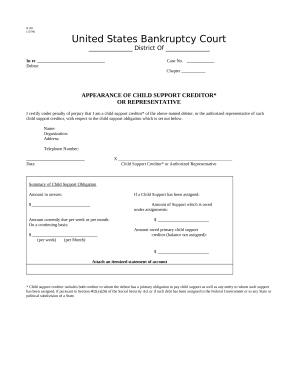
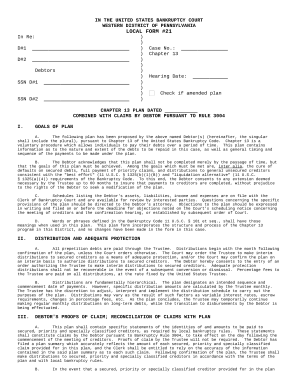
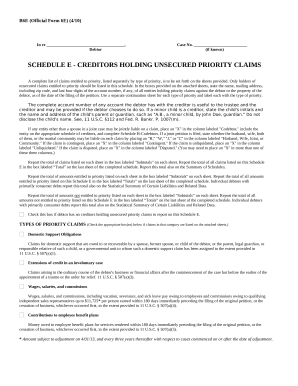
Improve your form administration with Bankruptcy Forms

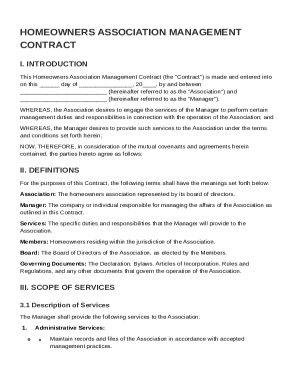
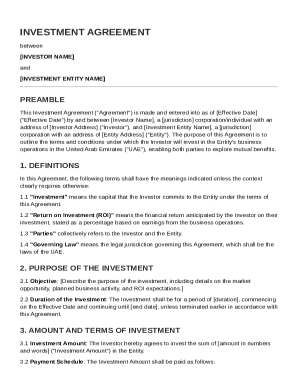
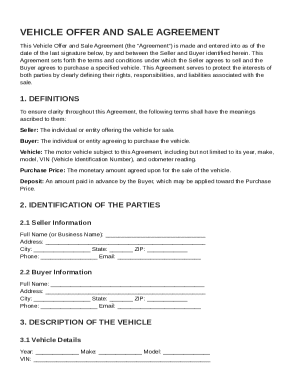
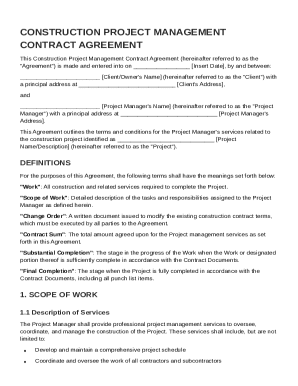
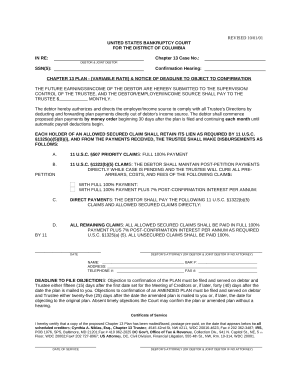
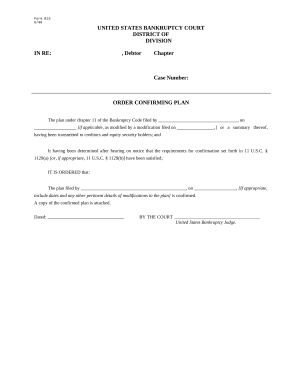
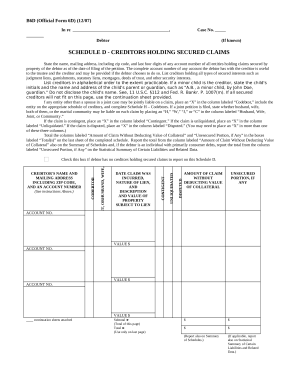
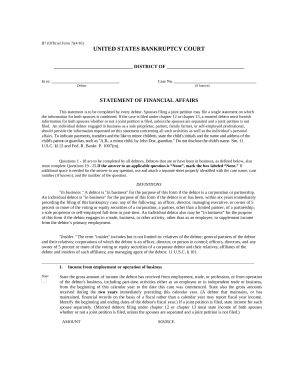
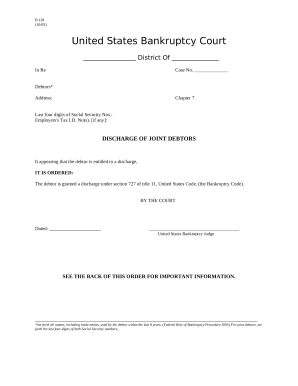
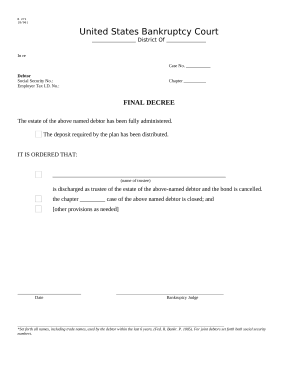
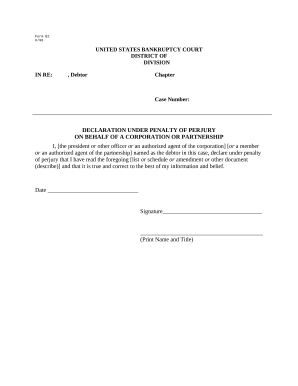
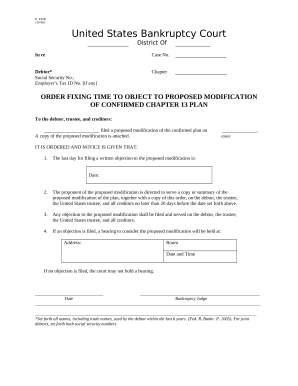
Your workflows always benefit when you can easily find all of the forms and files you may need on hand. DocHub provides a huge selection of document templates to alleviate your day-to-day pains. Get a hold of Bankruptcy Forms category and easily discover your document.

Begin working with Bankruptcy Forms in a few clicks:

  1. Gain access to Bankruptcy Forms and get the form you need.
  2. Click on Get Form to open it in our editor.
  3. Begin modifying your document: add more fillable fields, highlight sentences, or blackout sensitive facts.
  4. The application saves your modifications automatically, and once you are all set, you are able to download or distribute your form with other contributors.

Enjoy effortless document managing with DocHub. Check out our Bankruptcy Forms online library and locate your form right now!


Commonly Asked Questions about Bankruptcy Forms

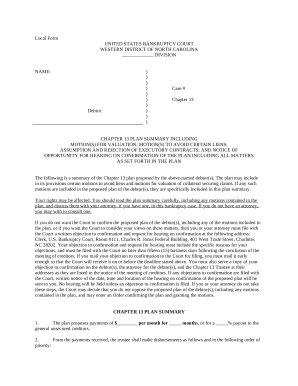
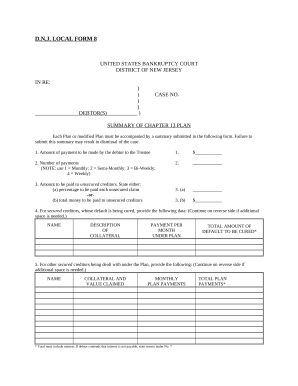
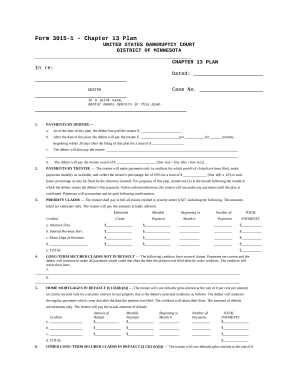
The most common types of bankruptcy are chapter 7, which are liquidating bankruptcy, and chapter 13 cases, often used by individuals who want to catch up on past due mortgage or car loan payments and keep their assets.
Bankruptcy Basics Process. The Discharge in Bankruptcy. Chapter 7. Liquidation Under the Bankruptcy Code. Chapter 9. Municipality Bankruptcy. Chapter 11. Reorganization Under the Bankruptcy Code. Chapter 12. Family Farmer Bankruptcy or Family Fisherman Bankruptcy. Chapter 13. Individual Debt Adjustment. Chapter 15. Bankruptcy Basics | United States Courts uscourts.gov services-forms bankruptcy- uscourts.gov services-forms bankruptcy-
Chapter 11 can be done by almost any individual or business, with no specific debt-level limits and no required income. Chapter 13 is reserved for individuals with stable incomes, while also having specific debt limits.
Three Types of Bankruptcy. There are three types of bankruptcy, personal, small business and corporate. But despite being designated as their own type, personal and small business bankruptcies are essentially the same thing.
Or somewhat more accurately, Chapter 13 can give you more power over and flexibility with certain kinds of creditors, and if you have non-exempt assets. However, if you do not have those kinds of debt or assets, or not much in terms of tangible assets, then Chapter 7 would likely be the faster and easier option.
Background. A case filed under chapter 11 of the United States Bankruptcy Code is frequently referred to as a reorganization bankruptcy. Usually, the debtor remains in possession, has the powers and duties of a trustee, may continue to operate its business, and may, with court approval, borrow new money.
Though there are a million possible reasons why people might file bankruptcy, the following contributing factors are commonly cited. Loss of Income. Medical Expenses. Unaffordable Mortgage. Student Loans. Overwhelming Debt. Helping Friends or Relatives. Divorce.