01. Edit your case number 2013r01804 and court docket number 17 cr 00183 online
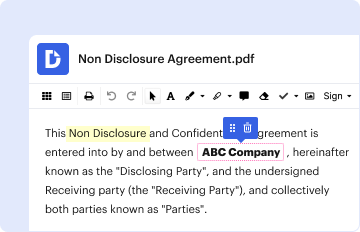
Type text, add images, blackout confidential details, add comments, highlights and more.
02. Sign it in a few clicks
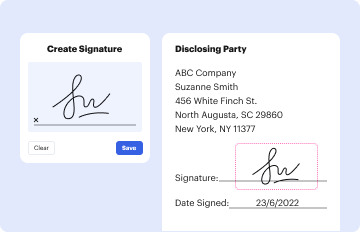
Draw your signature, type it, upload its image, or use your mobile device as a signature pad.
03. Share your form with others
Send it via email, link, or fax. You can also download it, export it or print it out.
How to use or fill out North Carolina Chapter 13 with our platform
Ease of Setup
DocHub User Ratings on G2
Ease of Use
DocHub User Ratings on G2
Click ‘Get Form’ to open the North Carolina Chapter 13 document in the editor.
Begin by entering the debtor's Social Security number and any other names used by the debtor within the past six years in the designated fields.
Fill in the amounts owed for taxes, secured debts, and unsecured debts. Ensure accuracy as these figures are crucial for your proposed plan.
Input the monthly take-home pay for both male and female debtors. This information helps establish your repayment capability.
Specify the amount you propose to pay to the Trustee each month for a period of 36 months. Be prepared to adjust this amount if required by the Court.
Review sections regarding priority and secured claims, ensuring that all necessary documentation is attached, such as security agreements and financing statements.
Finally, ensure that you have included your attorney's information at the bottom of the form before saving or exporting your completed document.
Start using our platform today to streamline your Chapter 13 filing process for free!
Fill out north carolina chapter 13 online It's free
Chapter 13 ruined my lifeChapter 13 vs Chapter 11How to file Chapter 13 with no moneyChapter 13 payment plan exampleHow does Chapter 13 affect your creditChapter 13 tips and tricksChapter 13 TrusteeChapter 13 Trustee login
Security and compliance
At DocHub, your data security is our priority. We follow HIPAA, SOC2, GDPR, and other standards, so you can work on your documents with confidence.
Chapter 13 of the Bankruptcy Code provides for adjustment of debts of an individual with regular income. Chapter 13 allows a debtor to keep property and payRead more
North Carolina produces a disproportionately large amount of carbon dioxide, in large part because of the states numerous coal plants, and ranks 14th in theRead more
Dec 13, 2005 In a chapter 13 case, the bankruptcy estate includes wages, income, and property that the debtor receives after he or she files for bankruptcy.Read more
Cookie consent notice
This site uses cookies to enhance site navigation and personalize your experience.
By using this site you agree to our use of cookies as described in our Privacy Notice.
You can modify your selections by visiting our Cookie and Advertising Notice.