




01. Edit your additional amount withheld online
Type text, add images, blackout confidential details, add comments, highlights and more.

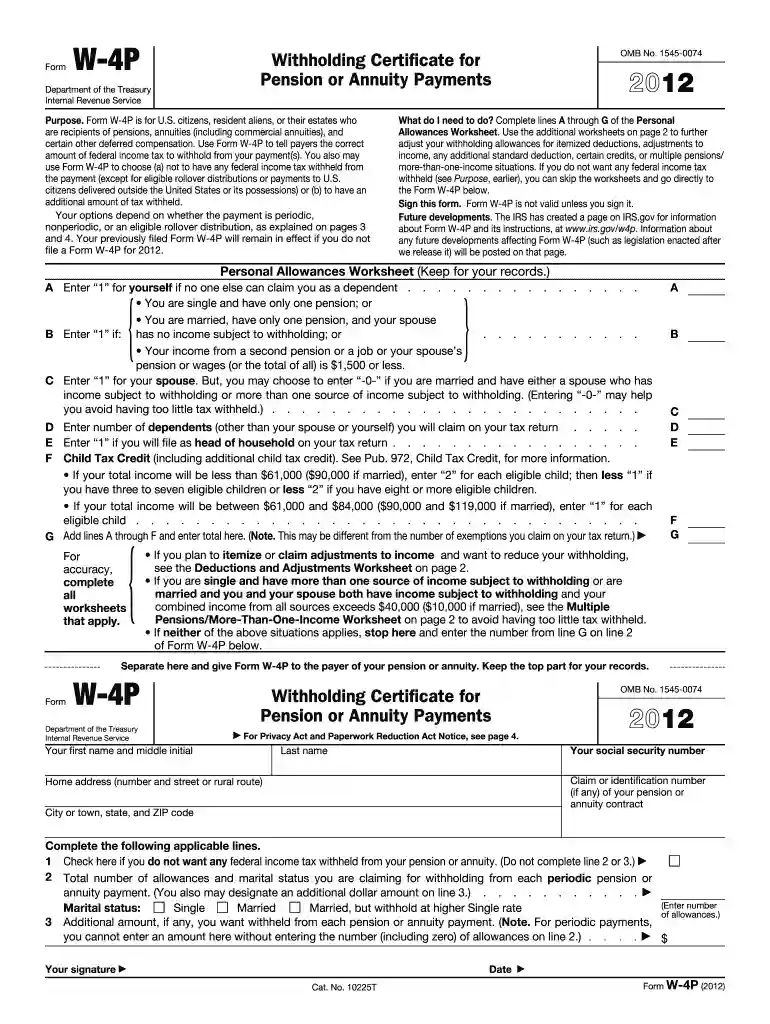
Type text, add images, blackout confidential details, add comments, highlights and more.

Draw your signature, type it, upload its image, or use your mobile device as a signature pad.

Send it via email, link, or fax. You can also download it, export it or print it out.
The "additional amount of tax withheld" refers to the optional extra amount taxpayers can choose to have withheld from their paychecks in addition to the standard withholding calculated through tax forms like the W-4. This option can be particularly useful for individuals who expect to owe more taxes than what would normally be withheld based on their regular income. By opting for an additional withholding, taxpayers can potentially avoid underpayment penalties.
People often confuse the additional withholding with estimated tax payments. While both aim to cover additional tax liabilities, estimated tax payments are made directly to the IRS, while the additional withholding is specifically deducted from a paycheck.
Completing the additional withholding involves adjustments on commonly used forms, such as the W-4, submitted to an employer.
Opting for an additional withholding can offer multiple benefits, including better cash flow management and avoidance of underpayment penalties. It helps in:
The IRS provides guidelines on how to adjust withholding based on personal circumstances. The IRS Withholding Calculator is a useful tool provided on their website to estimate the additional withholding needed.
While the federal guidelines form the basis of withholding, each state may have its own rules regarding additional withholding. Some states require separate state forms similar to the W-4 for additional state income tax withholding.
This tool is fully legal and supported by the IRS to help taxpayers meet their annual tax obligations more effectively. It ensures taxpayers can comply with tax laws by voluntarily adjusting their withholding to better reflect their tax burden.
These examples highlight the flexible nature of additional withholding and its strategic use for various financial scenarios.
We've got more versions of the additional amount withheld form. Select the right additional amount withheld version from the list and start editing it straight away!
| Versions | Form popularity | Fillable & printable |
|---|---|---|
| 2024 | 4.4 Satisfied (52 Votes) | |
| 2023 | 4.8 Satisfied (46 Votes) | |
| 2022 | 4.7 Satisfied (40 Votes) | |
| 2021 | 4.8 Satisfied (136 Votes) | |
| 2020 | 4.3 Satisfied (128 Votes) | |
| 2019 | 4 Satisfied (49 Votes) | |
| 2018 | 4.3 Satisfied (103 Votes) | |
| 2017 | 4.4 Satisfied (1175 Votes) | |
| 2016 | 4.2 Satisfied (57 Votes) | |
| 2015 | 3.9 Satisfied (35 Votes) | |
| 2014 | 4 Satisfied (55 Votes) | |
| 2013 | 4 Satisfied (36 Votes) | |
| 2012 | 4.3 Satisfied (59 Votes) |
At DocHub, your data security is our priority. We follow HIPAA, SOC2, GDPR, and other standards, so you can work on your documents with confidence.
The IRS cannot accept a single check (including a cashiers check) for amounts of. $100,000,000 ($100 million) or more. If youre sending $100 million or moreRead more
In determining the withholding allowance or additional reductions in withholding under section 3402(m) on employee withholding allowance certificates furnishedRead more
Additional withholding: An employee can request an additional amount to be withheld from each paycheck. Note: Employees must specify a filing status and theirRead more


