How does Schedule C affect my taxes?
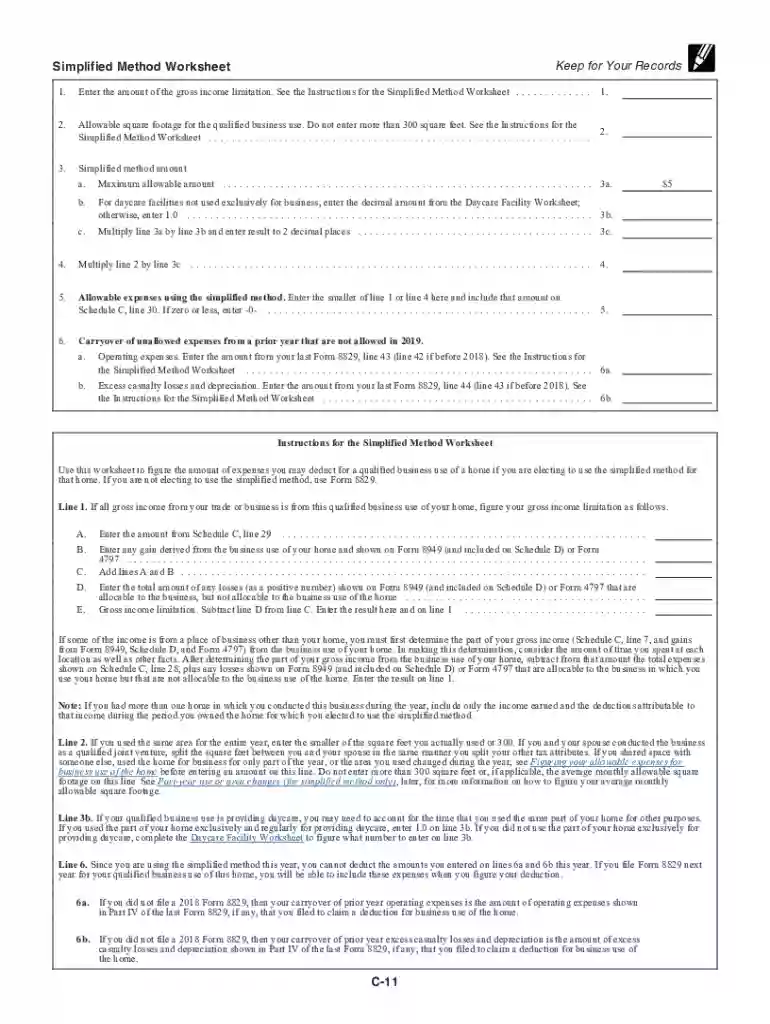
Schedule C calculates your businesss net profit or loss, which gets added to your personal Form 1040, making that profit subject to regular income tax and a separate 15.3% Self-Employment Tax (Social Security Medicare) via Schedule SE, requiring you to pay quarterly estimated taxes to cover these combined federal and state taxes. By deducting ordinary and necessary business expenses (like mileage, supplies, rent), you reduce your taxable profit, lowering your overall tax bill. How Schedule C Affects Your Taxes Calculates Net Profit: It details your businesss gross income minus deductible expenses (e.g., vehicle costs, advertising, supplies) to find your net profit. Determines Income Tax: This net profit flows to your personal Form 1040, increasing your adjusted gross income (AGI) and thus your federal income tax liability. Triggers Self-Employment Tax: The net earnings also trigger the 15.3% self-employment tax (for Social Security Medicare) on Schedule SE, which you pay on top of income tax. Reduces Taxable Income: Deducting business expenses (like standard mileage or actual car expenses) lowers your net profit, directly reducing the income subject to both income tax and self-employment tax. Requires Estimated Payments: Because you dont have an employer withholding taxes, you must make quarterly estimated tax payments to cover your income and self-employment taxes throughout the year to avoid penalties. Key Takeaway Schedule C effectively turns your business profit into taxable personal income, but it also gives you the power to lower that taxable amount DocHubly through legitimate business deductions, all while adding the DocHub self-employment tax burden. For financial advice, consult a professional. What Is a Schedule C IRS form? - TurboTax Tax Tips Videos - IntuitFeb 24, 2026 Key Takeaways. Schedule C is used to report income and expenses from a business you own as a sole proprietor or singleTurboTaxWhat expenses can I list on my Schedule C? - TaxSlayer SupportYou can think of Schedule C expenses as Schedule C deductions. For example, if you report $10,000 worth of income on your ScheduleTaxSlayer
What triggers a schedule C audit?
The most common triggers for a Schedule C audit are: Failing to report all of your self-employment income. Claiming incorrect tax deductions (deducting personal expenses as business expenses) Failing to report capital gains when you sell business property.Nov 11, 2024
What are the rules for Schedule C?
Schedule C rules govern how U.S. sole proprietors and single-member LLCs report business income and expenses on their Form 1040, requiring documentation for ordinary and necessary deductions (like supplies, vehicle costs, home office) against gross receipts, with the resulting profit/loss transferred to Form 1040 and Schedule SE for self-employment taxes. Key requirements include operating for profit, maintaining continuity, detailed record-keeping (receipts, logs), and accurate reporting of 1099 income. Who Files Schedule C? Sole Proprietors Single-Member LLCs: Anyone running a business or practicing a profession independently. Gig Economy Workers: Independent contractors earning income via platforms (Uber, DoorDash) or receiving 1099 forms (1099-NEC, 1099-K). Core Requirements Rules Profit Motive: The activity must be for income/profit, not a hobby or sporadic effort, say IRS guidelines. Ordinary Necessary Expenses: Only deduct expenses that are common and helpful for your specific business. Documentation: Keep detailed records (receipts, invoices, mileage logs) for all claimed deductions. Business vs. Personal: Clearly separate business activities from personal ones, especially for vehicles and home offices. What to Report Part I (Income): Gross receipts, 1099 income, barter income, etc. Part II (Expenses): Advertising, supplies, vehicle expenses, wages, home office, etc. Part III (Cost of Goods Sold): If you sell products, report inventory costs and production expenses. After Schedule C Net Profit/Loss: Calculated on Schedule C and flows to Form 1040, Line 8(a) of Schedule 1. Schedule SE: Calculate Social Security and Medicare taxes on your net earnings. Key Takeaway File Schedule C with Form 1040 to report your businesss financial performance, claim deductible expenses, and calculate your self-employment tax obligations, using thorough records to support everything. For financial advice, consult a professional. Instructions for Schedule C (Form 1040) (2025) - IRS.govAn activity qualifies as a business if your primary purpose for engaging in the activity is for income or profit and you are involIRS (.gov)About Schedule C (Form 1040), Profit or Loss from Business (Sole Use Schedule C (Form 1040) to report income or loss from a business you operated or a profession you practiced as a sole proprietoIRS (.gov)