







Definition & Meaning
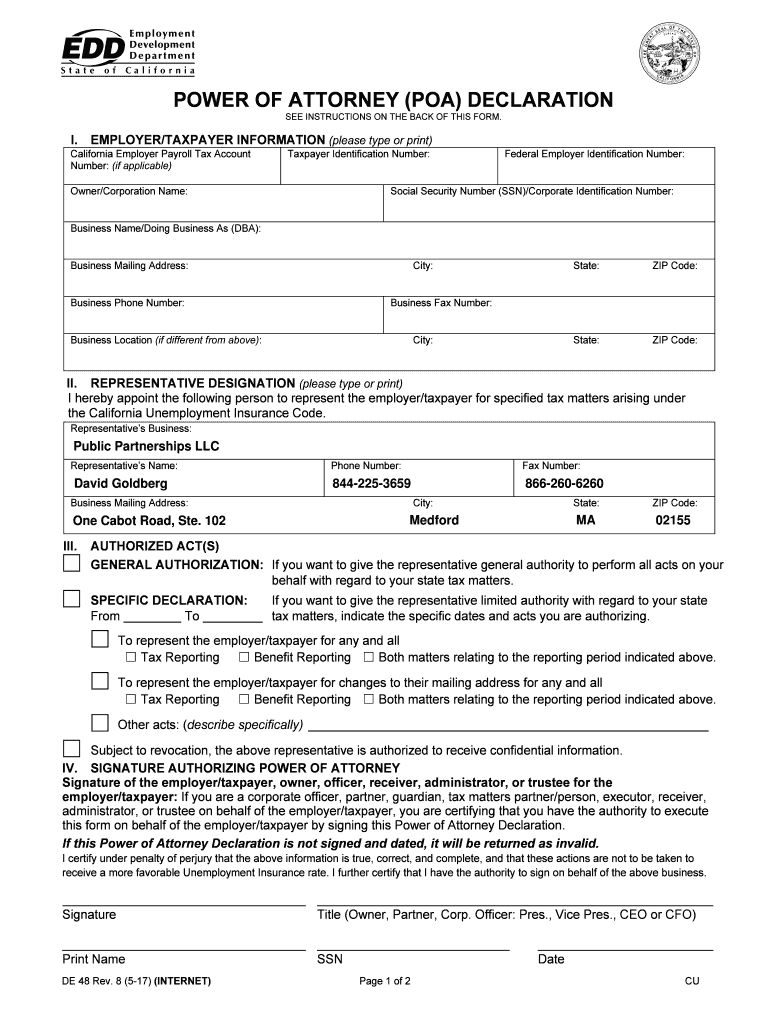
The term "Owner Corporation Name" primarily refers to the official designation or title used for a corporation that owns property or engages in business activities. This name is integral to the corporation's identity and must be registered with relevant state authorities. It serves several legal and operational purposes, representing the corporation in contractual agreements, legal documents, and various business transactions. The establishment of the Owner Corporation Name is typically one of the initial steps in the formation process of a corporate entity.
Key Characteristics of Owner Corporation Name
- Legality: The name is used in a legal context to represent the corporation in all official matters.
- Uniqueness: Each Owner Corporation Name must be unique within the state or jurisdiction, ensuring no other entity operates under the same name.
- Registration: Official registration with the state's business or corporate registry is required to legitimize the name.
Practical Considerations
- If the name infringes on another registered corporation's name or trademark, it must be altered to avoid legal challenges.
- The name should align with the corporation's branding and market identity for consistency and recognition in its industry.
How to Use the Owner Corporation Name
Corporations utilize their registered names in various administrative and operational aspects. The correct and consistent use of the Owner Corporation Name is essential for maintaining the corporation's legal standing and market presence.
Applications
- Contracts & Agreements: The name should appear on all formal business contracts and agreements to ensure legal accountability.
- Marketing & Branding: Corporations often use trademarks incorporating the Owner Corporation Name for branding purposes in advertising materials.
- Billing & Invoicing: All financial documents, including bills of sale and invoices, should display the corporation's registered name.
Guidelines for Use
- Always use the exact registered version of the name, avoiding informal abbreviations unless legally recognized.
- Update the corporation's legal name in public records if any modifications are made due to branding decisions or structural changes.
Steps to Complete the Owner Corporation Name
Choosing and registering an Owner Corporation Name involves several crucial steps. Following these carefully is essential to ensure compliance with state regulations.
- Name Selection: Conduct a thorough search to verify the availability of your desired corporation name within your state.
- Trademark Check: Ensure no trademarks conflict with your chosen name by searching the U.S. Patent and Trademark Office database.
- State Registration: Submit the required documents to the state's business registration office, typically part of the Secretary of State. This involves filing Articles of Incorporation or a similar foundational document.
- Fee Payment: Pay any associated registration fees, which vary by state, to finalize the registration process.
- Confirmation: Await official confirmation and a certificate from the state, which typically indicates successful registration.
Additional Tips
- Consider consulting with a legal professional to navigate complex regulations and ensure all steps comply with state law.
- Monitor the registration status and renew it as necessary to maintain active status.
Key Elements of the Owner Corporation Name
Several critical elements must be adhered to when establishing an Owner Corporation Name. These ensure legal validity and operational efficiency.
Name Components
- Entity Identifier: Typically, the name must include an indicator such as Corp, Inc, or Ltd, denoting its corporate structure.
- Distinctiveness: The name must be distinct from other entities within the jurisdiction.
- Descriptiveness: Ideally, the name should convey the nature of the business, although this is not legally mandatory.
Variations & Exceptions
- Certain states may allow abbreviations or alternative entity identifiers, such as Co. or LLC, depending on the business structure.
- In special cases, corporations can apply for exemptions to use a fictitious or "doing business as" (DBA) name under specific circumstances.
Legal Use of the Owner Corporation Name
The legal use of an Owner Corporation Name is a critical component of corporate compliance and governance. Proper use ensures that the corporation operates within legal boundaries and upholds its obligations.
Compliance Requirements
- Use the Owner Corporation Name consistently across all documentation to prevent legal challenges and maintain transparency with stakeholders.
- Ensure all filings with regulatory bodies, such as tax returns and employment documents, reflect the corporation's legal name.
Enforcement & Protection
- Protect the Owner Corporation Name through trademark registration to prevent unauthorized use by third parties.
- Be prepared to enforce your rights in court if another entity infringes on your name, which might involve pursuing legal action.
State-Specific Rules for the Owner Corporation Name
Regulations concerning the use and registration of an Owner Corporation Name can vary significantly by state. Understanding these differences is crucial for maintaining compliance.
Areas of Variation
- Naming Restrictions: States often have specific rules regarding what words can or cannot be included in a corporation's name (e.g., restricted use of terms like "bank" or "insurance" without proper authorization).
- Renewal Processes: The frequency and process for renewing the registration of a corporation's name can differ, requiring awareness of each state's procedures.
Example States
- California: Requires an exact match of the corporation name in records and documents. Short timelines exist for the initial reservation of a name before filing incorporation documents.
- Texas: Offers pathways for expedited processing of name applications but restricts certain terms unless approved by a relevant authority.
Examples of Using the Owner Corporation Name
Real-world examples illustrate how corporations effectively use their registered names across various contexts to underscore the significance of a well-established Owner Corporation Name.
Business Scenarios
- E-commerce Company: A corporation registered as "Tech Innovations Inc." uses its full legal name for all transactions and digital communications with customers to establish authenticity and customer trust.
- Banking Entity: "Green Finance Corp." undergoes a renaming process to "Green Financial Services Corp." to better reflect an expanded range of service offerings, ensuring the change is registered and properly communicated.
Lessons Learned
- Brand consistency and legal compliance go hand-in-hand. Faulty name use can lead to diminished brand reputation and potential legal ramifications.
- Transitioning names requires clear communication strategies to inform stakeholders and update records across all platforms.
Who Typically Uses the Owner Corporation Name
The use of the Owner Corporation Name spans various stakeholders within and outside the organization, each relying on it for specific purposes.


Internal Use Cases
- Board Members & Executives: Use the corporation's name in strategic planning documents and financial analyses.
- Employees: Reference the corporation name in employment contracts and internal communications.
External Use Cases
- Suppliers & Vendors: Must recognize the corporation name in agreements and invoices for accuracy and payment processing.
- Clients & Customers: Identify the corporation through its legal name in transactions, contracts, and customer service interactions.
Importance in Multi-Stakeholder Environments
- Ensures clarity and uniformity amongst diversified operations by using the Owner Corporation Name as the unifying identifier across all business endeavors.




